From land to Sea

Having been born and bred near the sea and Lowestoft was once a major fishing port, it would be no surprise to anyone that in my family would be fishermen but you would have to go back a couple of generations.

But what was a surprise to me was that my great, great-grandfather was an agricultural labourer, on an estate in Mendham which in the 1800’s was 25% in Norfolk and 75% in Suffolk, now all in Suffolk, it would seem that he was at least the second generation of Agricultural workers as his Father was also working on that estate too, but in around 1880 he moved to Pakefield in Suffolk and his son (My great-grandfather) started work as a fisherman out of Lowestoft.

I had found the 1881 census and that he was on the vessel ‘Sensation’ April 3rd and he was aged 16, all were listed as Fishermen and were a crew of 9, three of which were married  and six unmarried, obviously none could spell and the  person doing the census wrote what he thought was the correct spelling as the boat was in Falmouth and all the crew were from Norfolk or Suffolk, so we had

Loddon, Norfock, Bumbrey Sufock, Mutfort Sufock, Pakbuilt Sufock, Gislingham Sufock, Whithall Sufock, Reydon Sufock and Helstrn Sufock.

Not a bad attempt obviously we know Norfolk and Suffolk, Loddon and Reydon are correct, we can guess Bungay, Gisleham and Pakefield, but is it Westhall and  Harleston (which is Norfolk) ?

The last of the family fishermen was my grandfather pictured below

Old photo of fishermen on boat

My Grandfather in white boots on Lowestoft Fishing Boat

I feel proud to have two generations of fishing in my family as well as generations that worked the land, roots firmly set in the East Anglian landscape.
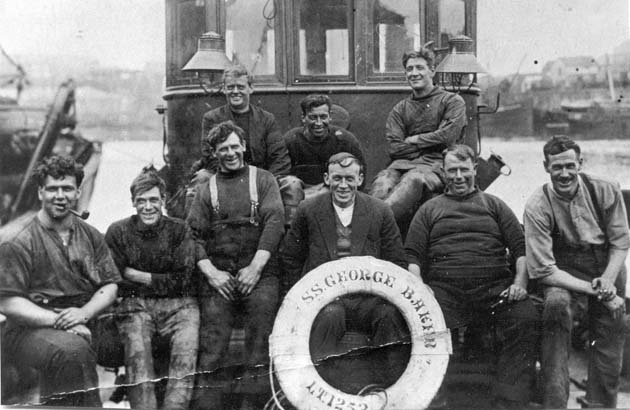
SS George Baker

Grandfather in White braces

At times it was a hard life at sea, but there were good times like above after a good catch, Grandfather died as a result of an accident at sea at the age of 48.

It was not only the elements that they faced as a danger as this extract from the Carlton Colville Chronicles shows, on this day in 1914 Canon Reginald Bignold wrote:

‘ November 30th During the month nine of our fishermen have been killed owing to their vessels having been blown up by mines. ‘

Something in the Garden at night

About two years ago I got myself a camera trap, triggered by movement it has an infrared beam that when broken will produce a still picture or can be set to video.

So far I managed to pick up Badger, fox, deer and rat when positioned in our small conservation area at work.

But the garden has produced quite different results, for example daylight has many images of collared dove, wood-pigeon, starling, house sparrow, border collie with ball and wife putting out washing all by daylight.

Night time has produced neighbourhood cats (around 6), mouse (maybe why we had so many cats) and best of all we discovered we had a hedgehog in the garden which was fantastic and these mammals are now in decline, main cause is road deaths as it’s only predator is the badger here in the UK.

Part of their diet is slugs, snails and insects so they are known as the Gardener’s friend, so we were delighted when we captured not one but two on video one night.

East Anglian Landscape by foot

I often think the best way to see the best of any landscape is by foot, how many times have you visited somewhere new, parked your car in a car park to find most people do not walk very far perhaps, no more than 1km from their car usually referred to as the ‘Honeypot’ area as this is where you will find most ice cream vans and gift shops.

But Still East Anglia is blessed with many footpaths most are on people’s doorsteps and they may never had ever set foot on them, but these are always worth exploring it is where you find hidden gems, for example when I lived in Lowestoft I used to walk around the village of Somerleyton just outside Lowestoft, this is where I discovered Memorials to US airmen where their aircraft had crashed in WWII, one was interesting as they had been in a british aircraft, lots of tales were circulated at the time, one was that they had stolen the plane and it was shot down to stop them flying to Germany, years later after the official secrets act was lifted, it turned out they were training to use radar in a RAF mosquito, they had seen a ‘doodlebug’ (flying bomb) over the North sea, they gave chase to try to shoot it down, the rule was if you had not shot it down within a mile of the coast you were to abort, unfortunately they carried on and were hit by the ack ack guns stationed at Hopton-on-sea who were also trying to hit the ‘doodlebug’.

I wonder how many people have never seen that memorial and that of another to a flying fortress crew that had also crashed near the church on the Somerleyton estate.

five barred gate on green path

Gate on the footpath to Little Thetford from Ely.

There are lots of wildlife, history and fantastic views too be found  by foot and there are websites like Adventures Close to Home that will inspire you to get out there and discover those gems.

Sometimes Wildlife can be right under your nose

Nan birdwatching with seagull behind him

You can wait for hours and not see anything

Wildlife watching can be fun, be it bird or animal, sometimes you can wait for hours and see nothing, sometimes you are lucky and see things you did not expect.

When I lived in Lowestoft we would quite often get rare birds fly in from the sea, once I saw a Woodchat Shrike and a Rose coloured starling in 2 minutes only about 800 metres apart and this was only  after I overheard a man in shop say,  ” there are a lot of Twitchers down at the Bird’s Eye factory looking at a pink bird “.

I have heard stories of a Puffin on the river Ouse in Cambridgeshire, and a pod of Porpoises that swim up the river Nene as far as Wisbech on a regular basis ( I have seen the photographs ), more a surprise perhaps would be in the 1800’s when Whittlesea mere in Cambridgeshire was drained  the skull of a wolf and skeleton of a killer whale were found.

So As I always say it is worth keeping you eyes and ears open as you never know what will turn up.

The early bird song of the morning

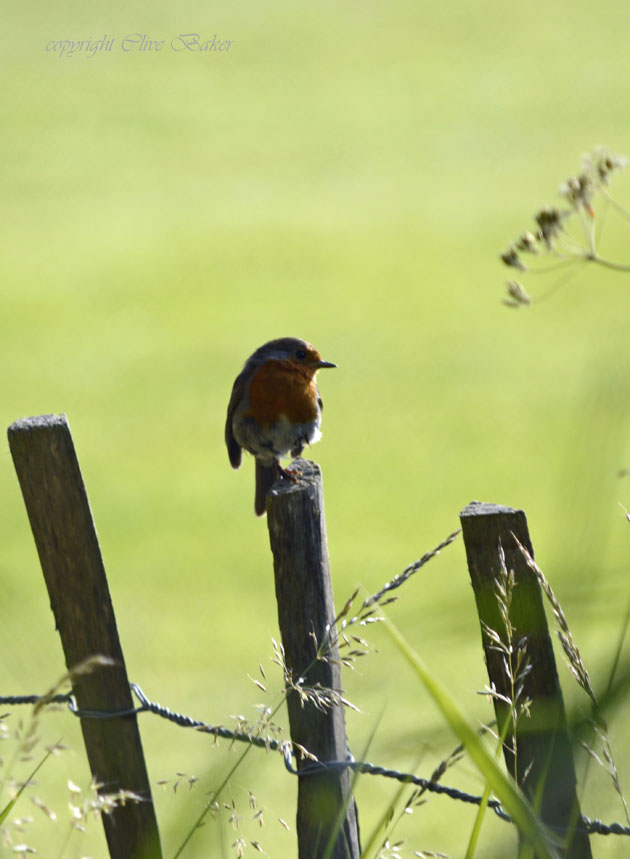
I have noticed these last few morning more Robins singing, this is usually around 5:00 am when I am walking the dog before I go to work.

In one area of about 100 metres I heard at least five singing, this is usually birds declaring their winter territory as the UK population is increased by birds from mainland Europe that have migrated here to spend the winter.

The song in the Autumn is different from that sung in Spring when the males are attracting a mate, The Autumn song is more subdued and can often be heard late at night ( I once heard one at 1:00 am on new years day, my first bird spot of the year ), the spring song which can start as early as  late December is more powerful and lively.

Robin on post

Robin singing in Spring

At this time of Year the robins usually sing under street lamps, could it be they think this is the rising Sun?, research has shown that if it is a very cold night the robins will only sing if the have enough energy as they use most of their energy keeping warm, the robin can store fat for energy so if it has been a warm night they will have enough energy left to sing.

Gardeners may have noticed as they dig ground over in the Autumn and Winter they may have a robin at their feet, getting any worms exposed by the digging, this behaviour is linked to when the robin (which is a woodland bird) would follow wild boar and pigs as theY foraged in the leaf litter of the woodland floor.

East Anglian Skies

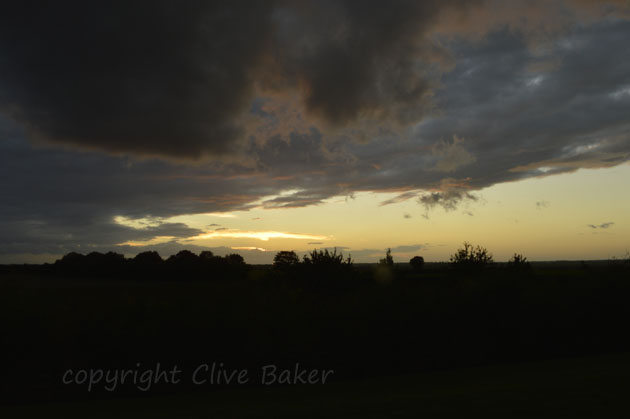
Dark clouds gathering

Fenland Sky

On of the things I like about living in East Anglia apart from the Wildlife and Landscape is the ‘Big’ skies, at this time of the year the we do seem to get some dramatic Sunsets.

Clouds turning Orange

The setting Sun in the East Anglian Landscape

All too quick the sky can change from moody to dramatic and some are there for a short while almost too much for words.

Two people against a setting sun

East Anglian sky that no words can describe


The Common Hare?

The Brown Hare (Also known as the Common Hare) is very much an animal of the East Anglian countryside preferring the agricultural landscape, living out in the open from the moment they are born.

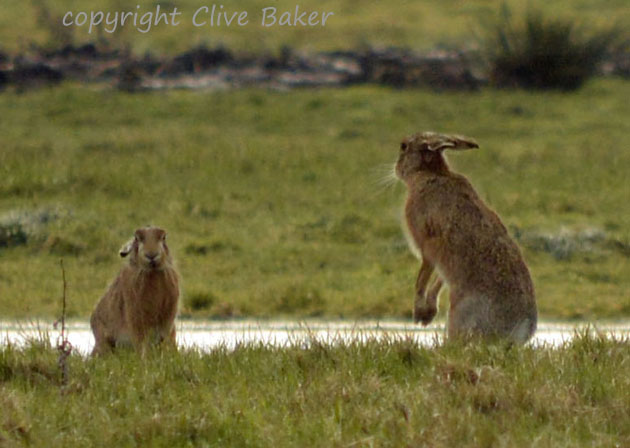
Everyone knows the saying ‘as mad as a March hare’ the month when the hares courting instincts are much in evidence, but the female or ‘doe’ is pretty much ready to mate from January which they do through to September, mostof the time the boxing you see in March is not always two males or ‘jacks’ fighting but most likely than not a doe fighting off the advances of a jack.

Two hares facing each other

Two hares face off

The young (leverets) are born covered completely in fur and fully mobile, unlike rabbits that are born, blind and naked in a burrow.

The Doe gives birth to the young in a group and then moves them one by one to a shallow depression or ‘form’ so they are split up, maybe to increase their chances of survival from predators such as foxes, stoats and now increasingly in East Anglia Buzzards.

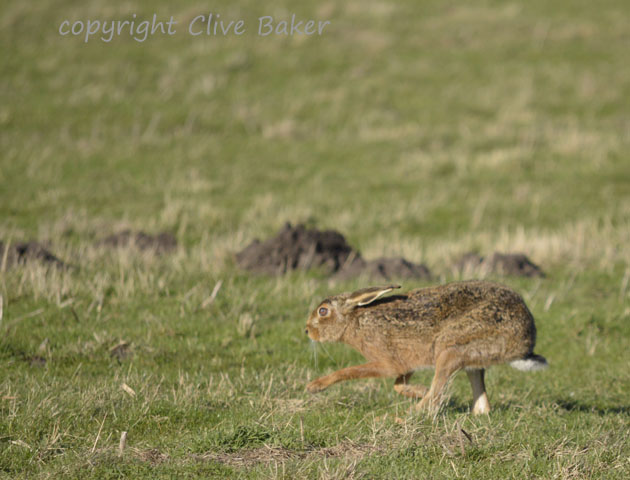
Hares will keep low on the ground keeping their long ears down low over their backs and will use their great speed to run away at the last moment.

Hare about to run away

A disturbed hare taking flight

Because of its antics the hare has  is steeped in folklore, with tales of witches turning themselves in to a hare to run away, and beliefs in parts of the country that a hare changing sex every month, even today we use expressions like ‘hare brained’ and ‘hopping mad’ so it is no surprise the name hare comes from the Anglo-Saxon word ‘hara’ which is to ‘jump’.

Dull Day with Nature’s colours

So today has been dull and overcast and the feeling of rain never far away, but nature has a way of brightening up even the dullest of days.

What leaves that are still hanging on the trees and differing shades of Yellow, Orange and Red.

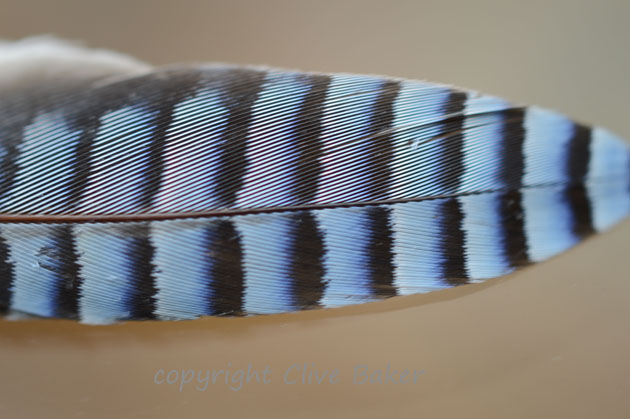
And on closer inspection of birds feathers the patterns and colours are amazing, from the Blue on a Jay’s Wing

Blue patterned feather of a Jay

the wing feather of a Jay

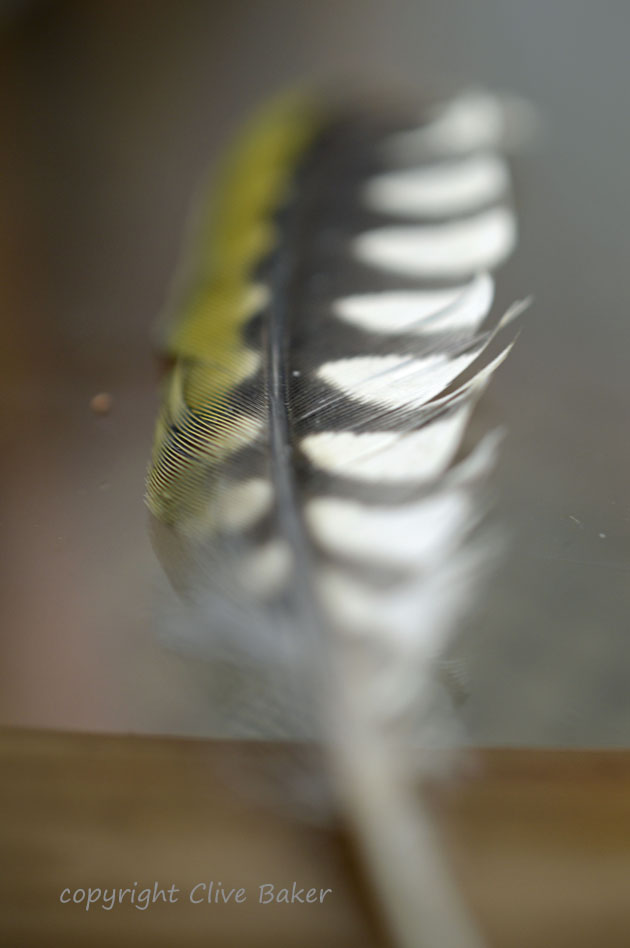
Or that from a Green Woodpecker

Green, Black and white feather

Green Woodpecker feather

Or as what happened to me today at WWT Welney when a child ran up to me to say she could see a Water Vole and wanted me to see it and sure enough she was right, so seeing that Water Vole was brightened up her day and may other people who saw it.

How to clear the Bird feeders

Day off today after I had been to see a certain Mr Robert Plant of Led Zeppelin fame last night, so up slight ly later this morning.

On looking out of the window into the garden I could see the feeders were full of House Sparrows, and one or two Dunnocks on the ground, we seem to be lucky here as I know there are parts of the country where there are few or no House Sparrows at all.

Sparrow in berries

Male House Sparrow

Even more scarce is the Tree Sparrow, easily identified by red-brown cap as opposed to the grey cap of the House Sparrow, and the white cheek with a square black patch.

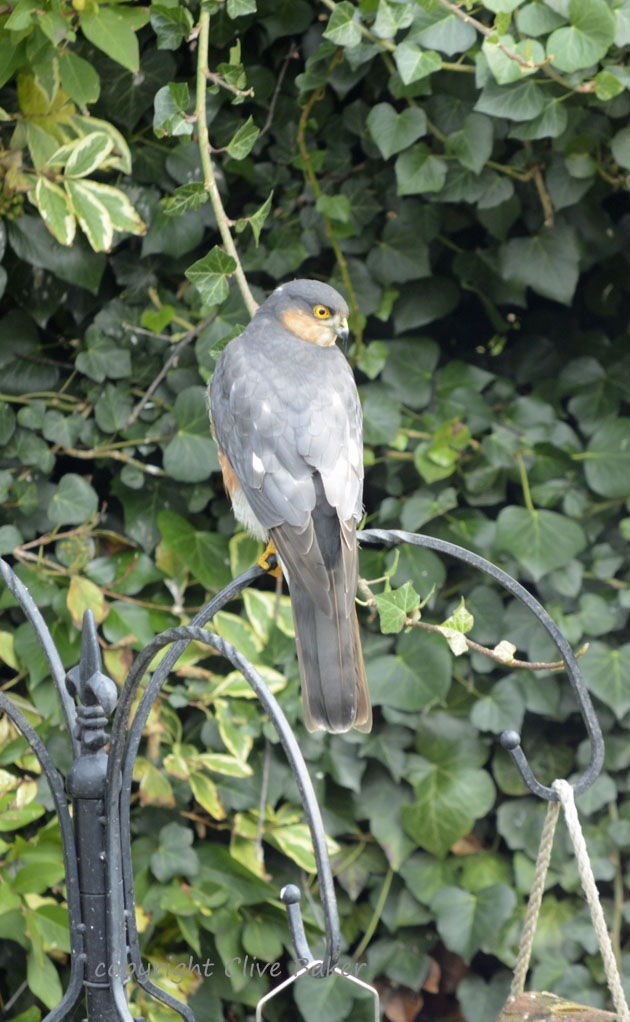
I was just thinking of topping up the feeders and noticed they were not any birds on them so good time to go out and do it, only to notice there was a female Sparrow Hawk on the fence, I grabbed my camera on to have it fly off, so put my camera down and went upstairs only to see she was back sitting on the feeders, ran back down to get my camera and again she flew off. I managed to get a few shots of her last year but now she seems to be wise to me and the camera, so I shall use an image from February and fingers crossed I may catch her with the camera again soon.

Sparrowhawk on feeders waiting for a meal.

Waiting for a meal

So here is an update, I managed to get a photo of the Sparrowhawk as it visited the garden for the third time and it turned out to be a Male,

Male Sparrowhawk, sitting on bird feeders

Male Sparrowhawk

Which brings me back to the image of the Sparrowhawk in the first picture, within our local group this caused a bit of a debate, is the Sparrowhawk which visited my garden in February a female? I was convinced it was a juvenile male but others were thinking it was a female, so is my garden being visited by both Male and female Sparrowhawks? or is the February Sparrowhawk a male that has now matured in to the handsome  bird that is now visiting my new bird feeders?

The days are getting shorter

Yes the days are getting shorter as it now seems to be dark when I leave for work and getting dark when I get home. so what better way than sharing some images from Summer.

Canal boats moored on the river.

Early June morning and canal boats on the Ouse

I love the East Anglian Landscape in at any time of the year, but late Spring and early Summer is my favourite time, with the fields golden with crops and the flowers out in bloom makes early morning walks along the river special.

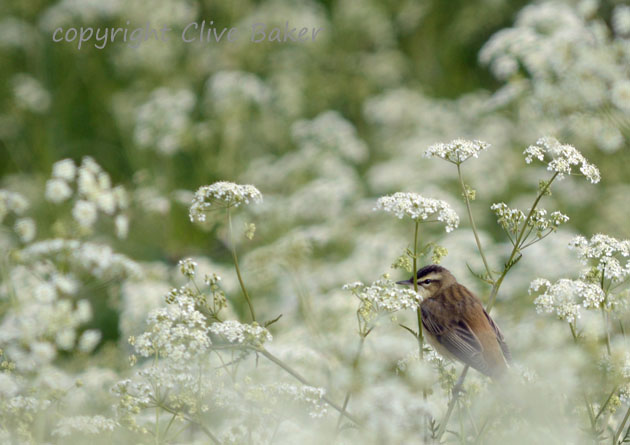
These early morning walks are made all the more special by the Summer Migrants that arrive and the still air is full of their song, like the Sedge warbler and the first Cuckoo calling.

Small warbler in undergrowth

Sedge Warbler finds a perch to sing from

Those days seem so far away now as we wake to the foggy damp mornings and everyone is rushing about in big coats, hats and gloves, but it will not be long until Spring and we wait for the first signs of longer days.

Until then I will look at and share my images that makes being an East Anglia a special place to be.