Sight and Sound of the fen

This weekend I decided to take a walk over Wicken fen, Saturday afternoon was windy but bright parking at Upware I walked along Burwell Lode where swallows were feeding along with Common terns over the footbridge we turned left to walk along Wicken Lode where Reed buntings and Reed warblers were calling half way along Wicken Lode we saw our first Hobby of the year as we stood and watched we soon discovered there were four hunting, catching large flying insects and feeding on the wing.

Small falcon in flight

Hobby hunting over Wicken Fen

I am guessing the hobby’s had followed the house martins from Africa  as there appeared to be a lot of house martins flying high above us as well.

As we walked around on our loop of Wicken fen we also heard cetti’s and willow warblers some of the willow warblers we saw but the cetti’s warbler is hard to see but it’s song is unmistakable  as it is a long short burst of repetitive notes.
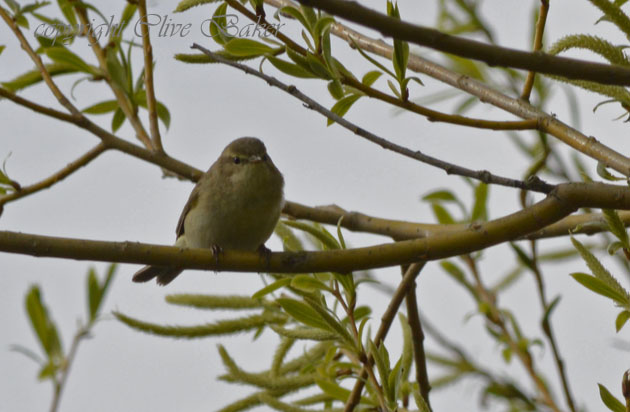
Small brown warbler in branch

Willow Warbler

We were also lucky to see a Great White Egret on Baker’s fen almost double the size of the little egrets that were also there, but further along we heard in the distance our first cuckoo calling, had this like the hobby and house martins just arrived from Africa?.

As we made our way back along Wicken Lode I heard the unmistakable call of a nightingale very loud and very close, this bird will be low in the vegetation but very hard to see, we scanned the thickets as it sang its tropical like song, but we could not see it, we picked up other birds that we did not know were there, male blackcap, chaffinch but no nightingale was showing, reluctantly we left after 20 minutes to leave the song of the nightingale to any other person who may walk by.

Sunday Morning although dawned grey the wind had dropped so maybe this was a chance to go back to Wicken Fen and see if I could locate or at least record the Nightingale.

Parking at Upware again I noticed there were more Swallows, feeding around the sluice gates and recovering on the overhead wires after their long migration to the UK

Two swallows on sitting on wire

Swallows recovering after their long migration from Africa

As I approached Wicken Load I could hear two cuckoo’s calling, one male and a female replying, soon I saw them chasing one another around the trees, then all around there seemed to be at least four calling maybe these had arrived since yesterday, then they were joined by the nightingale which seemed further away that yesterday but in the same area  all around I could hear cetti’s warbler, chiffchaff, sedge warbler and reed bunting.
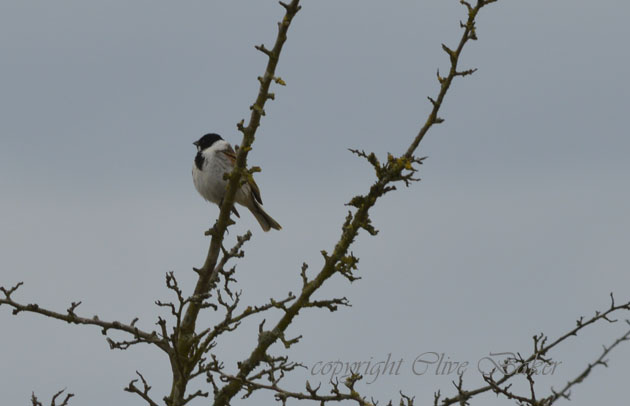
Small brown bird with black head

Male reed bunting calling from a hawthorn

The reed bunting was calling from a hawthorn and below him the sedge warblers called from the reeds and as they seemed to get louder looked for a higher perch at the top of the reeds or in the lower branch of a thicket.
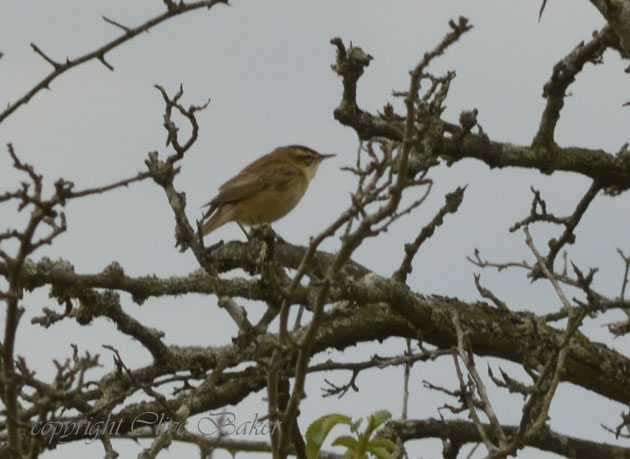
Sedge warbler in hawthorn bush

Sedge warbler

I managed to work out how to use my new digital recorder and tried to capture some of the sounds of Wicken fen. All I need to do now is work out how I can share my recordings but for now here is what a nightingale song sounds like,

Nightingale song

and for the record I think it was a robin that was singing in Berkley Square not a nightingale.

The Bees are Buzzing

A few days ago I noticed a queen bumblebee was going in to my compost heap, she would have spent the winter hibernating in an old mouse hole and would have emerged in early Spring to start collecting nectar and pollen from the first flowers she could find.

Once she has found a suitable nest site she will start laying eggs and collecting nectar and to feed the larve the first of which will become workers. these will take over the task of collecting the nectar and pollen whilst the Queen remains in the nest and basically becomes an egg laying machine to expand the colony.

All of these first workers are females but will be infertile, later in the season she will start to lay male worker larve and fertile females which will become future queens which mate with these male workers.

The infertile female and the male workers will all die in this first year but the new queen bees will carry on the cycle to hibernate and emerge the following Spring to lay the fertile eggs they have had since this Summer so completing the cycle, it is these Queens that will only live for two years.

Large Bumblebee collecting pollen

White-tailed Bumblebee

This is the time of year I get my Bee books out as I have to remind myself on the identification features of each bumblebee, as there are 24 species of Bumblebee in the UK, add to that the difference between the females and males then it can get quite tricky. first of all the Large bees are going to be queens, the smaller ones the workers, so this time of year the workers are going to be females also being early in the season there are going to be some bees that have not yet emerged, so I can safely say that today I have seen a aptly named ‘Red-tailed bumblebee’ worker as it was small with an orange bottom and completely black body being a female (the other red bottomed one is the Early bumblebee but this has yellow stripes on the body). The bumblebee I saw in the garden was the Buff-tailed this time a queen as it was large, can be confused with the White-tailed bumblebee but the tail on the Buff-tailed can be anything from a dirty white to buff and sometimes can be an orange red.

So all in all it can be very confusing so I would say get yourself a good book or maybe even join the BBCT as you will get some very good information to help.

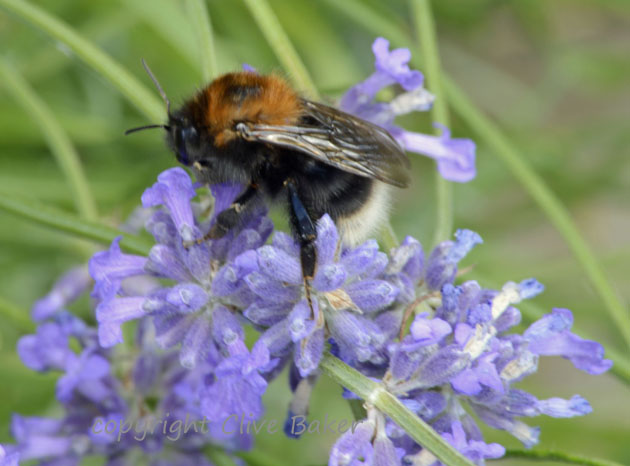
The easy bumblebee to Identify is the Tree Bumblebee the only one that is ‘Ginger, black white’. I will not mention the Bee fly

Tree bumblebee

Tree bumblebee

East Anglia a region of variety

I have just spent a few days in North Norfolk and whilst there it confirmed to me what a great part of the British Isles we have here not only for living and working but also for pastimes.

For example the wildlife and in particular the bird life.

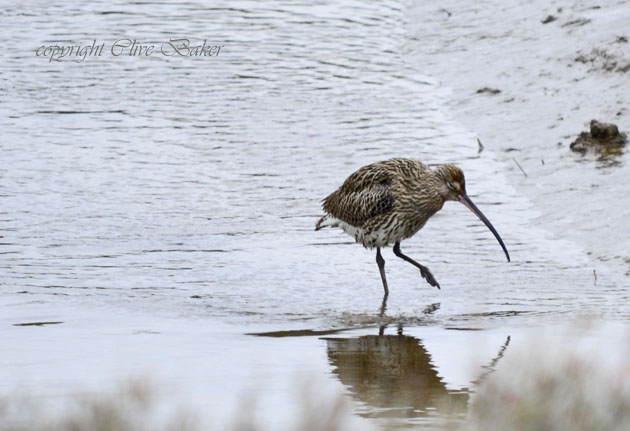
Wading bird with long curved down beak

Curlew at RSPB Ticthwell, North Norfolk

there are a number of nature reserves all over East Anglia and North Norfolk is one of the hot spots for seeing wading birds, with the RSPB reserves at Titchwell and Snettisham.

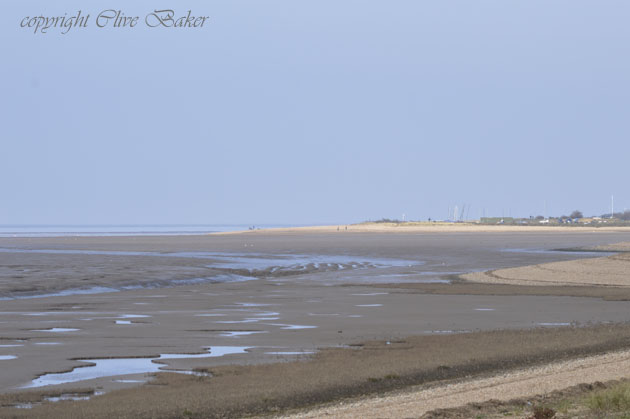
Vast beach

The Beach at Snettisham, a hotspot for seeing large flocks of wading birds.

Not only are there vast beaches but also woodland that attract walkers all year round and also sports events like Orienteering, sometimes these woods can be magical at first light all the more so in spring when they echo with birdsong.

light and shadow in woodland

First light on a spring morning in woodland at Sandringham

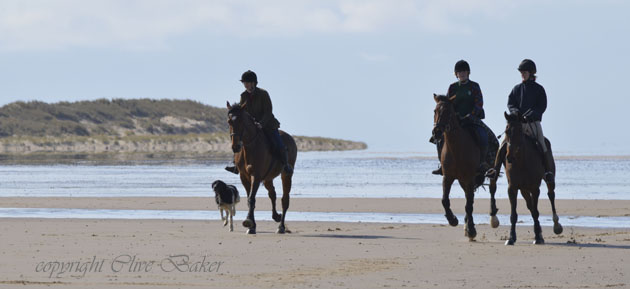
It is not only the people who live or visit the region that enjoy it but the animals they bring with them, horses and dogs love the freedom of the beach and the many footpaths.

Three girls on horseback with dog running on beach

Horse riders and pet dog gallop on Holkham Beach

From beach to woodland, there are many places in our region to enjoy at a gallop or just an easy walk, if paradise was East Anglia I would go tomorrow.

Three walkers on beach

A gentle walk on Holkham beach, Norfolk