One of the great things about living in East Anglia is the amount of great nature reserves we have here from the Norfolk Broads and Suffolk heaths in the east the long beaches and salt marshes to the North and the fenland to the West, and in between jewels of small reserves with rare species of insects and plants unique to their habitats.
Charles Rothchild who was a banker and a keen entomologist, as a result of industrialisation had seen the decline of wildlife and their habitat due to the draining of the Fens, which by the late 1800’s had disappeared by nearly 99%.
He purchased Wicken fen in 1899 which became our first National Nature reserve and is the oldest in Great Britain, this was followed not long after by his purchase of Woodwalton fen.
I was lucky enough to visit Woodwalton Fen in July and saw for myself the rich insect life there and also Rothchilds bungalow which sits in the centre.
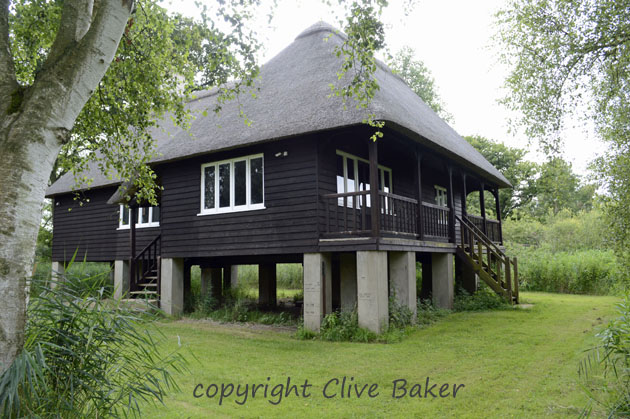
Charles Rothchilds bungalow in Woodwalton fen

The Study in Rothchilds bungalow, Woodwalton fen
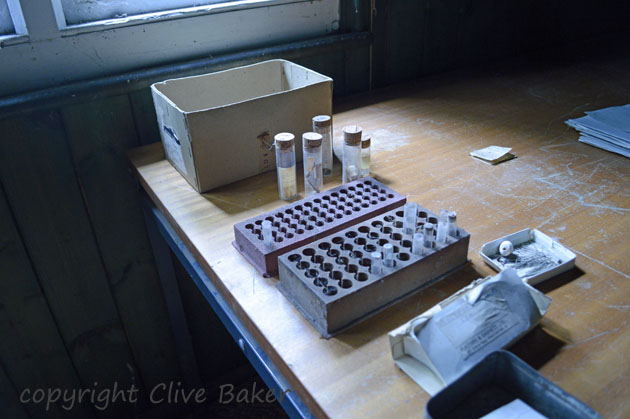
Specimen jars in Study

the small basic kitchen of Rothchilds bungalow.
Woodwalton is still very much a nature reserve and is at the heart of the Great Fen Project, an exciting project which will see a large area of land put back to fen and will become one of the largest wetlands in Europe, which can only be as magical as this reserve is now.

One of the drains that surrounds Woodwalton fen
 East Anglia the Wildlife, Landscape and People.