Winter Visitors

Today dawned bright and Sunny and it was looking good for our Watch meeting this afternoon, Being one of the leaders for the Ely Wildlife Watch Group I am always keeping an eye on the weather, as nearly all of our meetings are outside.

The Ely Wildlife Watch group is aimed at children and young families, in short the aim to get children interested in nature and wildlife, so each month we have a theme that we base each meeting around. Todays was Winter visitors.

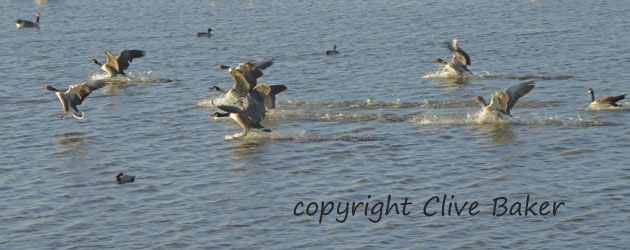
So I was pleased to see as I walked the dog a small flock of fieldfares fly over and having my camera with me I managed to get a quick photo of them as they headed West.

Small flock of fieldfares in flight

First fieldfares I have seen this Autumn.

With the fields already showing signs of winter crops I am sure there will be more in the fields, but they are usually hard to see against the bare earth, fieldfares usually like orchards which were quite widespread in Cambridgeshire but have disappeared of the years since the second world war, there was estimated 33,ooo in East Anglia and now estimated to about 3,ooo orchards.
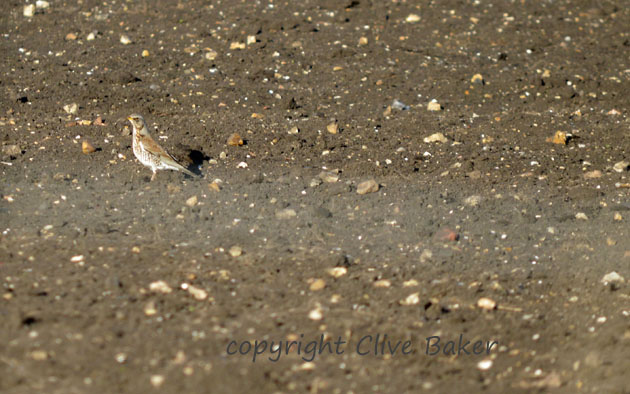
Fieldfare in ploughed field

Fieldfare.

But there seems to be plenty of fruit in wild in the form of sloes, haws and crab apples so maybe we will get more Winter visitors as it starts to get colder, I know we have already had redwings as I have heard them calling at night as they fly in a night but fingers crossed we will get Waxwings.

I will Just finish with wishing Jo one of our Ely Wildlife Watch leaders a very happy birthday, She is 40 you know.

Lest we forget

My Website is named ‘East Anglia, the Wildlife Landscape and People’ and I am conscious of the fact that up to now I have not mentioned people much, so as we approach remembrance Sunday I am putting that right by mentioning two East Anglian people.

The First is Canon Reginald Augustus Bignold (1860-1944) who was Rector of my home village of Carlton Colville in Suffolk, from 1898 to 1944.

I remember seeing his grave stone by the entrance of the village church when I used to  use the church yard as a short cut as a child on my many wanderings around the village, but did not know much about him until my Mother gave me an old book she had, titled ‘The Carlton Colville Chronicles’ edited by J.R. Goffin.

Cover of Book

The Carlton Colville Chronicles, copyright Parochial Church Council of St.Peter’s Carlton Colville

This book records the diary of Canon Bignold that he had written in the fly leaves of the Parish Records and give an insight into the village and the effect the First World War had on it, the villagers and Canon Bignold himself, imagine he could hear the Guns from France as the windows rattled in the rectory by the sound waves travelled over the North Sea to Suffolk, and the time he was followed by a Zeppelin as he walked from Oulton Broad to Carlton Colville.

I will end this Blog with the first two entries of his records for November 1914, the entries in the Parish Records increases in number and volume as the War progressed and I may from time to time place quotes of some of his records on the day they were recorded 100 years before.

The next person of East Anglia is my Grandfather Harold Baker, I never knew my Grandfather but what I knew of him was that he was born in 1899 (the year after Canon Bignold became rector of Carlton Colville), he was a fisherman and died as a result of an accident at Sea in 1946. But I know 100 years ago in 1914 he was in the Navy in Egypt as I have a photograph of him, looking very young at 15 or 16 years old.

World War 1 Sailor

Harold Baker, Egypt 1914


Finally a photo of some unknown ‘Lads’, we found this photograph in a bag that belonged to a Great Aunt of my wife, we do not know who they are, how old or where they were at the time, they all look very young and we think at least one of them must have been close to this great Aunt, we do not know if he or any of them in photograph came home.

Young british soldiers

unknown Soldiers of the First World War

November 1st 1914 One-hundred and fifty-five men belonging to this Parish have now joined the Colours.

November 4th 1914 War declared on Turkey

extracts from ‘The Carlton Colville Chronicles’, copyright Parochial Church Council of St.Peter’s Carlton Colville.

Topping up the bird table

We had are real first frost of the Autumn today in East Anglia we may have had the odd air frost but this was a ground frost, so I expect all those plants that had late flowers out have now been hit.

On getting home from work I noticed the birds had nearly cleared all the food off the bird table I had put out the night before, all the meal worms had gone in the tray on the bird feeder, I am guessing the starlings had a feast here and maybe the odd robin or two, I know the hedgehogs we have in the garden had been sniffing the air under the tray as I had managed to get film of one doing this on my camera trap, so maybe one managed to climb up and help itself to some of these as well.

We mad not have a frost tonight but I think most of East Anglia will have rain by the morning, but I have still put food out for the birds and the hedgehogs which need to have the correct body weight before the go into hibernation for the winter.

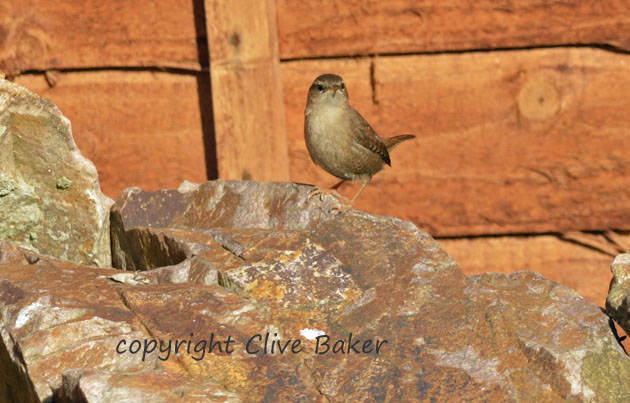
Wren on a rock

Wren on the rock behind the garden pond

Slaughter on the tracks

Standing on the platform at Cambridge rail station is not always a place you would expect to encounter East Anglian wildlife, although once I did see a Woodcock fly past platform 4, this evening I noticed on the tracks the remains of a pigeon, mostly overlooked as we all stood there waiting for our train, I started to notice more remains of birds, at first I wondered how it was so many birds were struck by trains here, then I noticed near the pigeon the remains of a brown bird, I went to have a closer look at it and was sad to see it was a Tawny owl, in Cambridge Station? so I walked a few feet up the along the platform looking and counting the birds (getting strange looks from other passengers). in a short distance I had seen a Tawny owl, pheasant, red-legged partridge, stock dove and a number of wood pigeons.

Then it dawned on me these were birds that had been hit out in the countryside and as the trains stopped into the Station they fall off, a sad sight and it made me wonder how many more birds, rare and common, are killed just by train strikes alone.

On returning home I could see it was going to be a cold night and made sure that there was plenty of food on the bird table and in the feeders for the birds in the morning, after all they need all the help we can give them.

Chaffinch on branch

Visiting Chaffinch to our garden feeders

East Anglia rich in wildlife

One of the great things about living in East Anglia is the amount of great nature reserves we have here from the Norfolk Broads and Suffolk heaths in the east the long beaches and salt marshes to the North and the fenland to the West, and in between jewels of small reserves with rare species of insects and plants unique to their habitats.

Charles Rothchild who was a banker and a keen entomologist, as a result of industrialisation had seen the decline of wildlife and their habitat due to the draining of the Fens, which by the late 1800’s had disappeared by nearly 99%.

He purchased Wicken fen in 1899 which became our first National Nature reserve and is  the oldest in Great Britain, this was followed not long after by his purchase of Woodwalton fen.

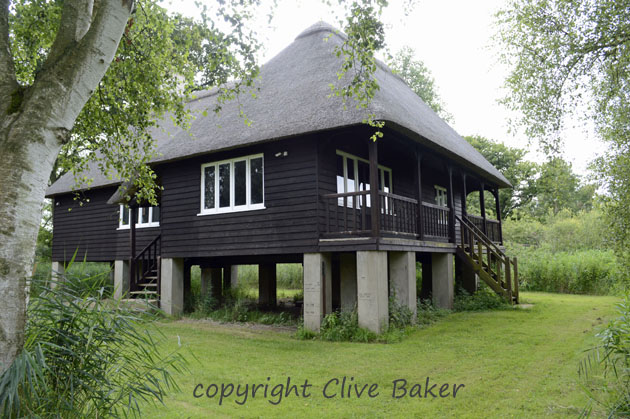
I was lucky enough to visit Woodwalton Fen in July and saw for myself the rich insect life there and also Rothchilds bungalow which sits in the centre.

Bungalow in the middle of Woodwalton Fen

Charles Rothchilds bungalow in Woodwalton fen

Desk and chair in Rothchilds bungalow

The Study in Rothchilds bungalow, Woodwalton fen

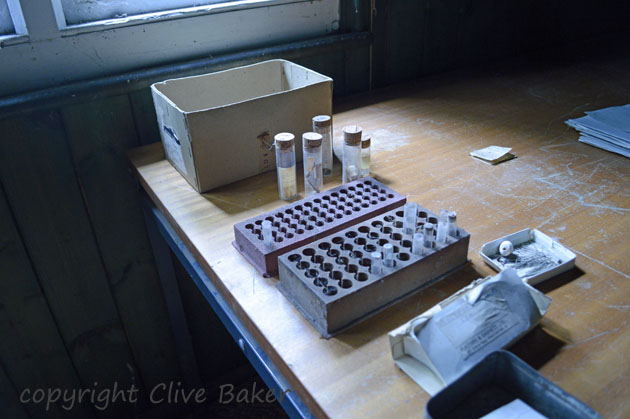
Specimen jars on table of study

Specimen jars in Study

old stove with table and chair in kitchen

the small basic kitchen of Rothchilds bungalow.

Woodwalton is still very much a nature reserve and is at the heart of the Great Fen Project, an exciting project which will see a large area of land put back to fen and will become one of the largest wetlands in Europe, which can only be as magical as this reserve is now.

Large water filled drain edged by trees

One of the drains that surrounds Woodwalton fen

A cold November day and memories of May

It feels more like a typical November day today chilly and dark, in fact it is only just daylight by the time I get to work, I walk in darkness to the train station, but the Robins are singing under the false dawn of the street lamps, it is these dark mornings I notice how close the blackbirds get to your feet as you scuffle along in the fallen leaves, perhaps they are behaving like true woodland birds as they along with Robins would follow wild boar as they uncovered slugs and worms in the leaf litter of old woodlands.

It is days like today I think back to what is now seeming to be those far off days of late Spring and Early Summer, like late May when we spent a week in Kessingland visiting family and old haunts like Dunwich Heath.

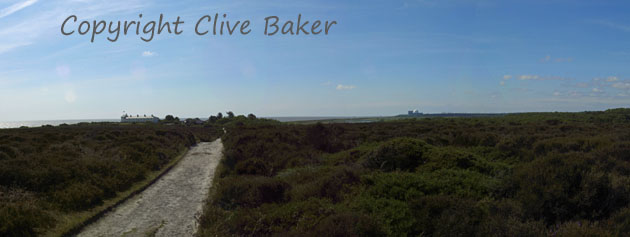
Dunwich Heath, Suffolk

Dunwich Heath

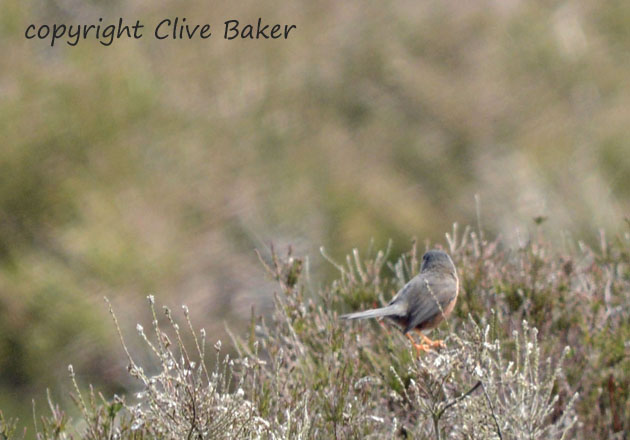
Dunwich Heath was always rich in birds and wildlife, but in recent years it now has a rare breeding bird that I would never have seen in my childhood years, the Dartford warbler which I was lucky enough to get an image of this year, now breeds on the heath, but sometimes their numbers take a tumble if we have a harsh winter so can be hard to find at times in the following spring.

Dartford warbler on gorse

Dartford Warbler, Dunwich Heath

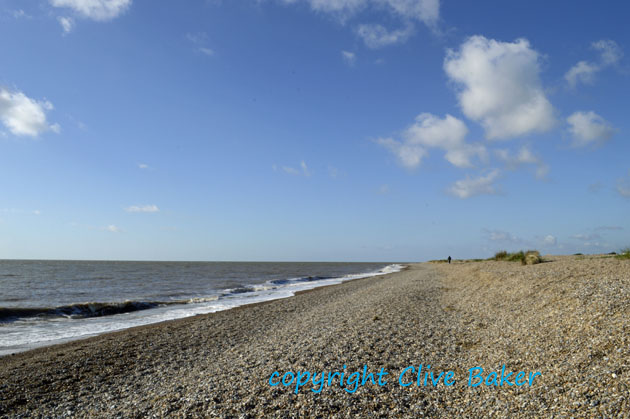
So let us hope the winter is short and not a harsh one and it will not be so long before we can walk along the beaches of Suffolk and the heathlands are full of nesting birds.

Kessingland Beach

Looking South on Kessingland beach, Suffolk

Could this be the start of a Normal November?

First job of the day is to walk the dog, on stepping out side even though it is still mild the wind had got up and I could see we had not long had some rain.

I grabbed my camera and binoculars just in case we had some winter visitors flying in, most of the birds on the berries appeared to be Blackbirds but no sign of any Redwings or Fieldfares.

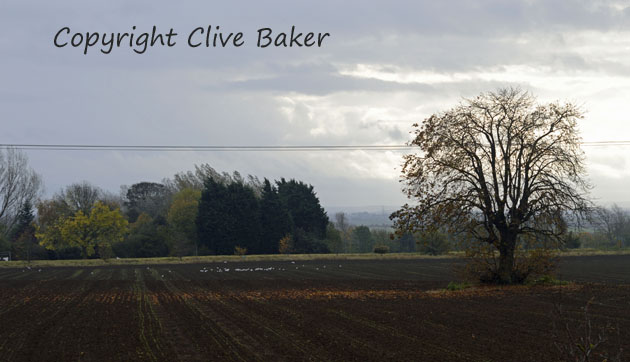
Passing some of the freshly ploughed fields I could see that a lot of the trees had shed their leaves overnight  and this gave me a clue as to why there were no winter birds and the leaves were lying north-east of the lone Oak in a field which told me the wind had come from the South West and the reason it was still mild.

Lone Oak tree in Field

Lone Oak in middle of field with leaves on North East side

After feeding the dog, and putting out food for the birds in the garden it was mostly a day spent inside due to the heavy rain showers.

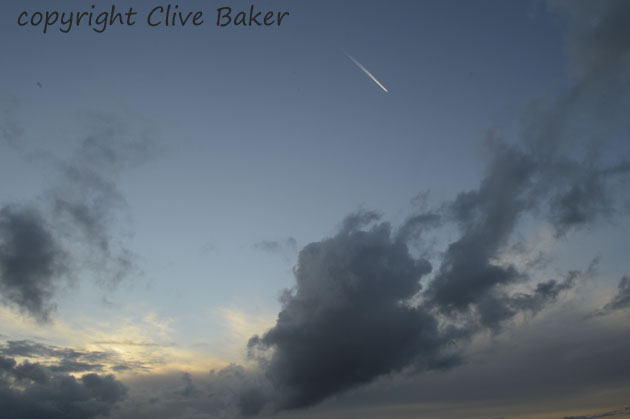
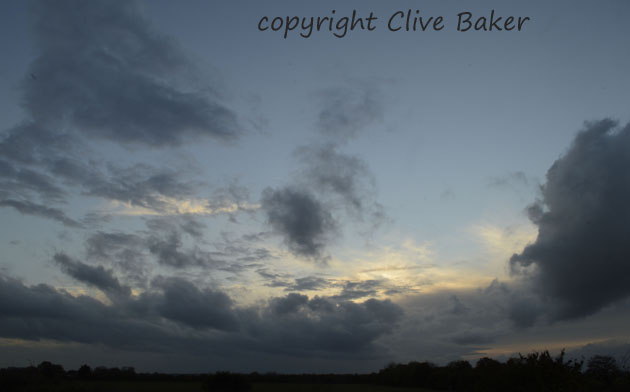
I was able to catch up on a few things but kept looking out for a break to get out with the camera as luck would have it I managed to get before Sunset and take some shots of the Fenland sky, usually very dramatic after rain I found todays to be very calming with the Aircraft flying to west and the sun catching the vapour trails.

Sunset with airplane vapour trail

The sun catches an aircraft’s vapour trail

Sunset over fenland

Big Fenland sky

A new Month, a new Day

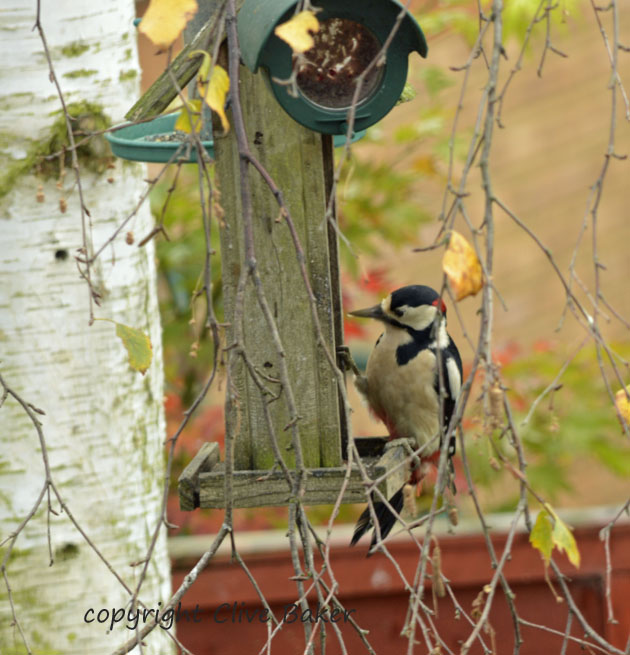
November can be a grey Month, but today was warm and as the progressed was bright and Sunny, the first visitor to the garden feeders was a male Great Spotted Woodpecker, I had not seen one in the garden since last winter.

Woodpecker on feeder

Male Great spotted woodpecker

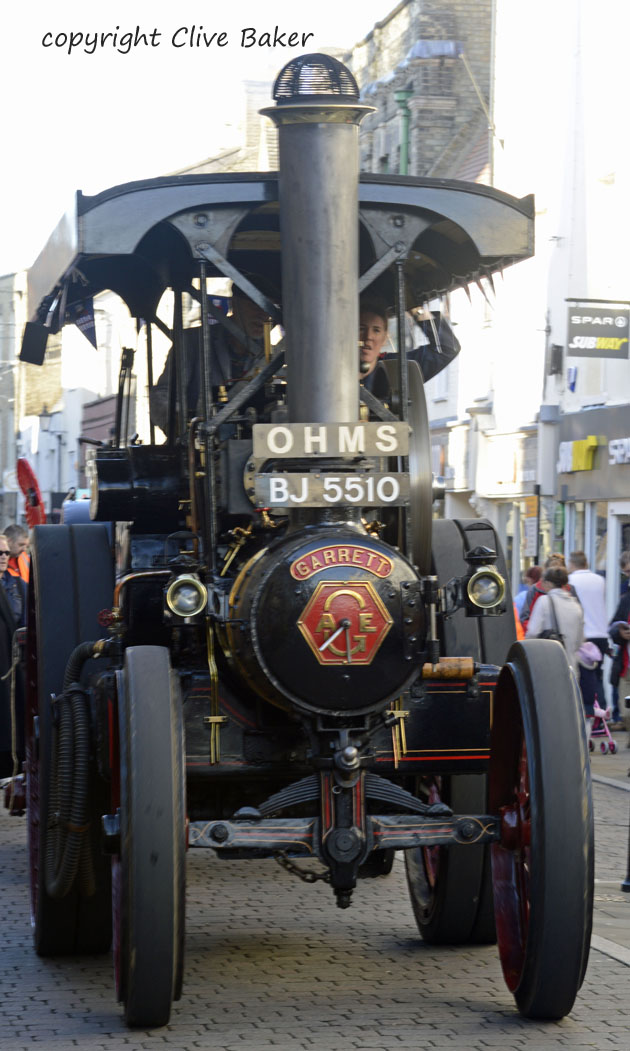
We walked into Ely so I decided to take my camera and was rewarded with plenty of sights first a steam engine traveling down the high street

Vintage Steam Engine

Steam Engine in Ely high street

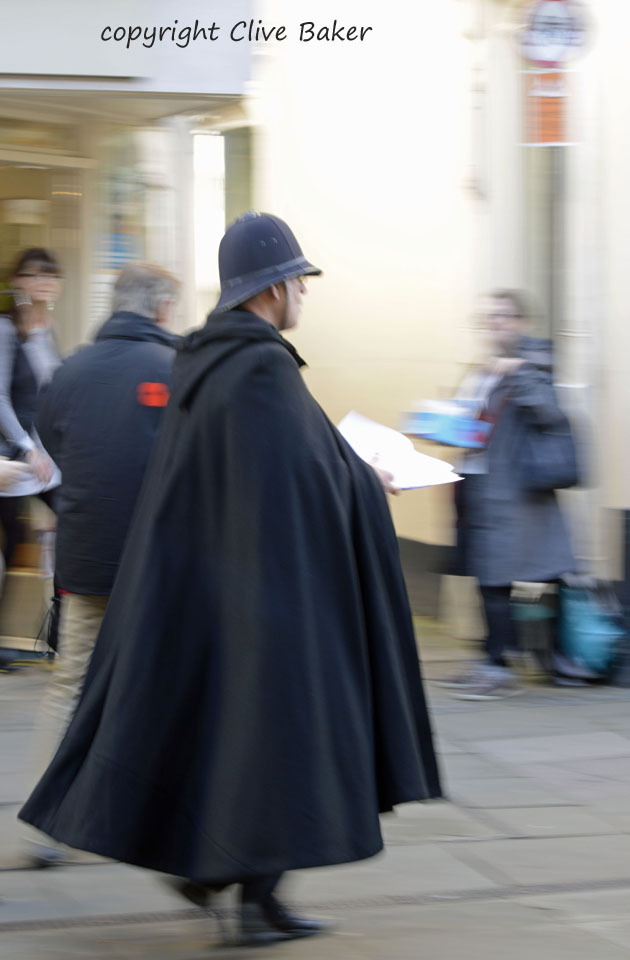
Which was escorted by an Edwardian Policeman

Man dressed as an edwardian policeman

Edwardian Policeman escorting the Steam Engine

The we came upon a wedding at the cathedral where the wedding party arrived by horse and carriage.

Carriage pulled by two white horses

Wedding party arriving by carriage

The afternoon was spent at WWT Welney where I gave the 3:30 pm Swan talk and feed, this week to 85 people, there are lots of birds arriving now, lots of Golden Plover estimated around 2,000 birds, Kingfisher, Geese, lots of wading birds and of course the Whooper swans, I managed to get some more images, one of which is of these Geese landing

Geese landing on water

Graylag and Canada geese coming in to land at WWT Welney

And it is always worth waiting for a fenland sunset

Sun setting over water

the Sun sets over Welney