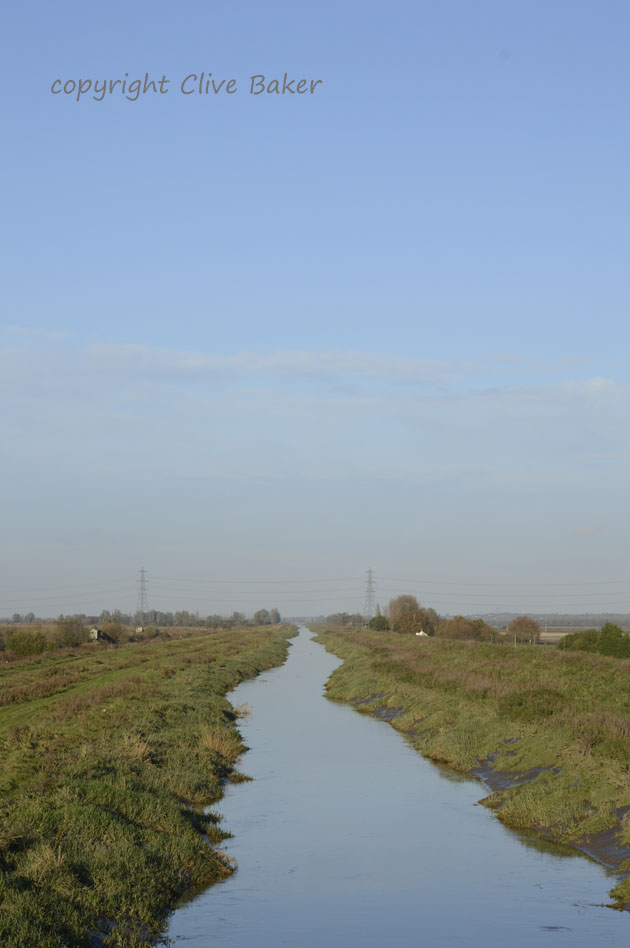
Looking North over the Bedford New Cut, Welney
Looking over the fens of Cambridgeshire and Norfolk today it is hard to imagine that the landscape was created by the hands of men with the basic tools of a wooden spade and a woven basket to move the earth.
The draining of the fens began around 1631 when the first drains were cut to channel the water from the vast wetlands, this was a landscape where people used boats to move between villages as there were few or no roads, the people who lived here did not want their way of living changed so the early group of gentlemen adventurers who were financing the drainage found it hard to get local labour to carry out the scheme.
I suppose you could say their salvation came from the English civil war in the form of forced labour using prisoners, like around 500 dutch sailors taken from a sea battle off Portland Bill, but the majority of the prisoners they used were Scottish soldiers who fought against the parliamentary ‘Roundheads’.
Many of these prisoners were held in gaols and were forced marched from places like York to the fens to start the digging of drains and straightening and deepening of existing rivers to increase the water flow and digging of new large new drains like the Bedford New cut 21 miles long.
They were made to wear white course wool suits to make them stand out as prisoners, they lived in wooden huts that were dismantled and moved along as they dug out the drains.
Life was hard as they dug and carried their baskets of mud to create the banks, many died of exhaustion, bronchial or malaria related diseases in the harsh landscape of the fens, as it was costly to move any bodies to graveyards the bodies were buried in the banks of the drains.
The Scots were preferred to be used for this work as they were hardy and came from a land where the conditions were like those of the fens even if the landscape was very different, many managed to escape and were helped by local fen folk who were opposed to the draining, an escaped prisoner was not pursued if they managed to get as far north as the River Trent.
After the end of hostilities many were released and returned to their native Scotland, but others stayed and married local women.
As you look today at the banks they created you will notice the flat tops, by doing this they had made walkways to make getting around the fens easier, they also made roads on the reclaimed land so really we have a lot to thank these men for as we travel with ease around the fens, perhaps we may pass by the forgotten body of one of the thousands of Scots who died creating this landscape one that we could say was ‘Made in Scotland’
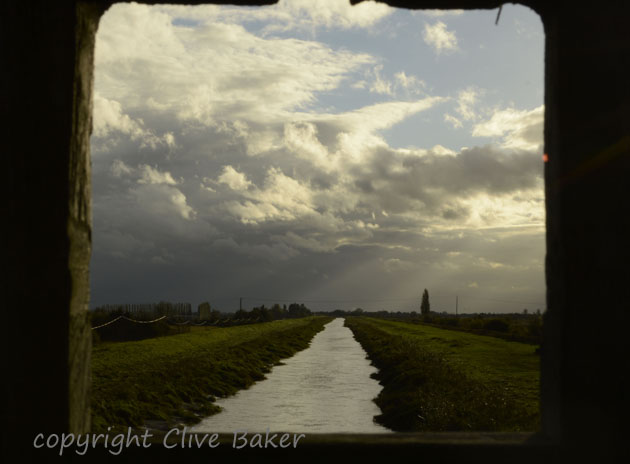
Bedford new cut from footbridge at WWT Welney
 East Anglia the Wildlife, Landscape and People.