Bishy barnabee

As a child growing up in Suffolk Bishy barnabee was name we all knew the Ladybird by, and seems to be used in both Norfolk and Suffolk by most people when referring to them. You could actually live in Bishy barnabee way in Norwich or one of the roads off it like Ladybird way or Pollywiggle close, so at least it seems the name will be used in the future in one way if we were ever to stop using it in our everyday language.

But where did the name Bishy barnabee come from? There was actually a Bishop Barnaby who lived in the Fens and was apparently burned at the Stake so could this be a connection to the nursery rhyme which is said to have it’s origins in Norfolk “Bishy Bishy Barney Bee, Fly away home, Your house is on fire, And your children all gone”.

Another theory is the name is believed to be derived from the 16th century Bishop Edmund Bonner who lived from 1500 to 1569 , and was known notoriously as ‘Bloody Bonner’ for his ruthless persecution of Protestants under Queen Mary. Originally A vicar in East Dereham, Norfolk he became Bishop of London in 1539, so again another Norfolk connection.

One last Norfolk ryhme was used by Norfolk girls as the Ladybird was seen as a prophet of love and the young lady would hold the Ladybird in her hand and chant “Bishy, Bishy Barnabee do tell me when my wedding be”.

7 spot Ladybird

Whatever the origin of the name Bishy barnabee it seems to have a religious connection be it Bishop Barnaby or the fact that some say it was because the Catholic Bishops wore cloaks of red, the name Ladybird is said to come from ‘Our Lady’s bird’ referring to the Virgin Mary who was thought to always wear a red cloak and the seven spots on the ladybird were the seven joys and sorrows that the Virgin Mary was said to have embroidered on that red cloak.

7 Spot Ladybird

The connection to the Virgin Mary and her cloak with the seven joys and sorrows would make you think that there was only the one species (7 spot) Ladybird to be found in Great Britain and Ireland, but there are in fact 47 Ladybirds to be found in the British Isles, not all are Red and not all have spots, The 7 spot is the more numerous with 37129 recorded but it is decreasing, followed by the Halequin ladybird a recent addition to our British list from Asia with 34234 recorded and increasing, compare these two species with Nephus bisignatus with 1 recorded, all these records were from the BRC ladybird database for each species (ordered by number of 10km squares) from 1975 to 2015 which can be found in the fantastic book Field Guide to the Ladybirds of Great Britain and Ireland by Helen Roy and Peter Brown, this book gives you all the information you would want for identification of each species ( and you will be please to know all but a handful can be found in East Anglia ), on each species there is a colour plate page with the Adult, larva and a life size and some are tiny, and in case you were wondering Nephus bisignatus the length is 1.5mm-2mm and is black and the one record was in Rye Harbour, East Sussex in 1996.
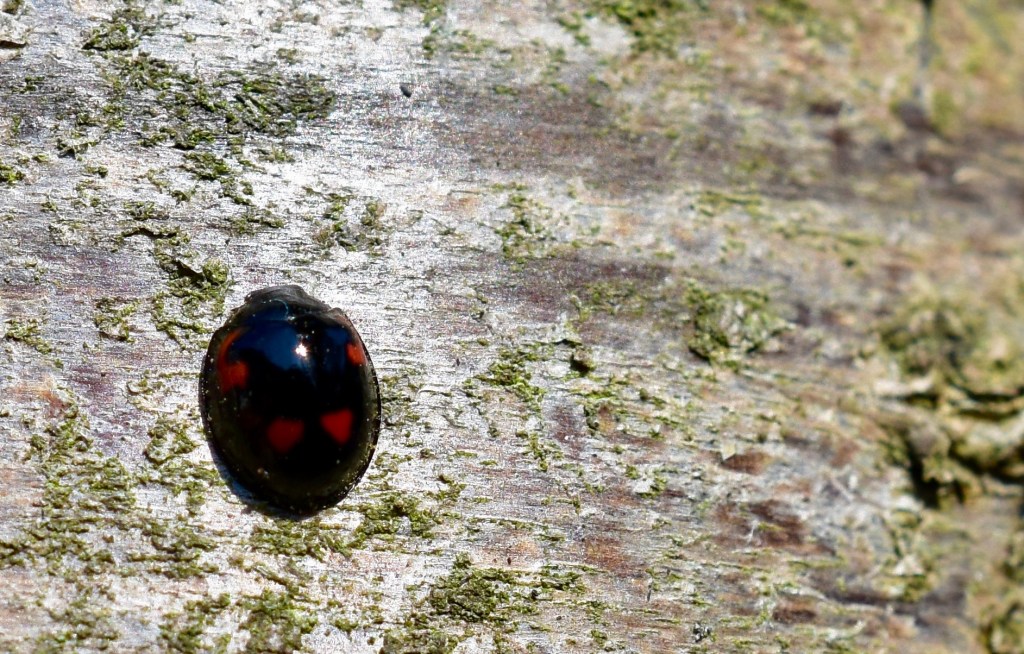
Pine Ladybird

References
Field Guide to the Ladybirds of Great Britain and Ireland, Roy, Brown and Lewington, Bloomsbury, 2018, ISBN HB: 978-1-4729-3567-0, PB: 978-1-4729-3568-7
Daily walk

It may be starting to feel a bit like Groundhog Day with social distancing and only being able to have one period of exercise a day in the form of a jog, cycle or as in my case a walk incorporating the dog’s first walk of the day, but at least we have been blessed with dry and warm weather these past few days. As I said in my blog yesterday my daily route is now becoming bit of a ‘ Local Patch’ with me, however it does amaze me although the route is the same and in cases at the moment so are some of the birds, Sedge warbler, Reed bunting, Whitethroat and I have never had a year where I have seen so many Grasshopper warblers.

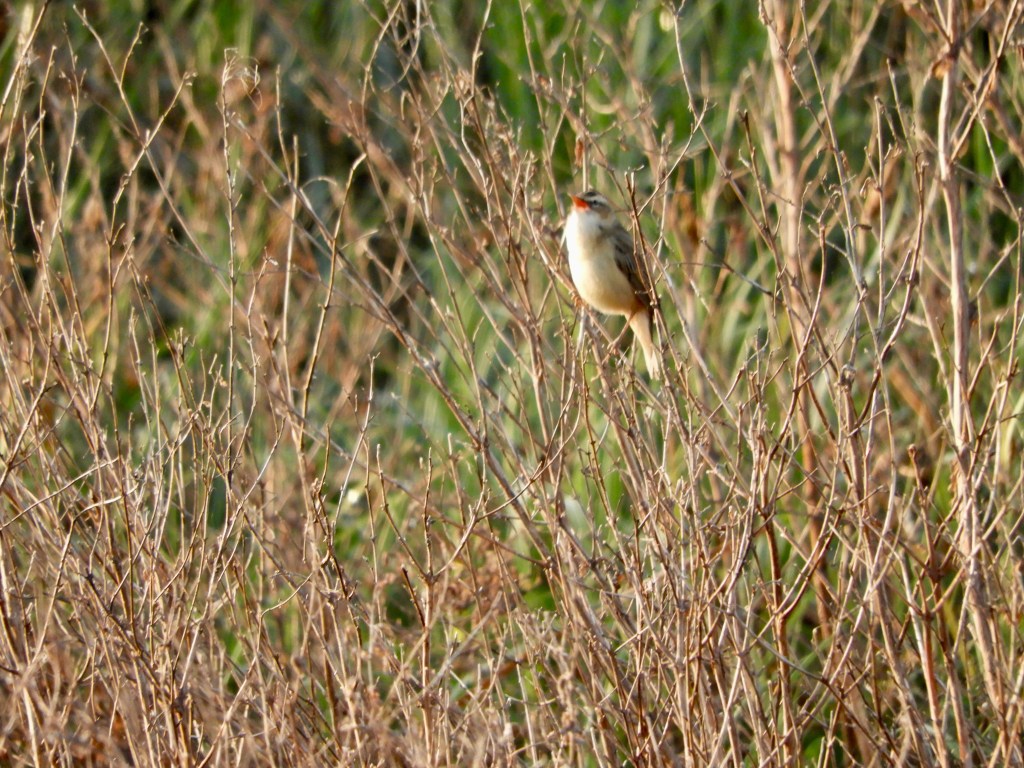
Sedge warbler today

But some birds and mammals are only making an appearance now and again, for instance there were no Roe deer today whereas I nearly always see at least two or three, for the second day in a row I saw Barn Owl but this is the only time in these last 14 days that I have seen two individuals, one of them appears to be slightly darker than the other and they were both hunting in separate areas.

Barn owl hunting

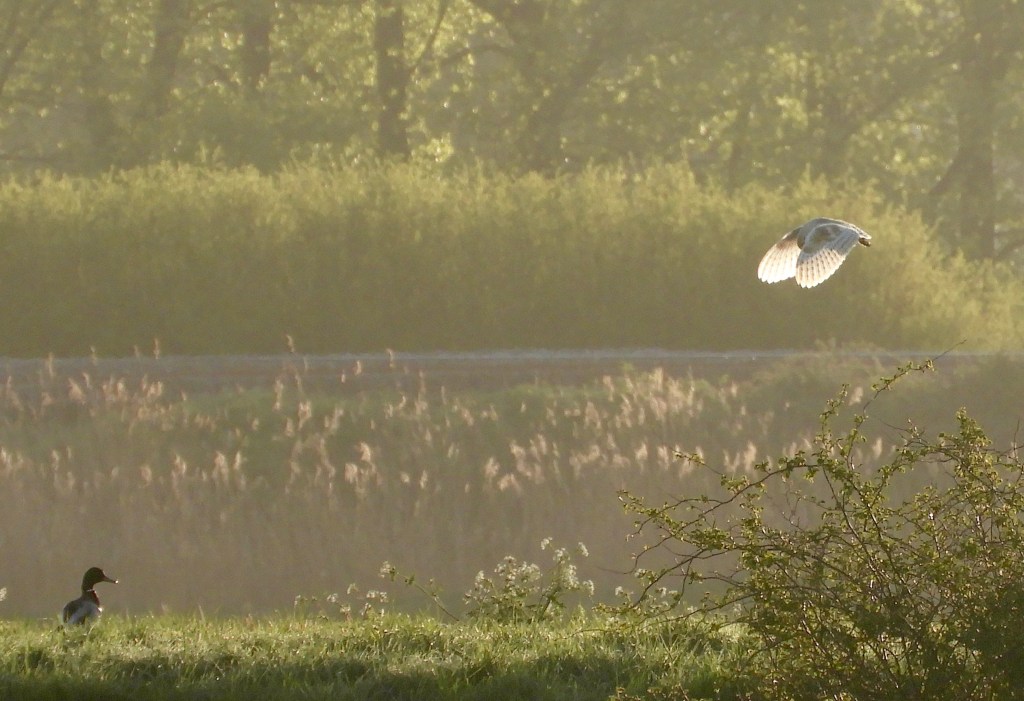
The first and lighter of the two Barn Owls was at the 2 mile mark on my route, almost ghost like in the morning light, at first it was ahead of me along the footpath flying low along the bank, twice it dropped down on to the ground, perhaps it had managed to catch a vole?, but it seemed to take off again with out any reward, it then crossed the river and started coming towards me on the opposite bank, as it was almost level with me I had to shield my eyes against the rising sun which highlighted the Owls wing feathers making it all the more ghostly, a mallard drake on the footpath seemed curious as to what the Owl was looking for.

Mallard and Owl

The Owl carried on North along the river looking for any movement below, it carried on until it reached the railway bridge then promptly turned and headed South again along the river, it paused at times in a slight hover and I watched it disappear along the opposite bank, I have been transfixed by the Owl and it was almost as if someone had turned a volume switch up as I became aware of the Sedge warblers and then a Grasshopper warbler.

Grasshopper warbler

This has almost become a daily game now locating the Grasshopper warbler, cup one ear, cover the other (stand on the dogs lead to make him stay) and located, there he was low in the vegetation turning his head from side to side, I am really loving this little warbler and I am wondering if this is a record year for them.

Grasshopper warbler singing this morning

We got to the bridge that goes over a small dyke after locating another Grasshopper warbler, this is the point we turn back (Sammy now anticipates this), on the way back the Whitethroats are singing to my left, the Sedge and Grasshopper warblers to my right, just up ahead the distant call of a Cuckoo but no appearance this morning, we walk back along the path stopping now and then to look, listen and take in the morning as another day gradually wakes up around us, we cross the railway line at the small gated crossing, there are linnets on the path just on the other side of the crossing and a Whitethroat sings in the brambles.

Whitethroat

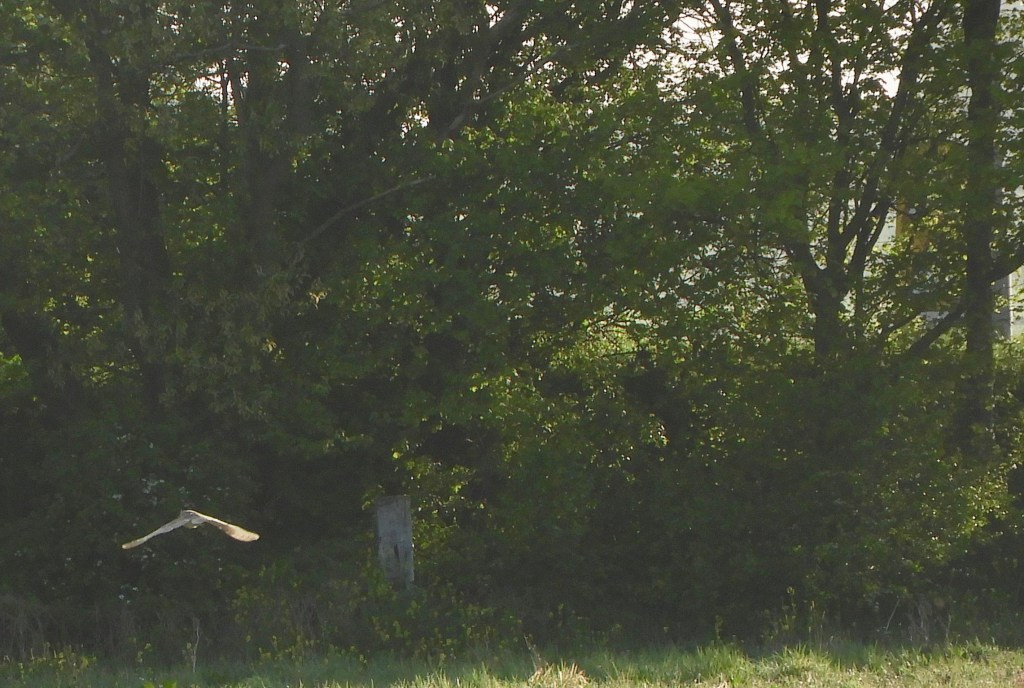
We carry on along the path to the new bridge that takes the Ely Southern bypass over the railway lines and the river, as we emerge from underneath the bridge and walk beside a fenced off area of reedbed there is suddenly an alarmed call from an unseen Water rail and infact all the Sedge warblers have stopped singing, all of a sudden from behind us and to our right a Sparrowhawk flies low lazily over the reedbed to sit in a tree on the other edge. I am now a mile or so from where we turned round and I have retraced our route out and as I look in the distance there is the second, darker Barn owl hunting, almost a copy of the the first Barn owl in it’s pattern of hunting, unfortunately this one is also on the opposite bank and further ahead, but I am able to get close enough to get a photograph before it disappears Northwards over the road and along the river.

The second Barn owl

All in all another good walk to lift the spirits and face another day in lockdown, it is true that nature does give you a lift and hopefully more people have engaged with the wildlife and countryside close to them and I hope that it continues when all this is over, so I look forward to tomorrow and my daily dose of ‘natural medicine’ via my ‘Local Patch’.

Our halfway point on our daily walk, where we turn around to retrace our steps.

Farewell to Summer visitors

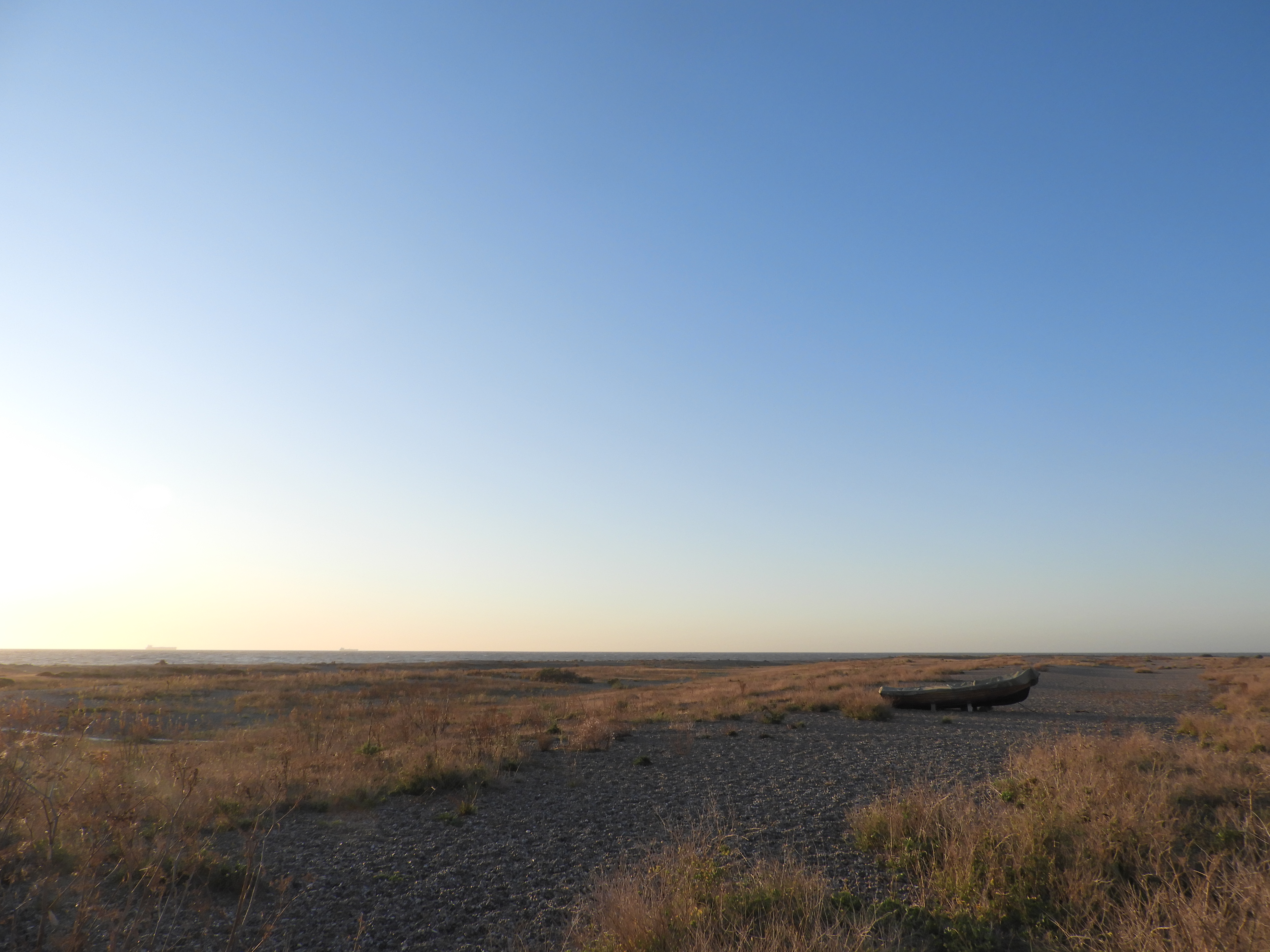
Does not seem possible last week saw me on the Suffolk coast and experiencing the last of the Summer with blue skies and 20c, it made the early morning walks along the beach that much more better for seeing flocks of linnets and migrating wheatears.

DSCN7910Looking south from Beanacre to Southwold

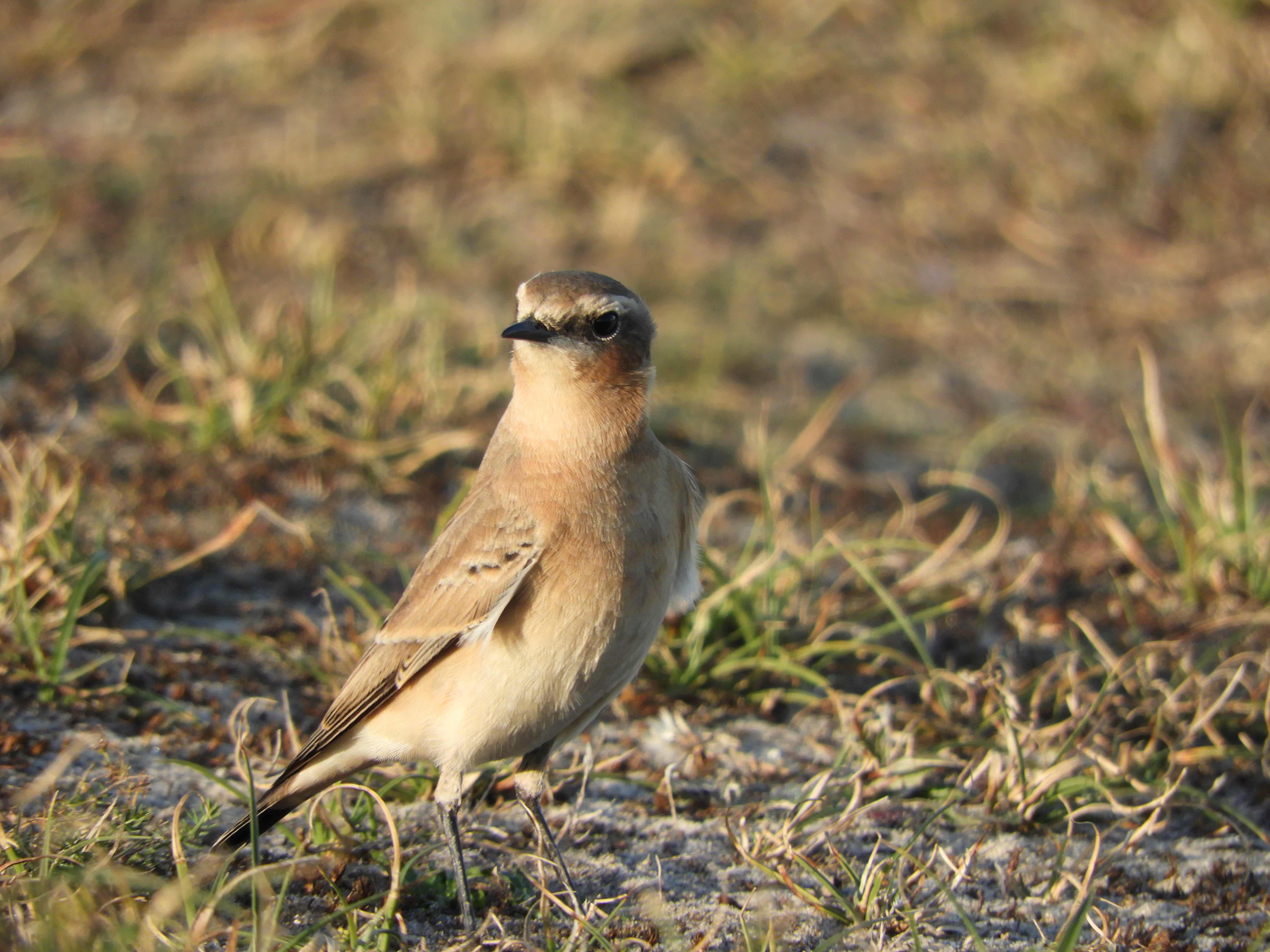
The first morning I encountered the migrating Wheatears was as I walked from Kessingland to Benacre with Sammy my border collie as we walked around the back of the small lake or Broad as it is known along the footpath amongst the bracken and ling you eventually have the option to get back on the beach which I usually do to head back to Kessingland, this morning as we approached the beach two Wheatear took off from the beach and flew South but  for a few metres before one of them suddenly stopped and suddenly started to hover, I had never seen them do this before and was amazed when the second one also joined it and started to hover as well, both were next to each other hovering for a minute or so before flying off south  along the beach.

I kicked myself for not having my camera ready to catch the hovering Wheatears, but ensured every time I walked along the beach from that morning to have my camera ready.

Although I never did encounter any more hovering Wheatear, I did see them everyday, from one or two every morning to up to three in the afternoon, some Male and Females and Juvenile obviously all on their migration South.

DSCN8000Wheatear

Every morning I saw lots of Swallows and House martins gathering on the telegraph wires on the campsite I was staying, a couple of morning there was panic amongst these birds as a Sparrowhawk would come in from the East with the rising Sun behind it, I saw this happen at about the same time every morning, usually an unsuccessful raid by the Sparrowhawk who always ended this flight by seeking cover in the same tree. One morning I saw a Hobby heading inland from the beach obviously using the same tactic of the rising Sun behind it to surprise prey. These were just two of the dangers the Swallows and House martins are sure to encounter on their migration but hopefully they will survive to return next year.

It was with a heavy heart I had to return home from my few days back home on the Suffolk coast, and all the more tinged with sadness as on that last morning there were no Swallows or Martins on the wires, it was as if we had all managed to enjoy those last rays of Summer and said farewell to our Summer visitors until next Spring, but now as Autumn settles in we can look forward to saying Hello to our Winter visitors as the arrive to enjoy out more ‘Mild’ Winter.

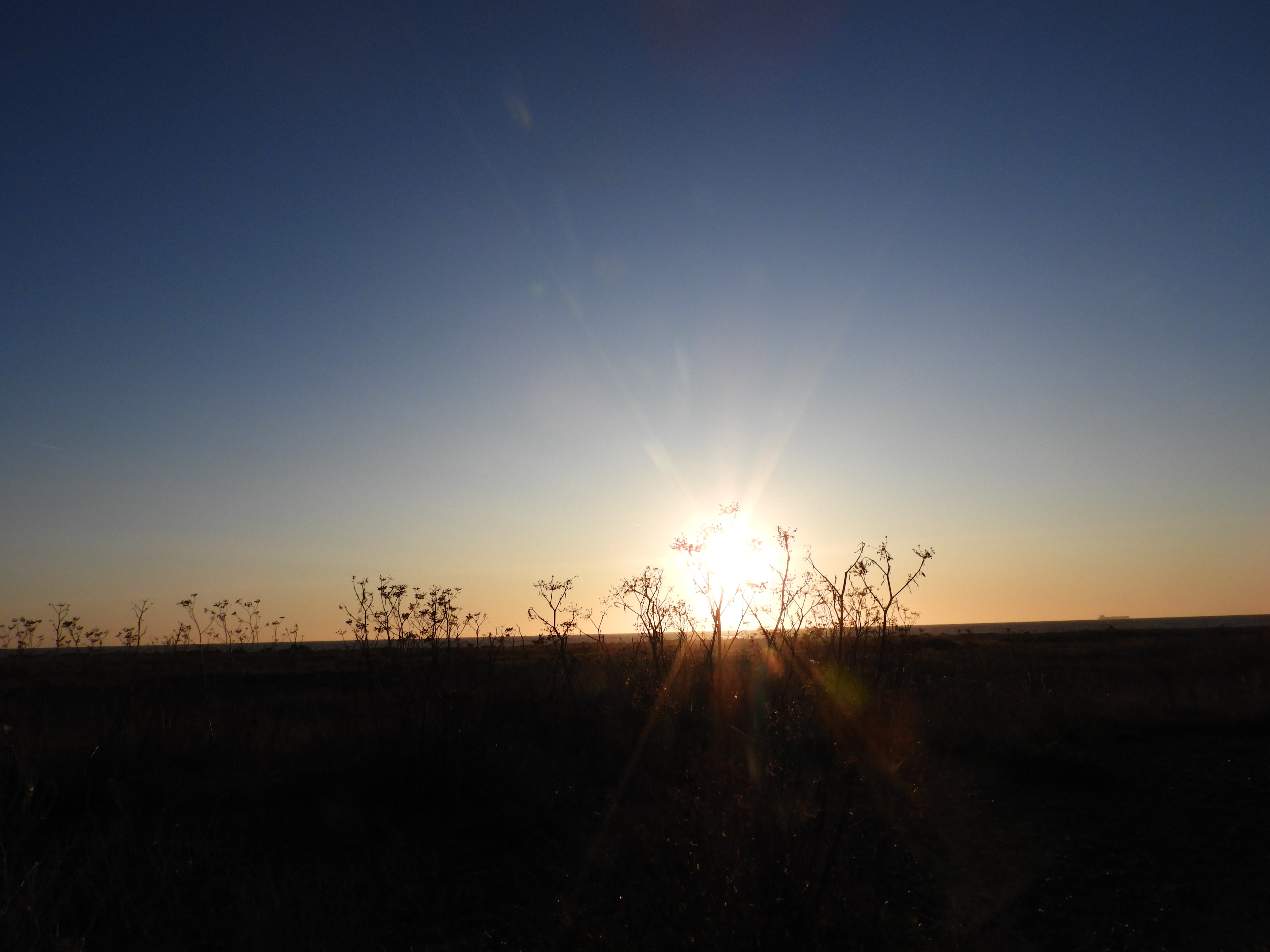
So it only leaves me to share with you a few images of the last Rays of Summer on the Suffolk coast.

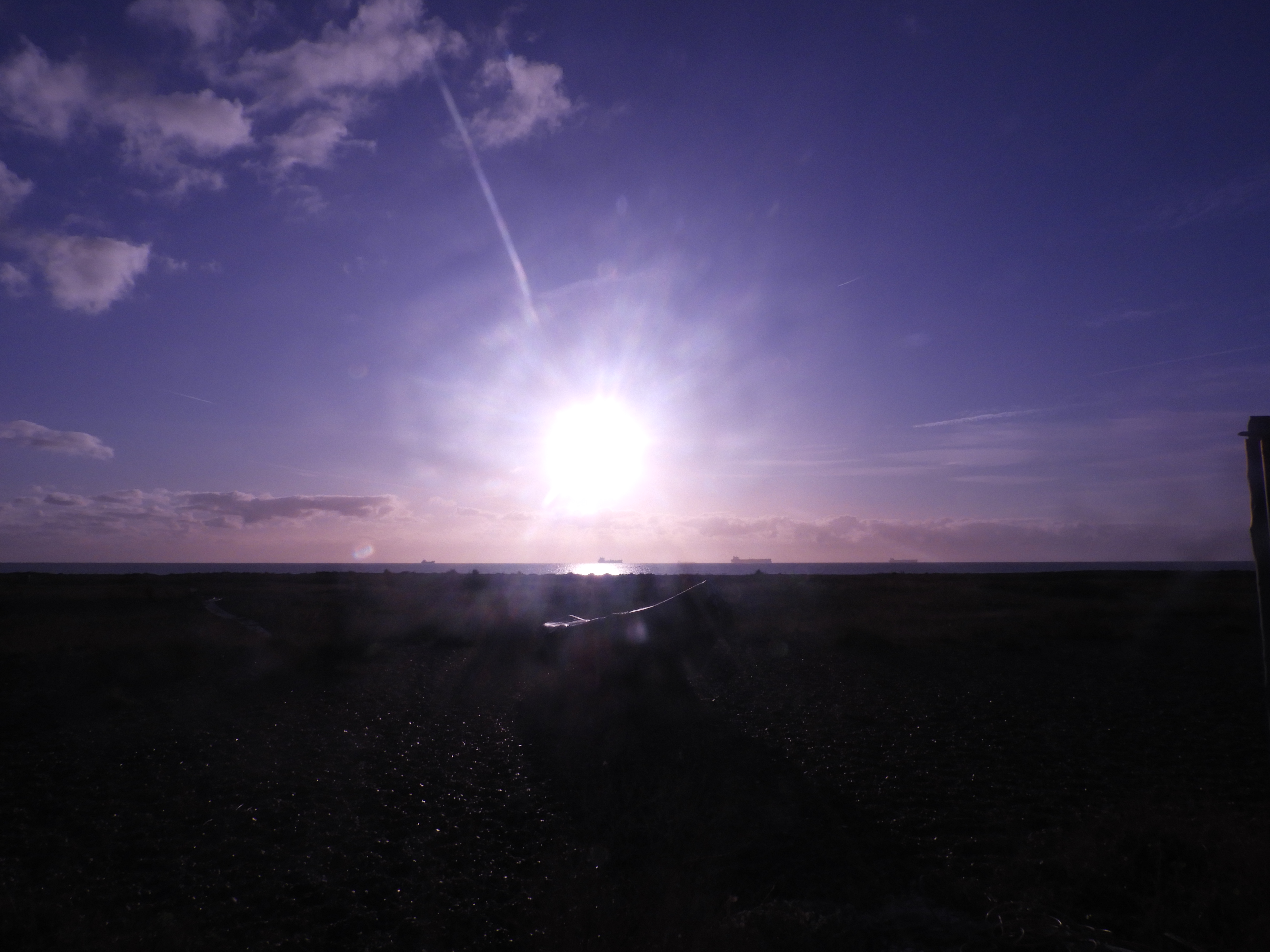
DSCN7906Sunrise from Kessingland
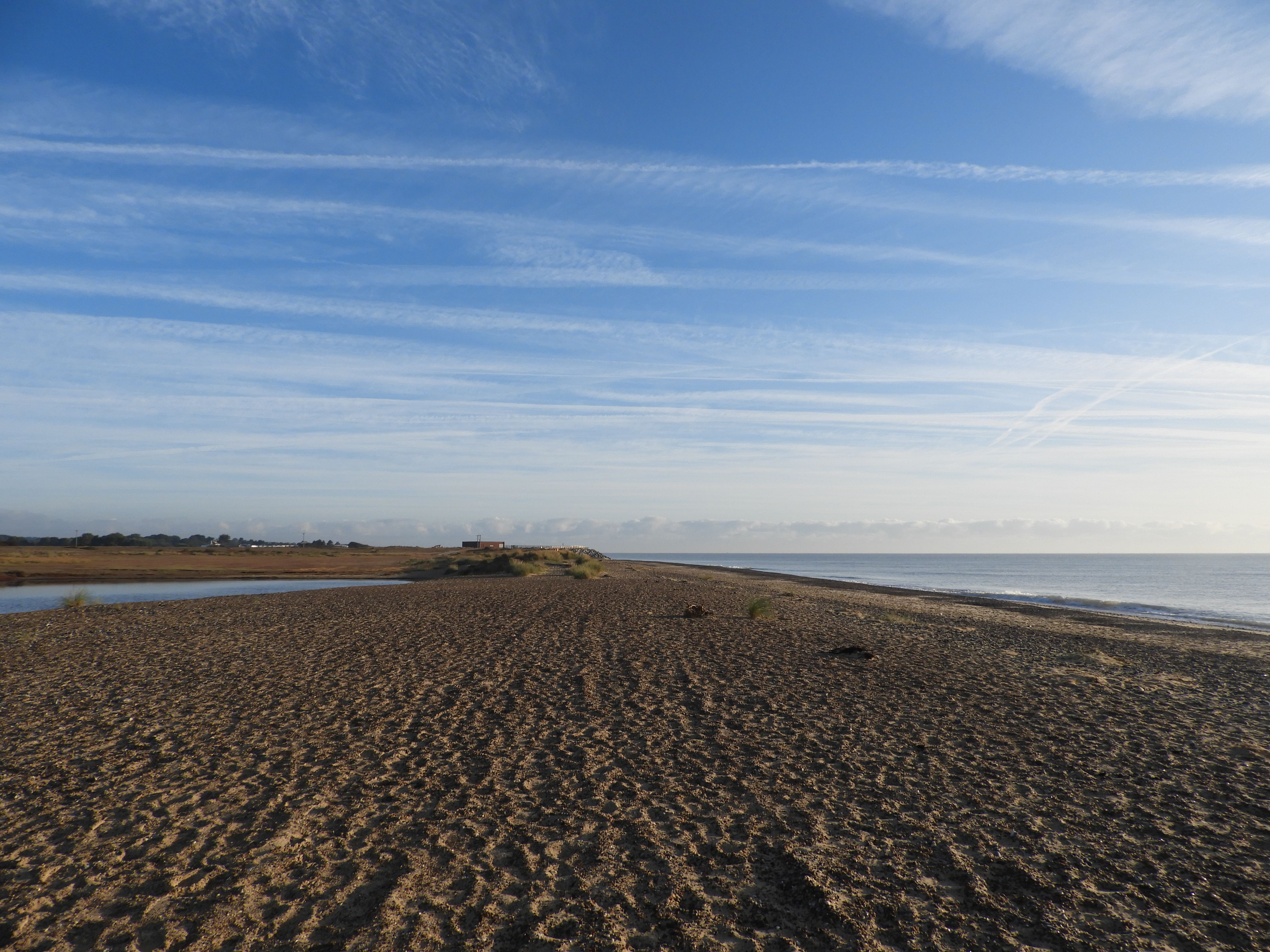
DSCN7798Benacre looking North to Kessingland
DSCN8081 Kessingland beach
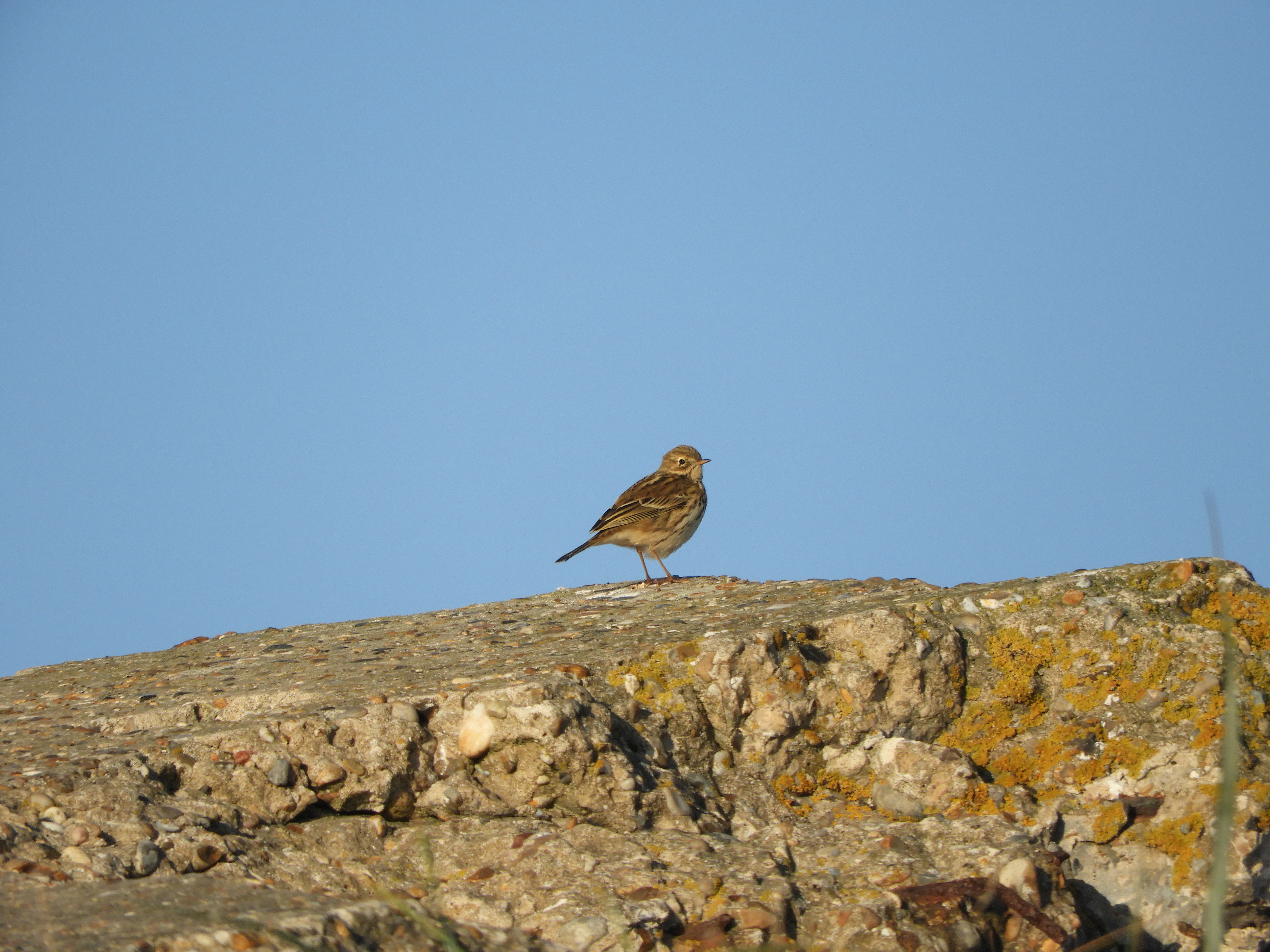
DSCN8012Meadow pipit
DSCN8060Wheatear
DSCN8006Wheatear

DSCN8082

East Anglia a region of variety

I have just spent a few days in North Norfolk and whilst there it confirmed to me what a great part of the British Isles we have here not only for living and working but also for pastimes.

For example the wildlife and in particular the bird life.

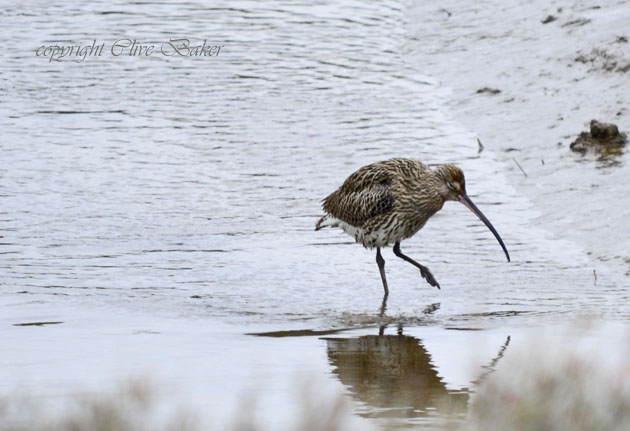
Wading bird with long curved down beak

Curlew at RSPB Ticthwell, North Norfolk

there are a number of nature reserves all over East Anglia and North Norfolk is one of the hot spots for seeing wading birds, with the RSPB reserves at Titchwell and Snettisham.

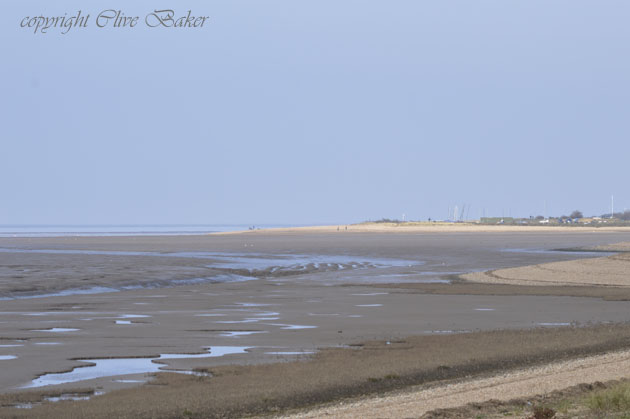
Vast beach

The Beach at Snettisham, a hotspot for seeing large flocks of wading birds.

Not only are there vast beaches but also woodland that attract walkers all year round and also sports events like Orienteering, sometimes these woods can be magical at first light all the more so in spring when they echo with birdsong.

light and shadow in woodland

First light on a spring morning in woodland at Sandringham

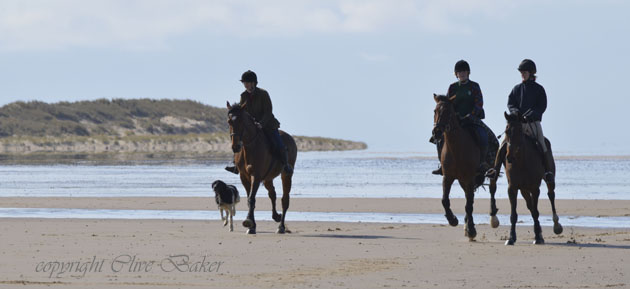
It is not only the people who live or visit the region that enjoy it but the animals they bring with them, horses and dogs love the freedom of the beach and the many footpaths.

Three girls on horseback with dog running on beach

Horse riders and pet dog gallop on Holkham Beach

From beach to woodland, there are many places in our region to enjoy at a gallop or just an easy walk, if paradise was East Anglia I would go tomorrow.

Three walkers on beach

A gentle walk on Holkham beach, Norfolk

Spring in my step

Unfortunately my website blog has had to take a back seat these last few weeks due to my wife having an accident, so family life has been priority these last 4 weeks, she is recovering well and I feel now we are into Spring and we have had a few warm sunny days this has helped her recovery and lifted not only hers but everybody’s spirits.

You only have to walk in the East Anglian countryside at the moment at any time of the day and the birds are singing (I heard my first chiffchaff today) and flowers are opening, blossom is out on the trees and I have even seen hawthorn leaves starting to open.

In the spare hours I have had I managed to get out and take some images, so I shall share a couple here today.

But as a warning in about the weather we are not quite out of the woods yet, I can see in my copy of the book ‘ The Carlton Colville Chronicles of Canon Reginald Austus Bignold ‘ the Canon had entered March 19th 1915 It has been snowing heavily for twenty-four hours “, Well 100 years ago it may have been but you never know.

Round spiky seeds hanging down from branches

The seeds of a plane tree against the Spring sky

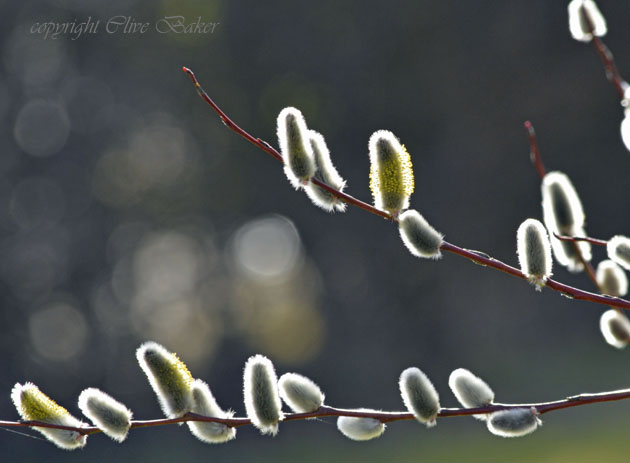
Large catkins backlit by sun

Catkins of the pussy willow

Two heads of reedmace

Reedmace often called bulrush by mistake

Male Blackbird on branch

Male Blackbird one of the many birds singing early in the mornings in Spring.

The Spring Collection

This last weekend saw the East Anglian counties touched by the first taste of Spring, a Sunny day and warmth in the Sun not only brought out the sound of lawn mowers but sightings of Brimstone and Peacock butterflies, even the odd Queen bumblebee out of hibernation from the old mouse-hole where she would have spent the winter.

But if you have not heard it is the birds that are hailing that the days of Spring are on the way, Song thrush, Robin and Blackbird are the early risers singing their hearts out in the darkness before dawn to be joined by dunnock and wren as the sun creeps over the eastern counties.

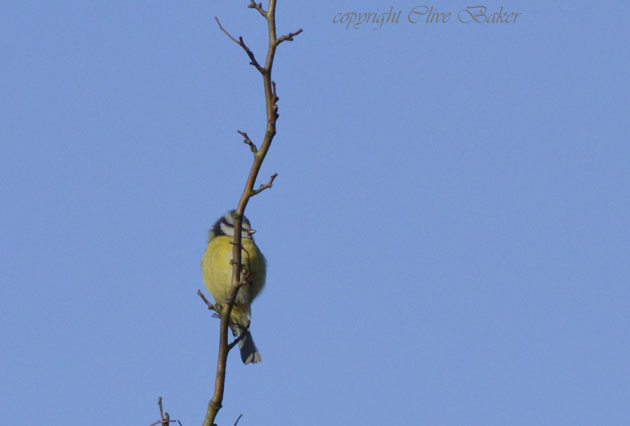
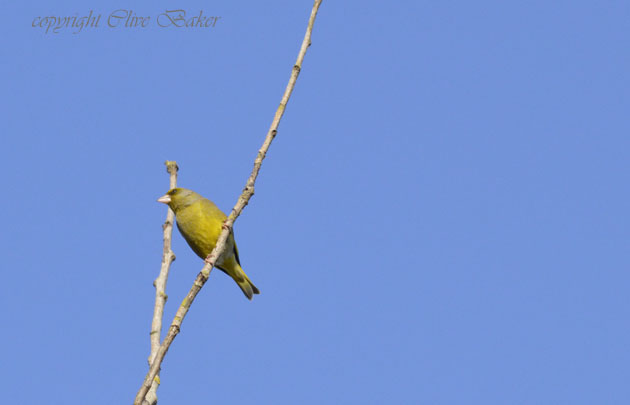
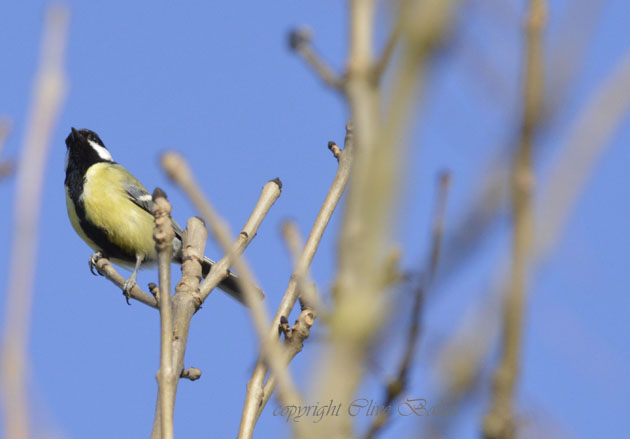
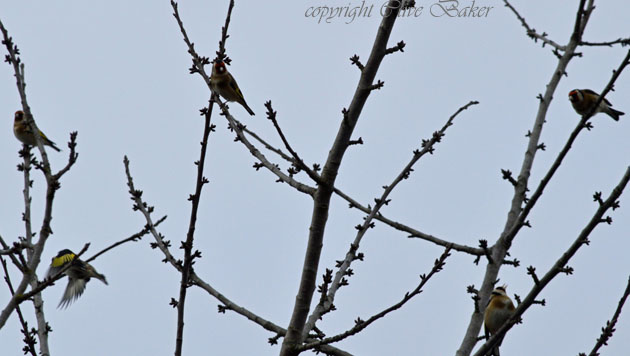
And whilst many a bird watcher is waiting for the Spring migrants to arrive our own resident birds are displaying not only their fine voices but also how splendid they are looking in their plumage  in a few months the chores of raising a family will leave them looking not so fine and dandy, but for now enjoy our wildlife as they prepare for Spring and as a taster here is  just some of the birds displaying their Spring collection on natures ‘Catwalk’

Blue tit singing

Blue tit

Greenfinch Singing

Greenfinch

Great Tit singing

Great Tit

Robin singing

Robin

Flock of Goldfinches

A charm of Goldfinches

View from the train

I am always amazed at what you can see when traveling by train, I am also amazed at what most of the other travelers miss.

Take this week on my 20 minute train journey from Ely to Cambridge I can get quite a total on my list, it is almost like traveling in  a mobile hide so far on Monday’s journey home I listed 1 buzzard, 12 roe deer, flock of fieldfares, 1 marsh harrier and 1 female merlin.

The following morning, two roe deer, 1 barn owl, in the evening trip home, roe deer and marsh harrier, this morning 1 buzzard, 1 barn owl, now take in to account it is only just getting light by the time we are approaching Cambridge in the mornings I am expecting the list to get better as the mornings get lighter.

I am sure there is more that I miss, but I always enjoy my train journeys as I can wildlife spot even if the train can be a bit packed.

Common Buzzard in Flight

Common Buzzard

Birds behaving badly and Strangely

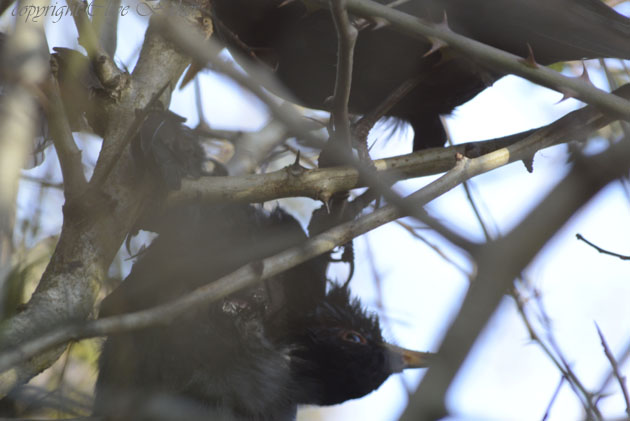
Yesterday morning I was walking the dog when I heard the sound of a blackbird it was the alarm call but seemed quite slow and low in looking closer into the hedge I could see it was two males and the one making the sound was stuck by its wing in the branches of the hedge.

Two male blackbirds

Two black birds in hedge

At first I was thinking that one bird was trying to release the other but could see the upper blackbird was attacking the one stuck and was trying to peck at its eyes.

Male blackbirds fighting in hedge

The upper blackbird was getting the upper hand

This was obviously Male blackbirds fighting to establish a territory or one of the males defending its territory, as we are getting near the nesting season I was guessing this was more to do with breeding than over food, the upper bird flew off when it saw me and the bird stuck in the branch was looking exhausted.

Lone blackbird stuck by wing in hedge

The Stuck bird was exhausted.

The bird hung there by its wing and after a while it started to breathe heavily, once or twice it tried to free its self and soon became weaker, I am afraid I could not leave it there but it was hard to reach but with the aid of a stick I managed to move the bird upwards and it flapped about as I tried to free it, I did succeed and it half flew and half fell into the garden beyond, I do not know if it survived but I gave it half a chance.

Nature can be cruel at times and birds will fight to death over territory, but sometimes they can be amusing like the blue tit that insists in coming in to our garden and for the last two years has been attacking or courting I am still not quite sure its own reflection in a window, I have managed to get this on film and excuse me at the beginning but wait 40 seconds for the blue tit to appear and you will see what I mean.

The Fens made in Scotland

Looking from bridge over river

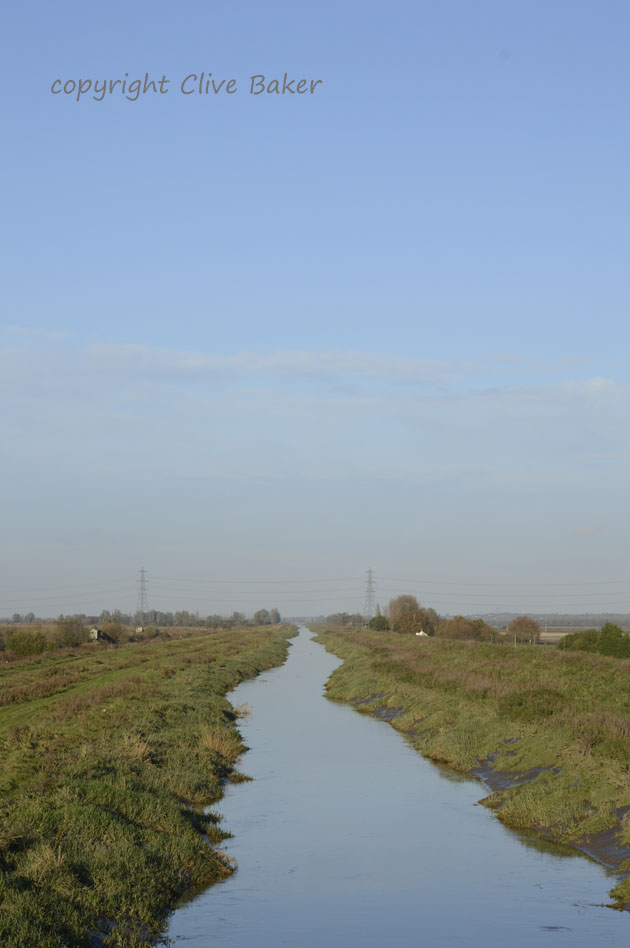
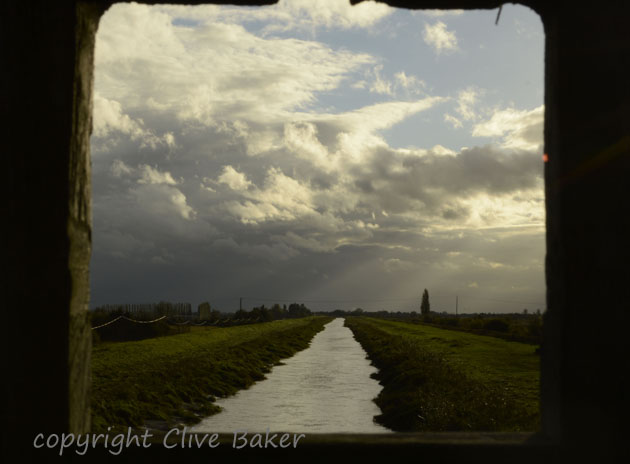
Looking North over the Bedford New Cut, Welney

Looking over the fens of Cambridgeshire and Norfolk today it is hard to imagine that the landscape was created by the hands of men with the basic tools of a wooden spade and a woven basket to move the earth.

The draining of the fens began around 1631 when the first drains were cut to channel the water from the vast wetlands, this was a landscape where people used boats to move between villages as there were few or no roads, the people who lived here did not want their way of living changed so the early group of gentlemen adventurers who were financing the drainage found it hard to get local labour to carry out the scheme.

I suppose you could say their salvation came from the English civil war in the form of forced labour using prisoners, like around 500 dutch sailors taken from a sea battle off Portland Bill, but the majority of the prisoners they used were Scottish soldiers who fought against the parliamentary ‘Roundheads’.

Many of these prisoners were held in gaols and were forced marched from places like York to the fens to start the digging of drains and straightening and deepening of existing rivers to increase the water flow and digging of new large new drains like the Bedford New cut 21 miles long.

They were made to wear white course wool suits to make them stand out as prisoners, they lived in wooden huts that were dismantled and moved along as they dug out the drains.

Life was hard as they dug and carried their baskets of mud to create the banks, many died of exhaustion, bronchial or malaria related diseases in the harsh landscape of the fens, as it was costly to move any bodies to graveyards the bodies were buried in the banks of the drains.

The Scots were preferred to be used  for this work as they were hardy and came from a land where the conditions were like those of the fens even if the landscape was very different, many managed to escape and were helped by local fen folk who were opposed to the draining, an escaped prisoner was not pursued if they managed to get as far north as the River Trent.

After the end of hostilities many were released and returned to their native Scotland, but others stayed and married local women.

As you look today at the banks they created you will notice the flat tops, by doing this they had made walkways to make getting around the fens easier, they also made roads on the reclaimed land so really we have a lot to thank these men for as we travel with ease around the fens, perhaps we may pass by the forgotten body of one of the thousands of Scots who died creating this landscape one that we could say was ‘Made in Scotland’

Bedford new river from bridge

Bedford new cut from footbridge at WWT Welney

Collective Nouns for the countryside

This Friday we have one of our Local Wildlife group talks in Ely, Unfortunately the person how was going to do our talk has been taken ill, so Helen one of our committee members has jumped in at very short notice to do a talk on “Poisonous plants – a question of degree!”

Man has known of and made use of poisonous plants for both good and evil for thousands of years. Amongst those assassinated using plants were Socrates in 402BC and much more recently George Markov. Others have died accidentally, yet many have been grateful for the medicinal effects of poisonous plants. The talk will include a few surprises and possibly some unexpected serious warnings.

So I am looking forward to hearing Helen’s talk, but as Helen’s husband Terry had hosted our January talk this started to get me thinking perhaps I should have a talk just in case we are in this situation again in case the speaker booked for the evening is taking ill and we need to step in.

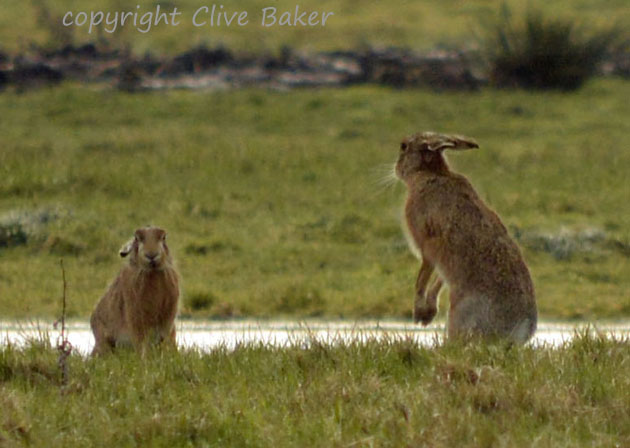
I have not actually done a talk on a subject only lead the hare walks and done swan feed and talk at WWT Welney, so maybe base one on the ‘Hares’ so I started looking in my books and more information on hares and started looking at facts and found the collective nouns for hares and was surprised, for example a group of hares can be  a Drove (very apt for the fens), husk, trace or trip, two = a brace and three a leash.

Then I started looking at others and could not stop, so here goes:

Ferrets – Business

Moles –  Labour ( only really get together for mating, usually solitary)

Rabbits – Nest

Coots – Covert

Curlews – Herd

Ducks – Team (in flight) or Paddling (on water)

Herons – Siege or Rookery

Jays – Band

Lapwings – Deceit

Mallard – Flush

Nightingales – Watch

Partridges – Covey

Plovers – Congregation, flight, wing or stand

Pochards – Rush or flight

Rooks – Building or clamour

Snipe – walk or wisp

Sparrows – Host or tribe

Swans – Herd or team

Teal – Spring, coil or bunch

Wigeon – Company

and Woodcock – Fall or flight

These are just a  few and all can be found in East Anglia, so next time you are out and about and see a collection of the above, impress your friends and family with your collective nouns of the countryside.

Two hares facing each other

a brace of hare