Daily walk

It may be starting to feel a bit like Groundhog Day with social distancing and only being able to have one period of exercise a day in the form of a jog, cycle or as in my case a walk incorporating the dog’s first walk of the day, but at least we have been blessed with dry and warm weather these past few days. As I said in my blog yesterday my daily route is now becoming bit of a ‘ Local Patch’ with me, however it does amaze me although the route is the same and in cases at the moment so are some of the birds, Sedge warbler, Reed bunting, Whitethroat and I have never had a year where I have seen so many Grasshopper warblers.
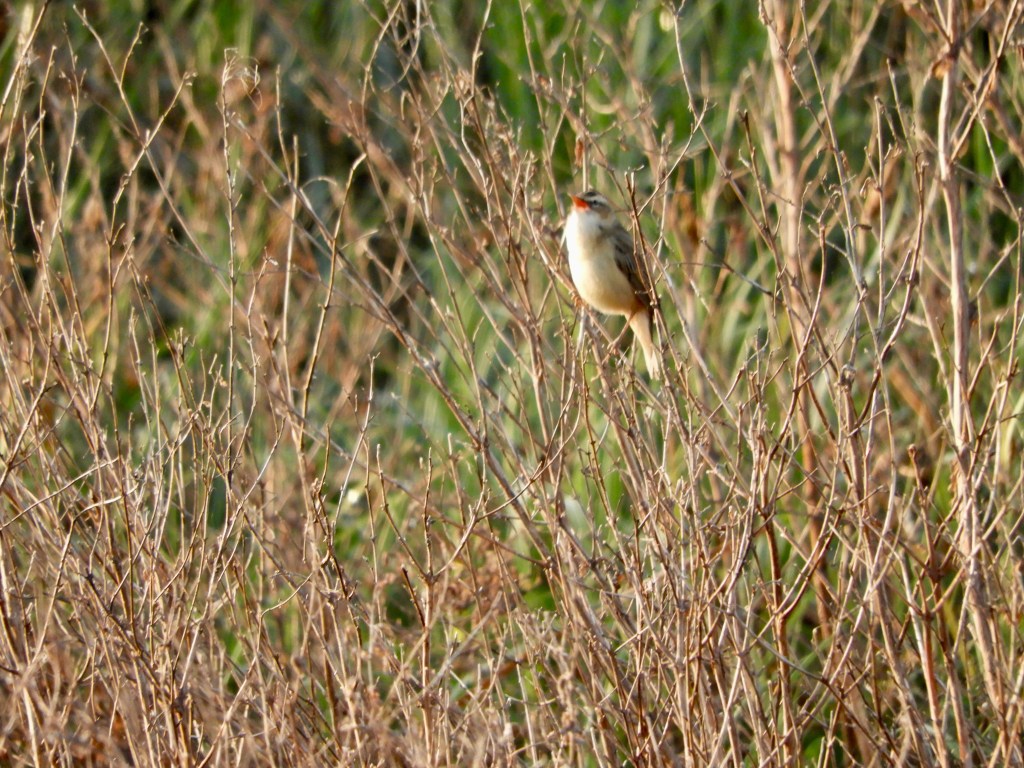
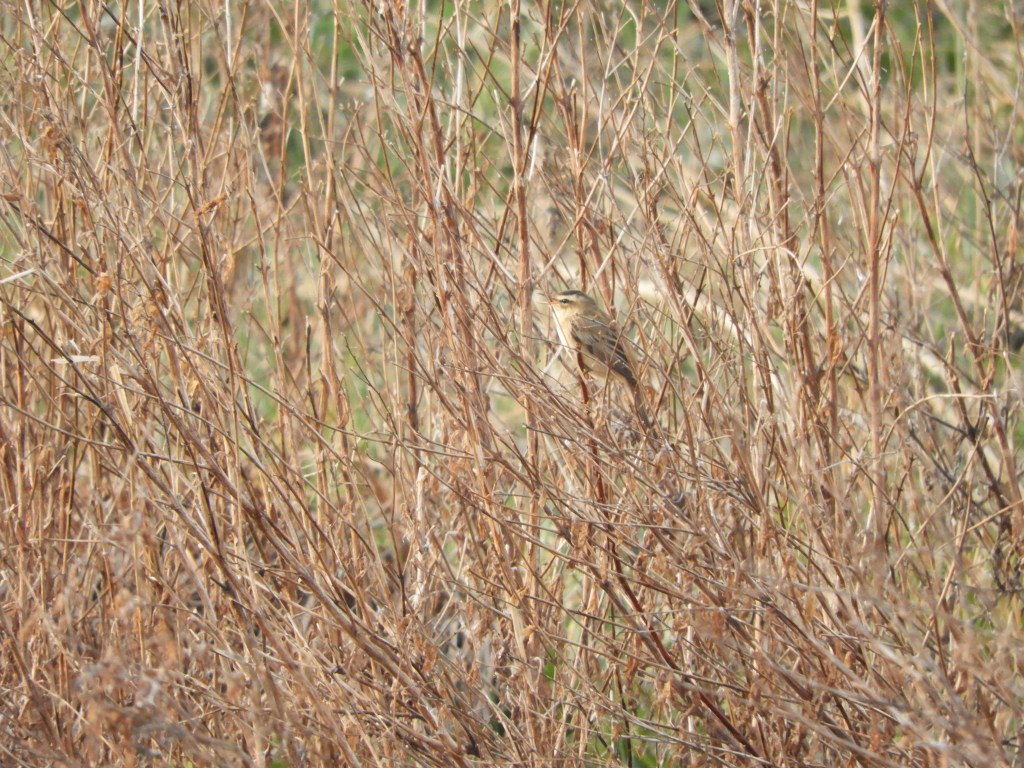
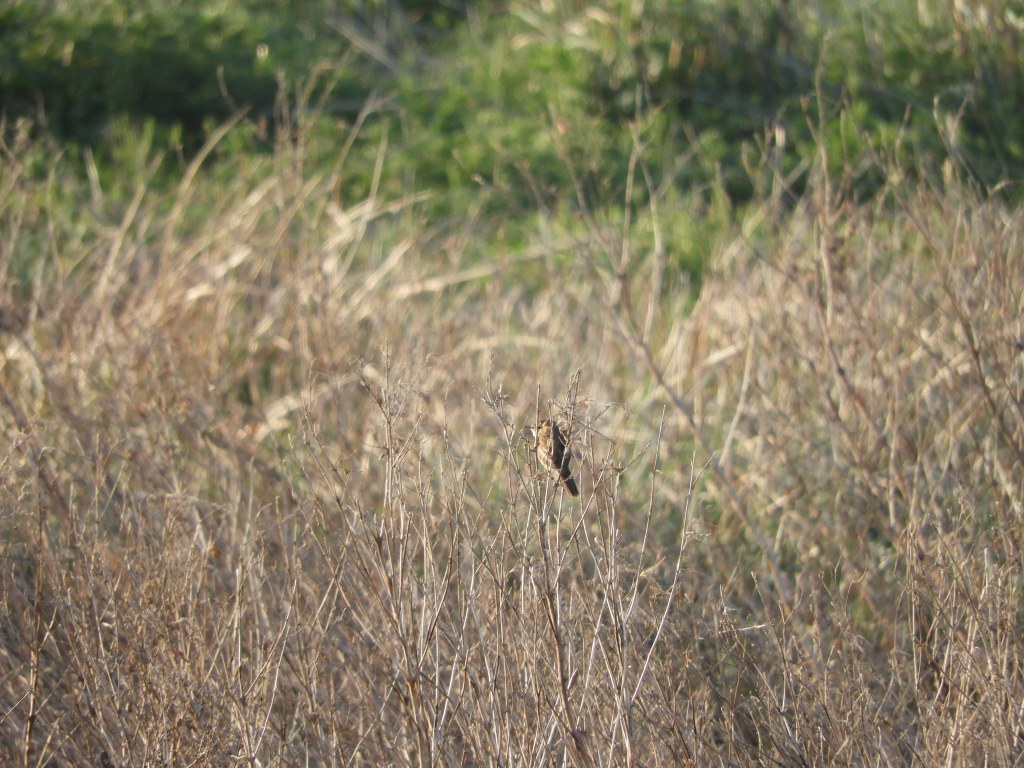
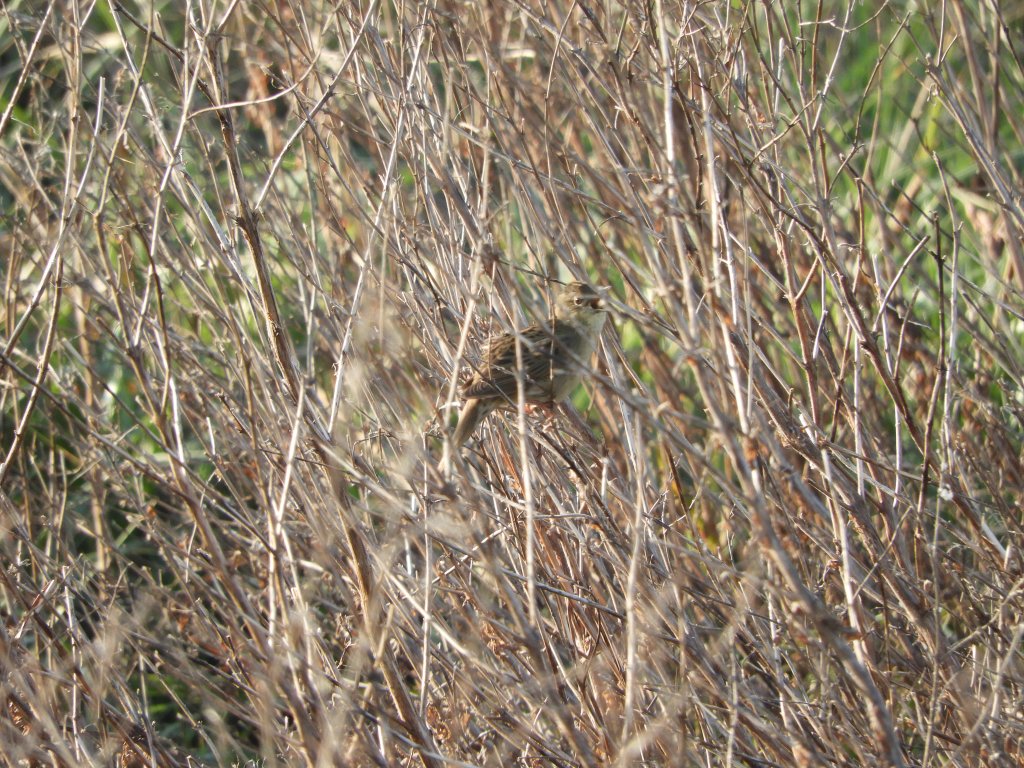
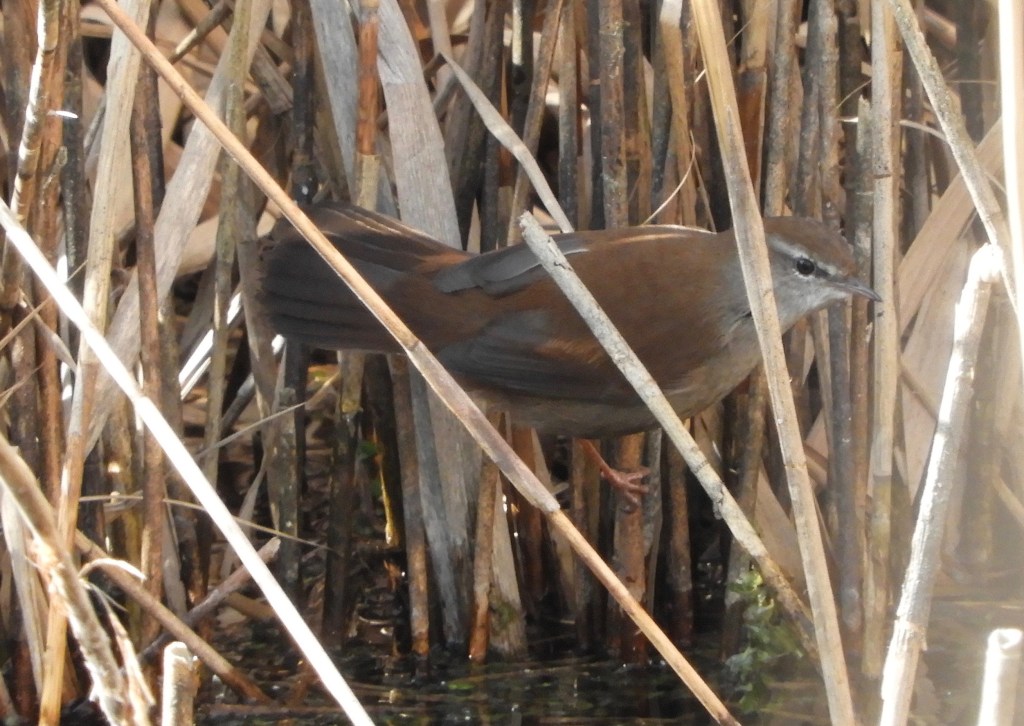
Sedge warbler today

But some birds and mammals are only making an appearance now and again, for instance there were no Roe deer today whereas I nearly always see at least two or three, for the second day in a row I saw Barn Owl but this is the only time in these last 14 days that I have seen two individuals, one of them appears to be slightly darker than the other and they were both hunting in separate areas.

Barn owl hunting

The first and lighter of the two Barn Owls was at the 2 mile mark on my route, almost ghost like in the morning light, at first it was ahead of me along the footpath flying low along the bank, twice it dropped down on to the ground, perhaps it had managed to catch a vole?, but it seemed to take off again with out any reward, it then crossed the river and started coming towards me on the opposite bank, as it was almost level with me I had to shield my eyes against the rising sun which highlighted the Owls wing feathers making it all the more ghostly, a mallard drake on the footpath seemed curious as to what the Owl was looking for.
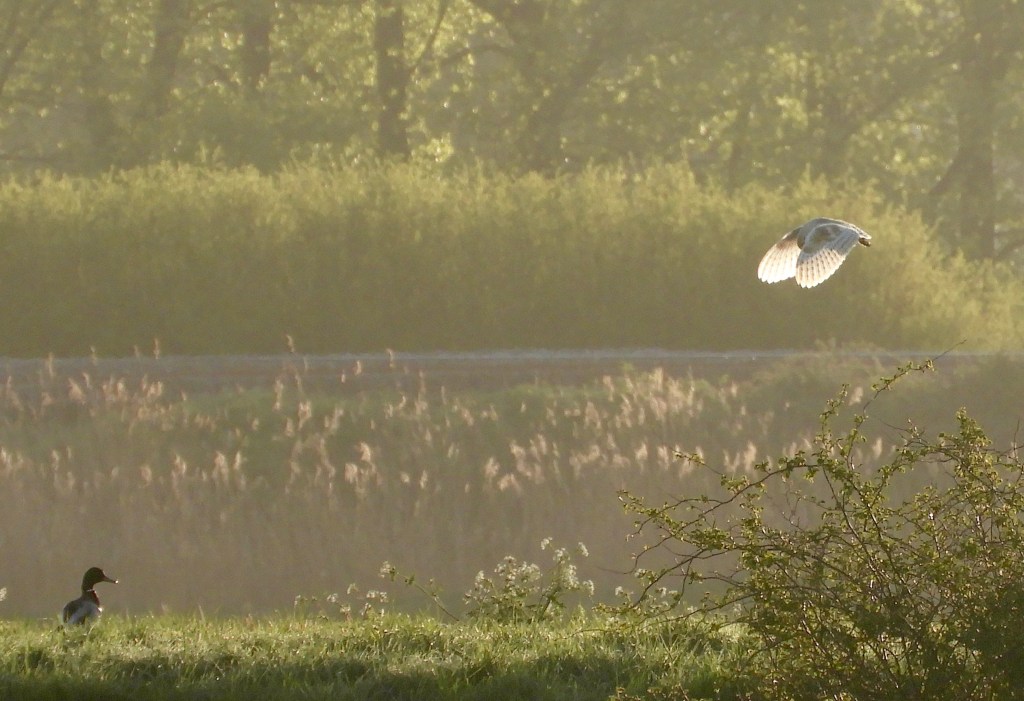
Mallard and Owl

The Owl carried on North along the river looking for any movement below, it carried on until it reached the railway bridge then promptly turned and headed South again along the river, it paused at times in a slight hover and I watched it disappear along the opposite bank, I have been transfixed by the Owl and it was almost as if someone had turned a volume switch up as I became aware of the Sedge warblers and then a Grasshopper warbler.

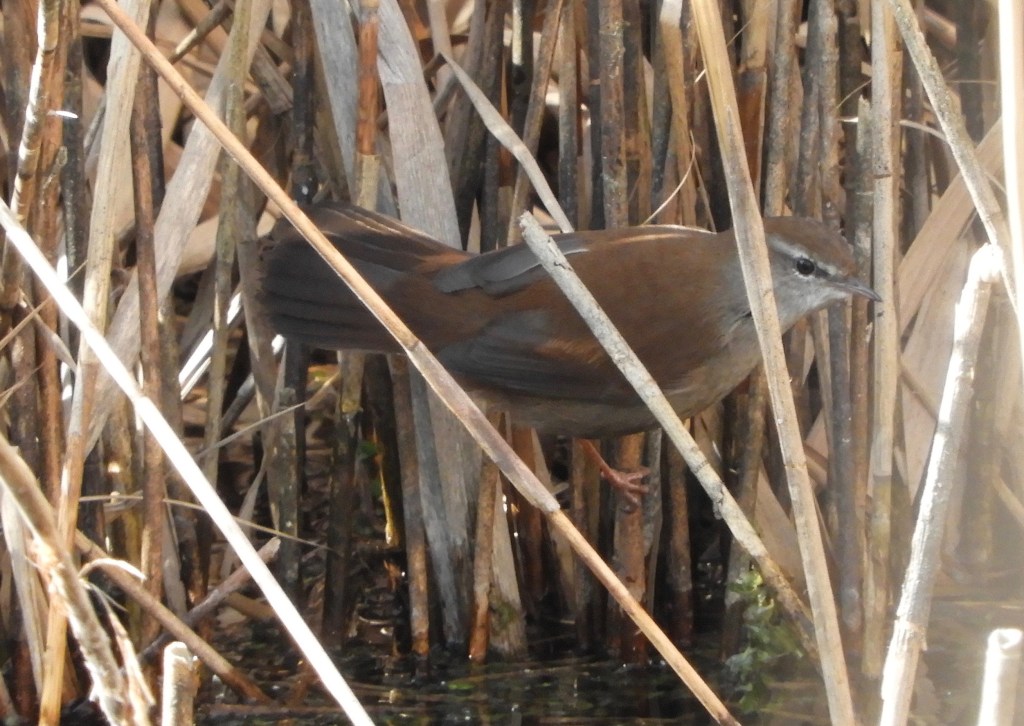
Grasshopper warbler

This has almost become a daily game now locating the Grasshopper warbler, cup one ear, cover the other (stand on the dogs lead to make him stay) and located, there he was low in the vegetation turning his head from side to side, I am really loving this little warbler and I am wondering if this is a record year for them.

Grasshopper warbler singing this morning

We got to the bridge that goes over a small dyke after locating another Grasshopper warbler, this is the point we turn back (Sammy now anticipates this), on the way back the Whitethroats are singing to my left, the Sedge and Grasshopper warblers to my right, just up ahead the distant call of a Cuckoo but no appearance this morning, we walk back along the path stopping now and then to look, listen and take in the morning as another day gradually wakes up around us, we cross the railway line at the small gated crossing, there are linnets on the path just on the other side of the crossing and a Whitethroat sings in the brambles.

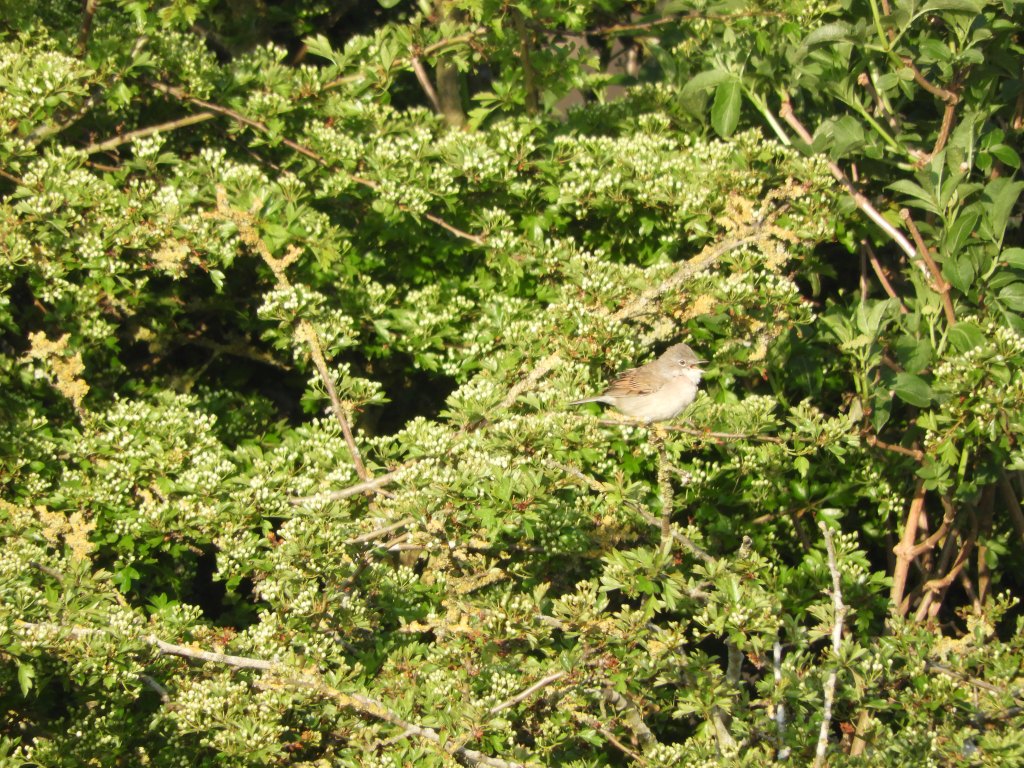
Whitethroat

We carry on along the path to the new bridge that takes the Ely Southern bypass over the railway lines and the river, as we emerge from underneath the bridge and walk beside a fenced off area of reedbed there is suddenly an alarmed call from an unseen Water rail and infact all the Sedge warblers have stopped singing, all of a sudden from behind us and to our right a Sparrowhawk flies low lazily over the reedbed to sit in a tree on the other edge. I am now a mile or so from where we turned round and I have retraced our route out and as I look in the distance there is the second, darker Barn owl hunting, almost a copy of the the first Barn owl in it’s pattern of hunting, unfortunately this one is also on the opposite bank and further ahead, but I am able to get close enough to get a photograph before it disappears Northwards over the road and along the river.
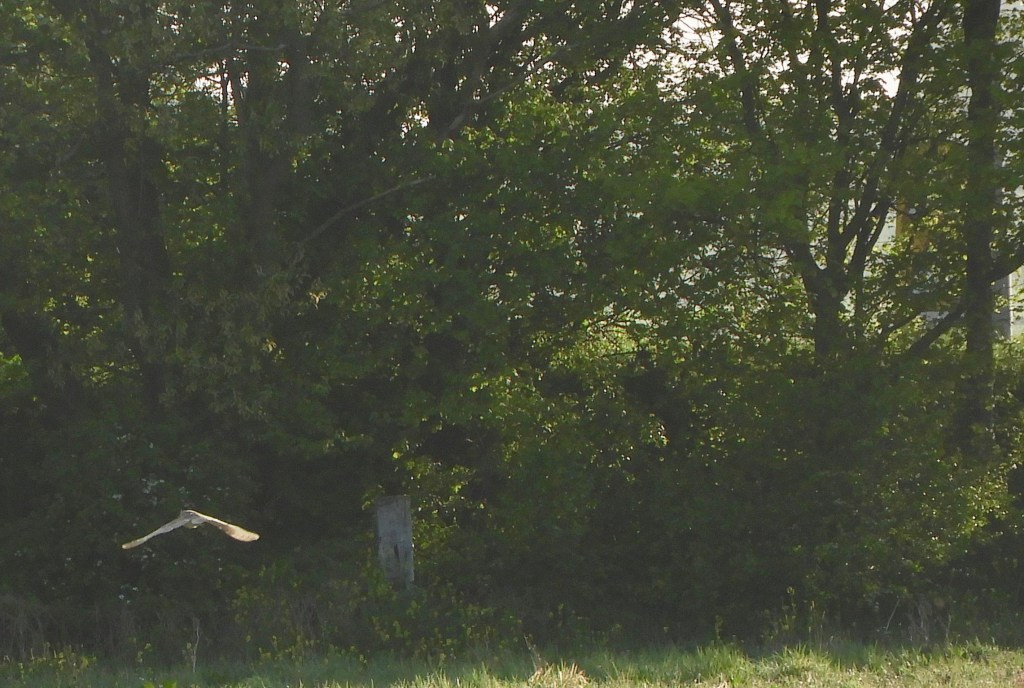
The second Barn owl

All in all another good walk to lift the spirits and face another day in lockdown, it is true that nature does give you a lift and hopefully more people have engaged with the wildlife and countryside close to them and I hope that it continues when all this is over, so I look forward to tomorrow and my daily dose of ‘natural medicine’ via my ‘Local Patch’.

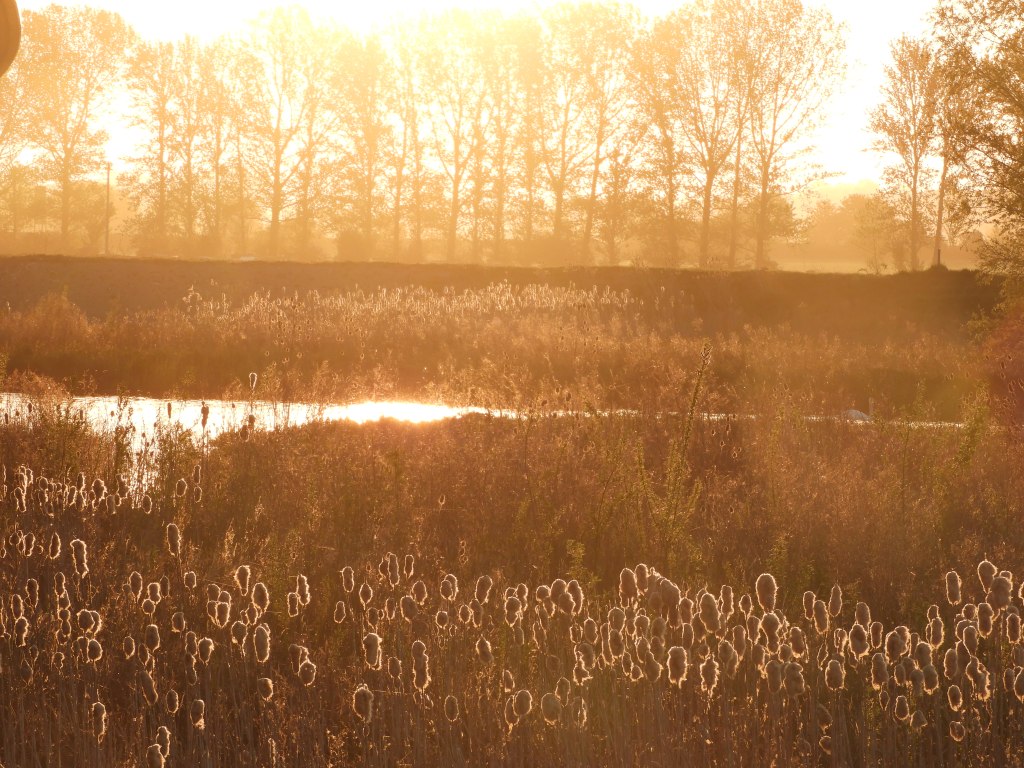
Our halfway point on our daily walk, where we turn around to retrace our steps.
Knowing your Patch

We are now in week 5 of the coronavirus lock down and my daily exercise is the first of Sammy’s walk of the day (He now is down to two, one with me and one with my wife, Sammy is very confused). As we are only allowed to do this one period of exercise I have now found myself doing the same route and back every morning, weather permitting, the thing is I have now found myself making note of everything I see on this route and actually find myself pushing myself to see something new.

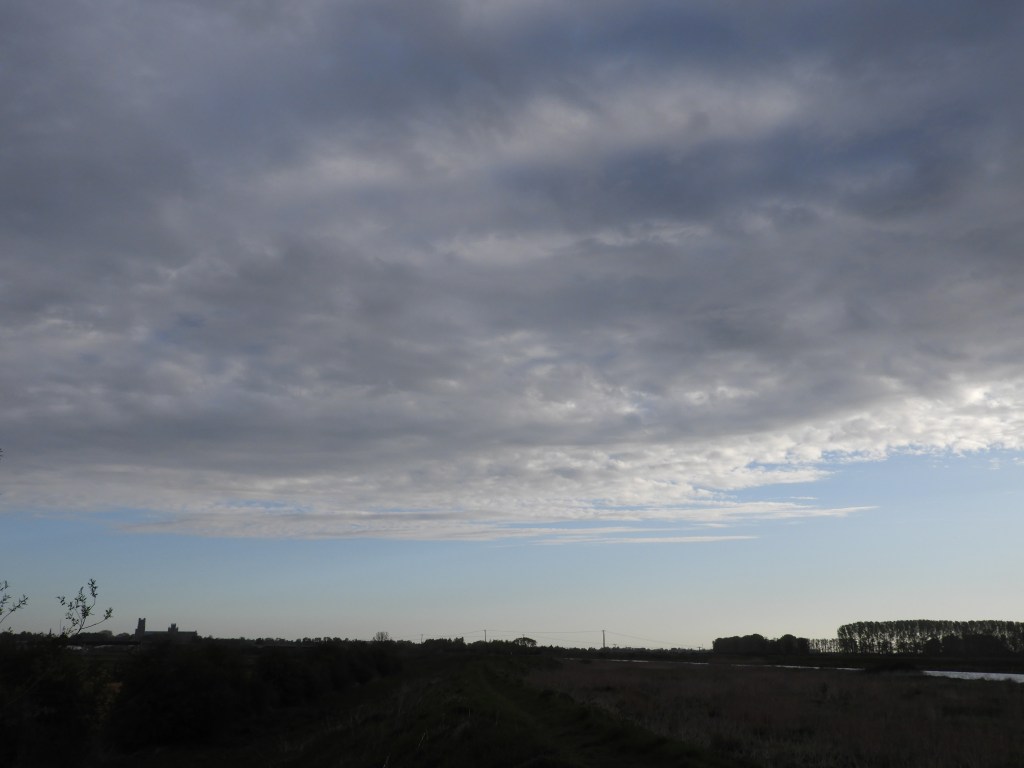
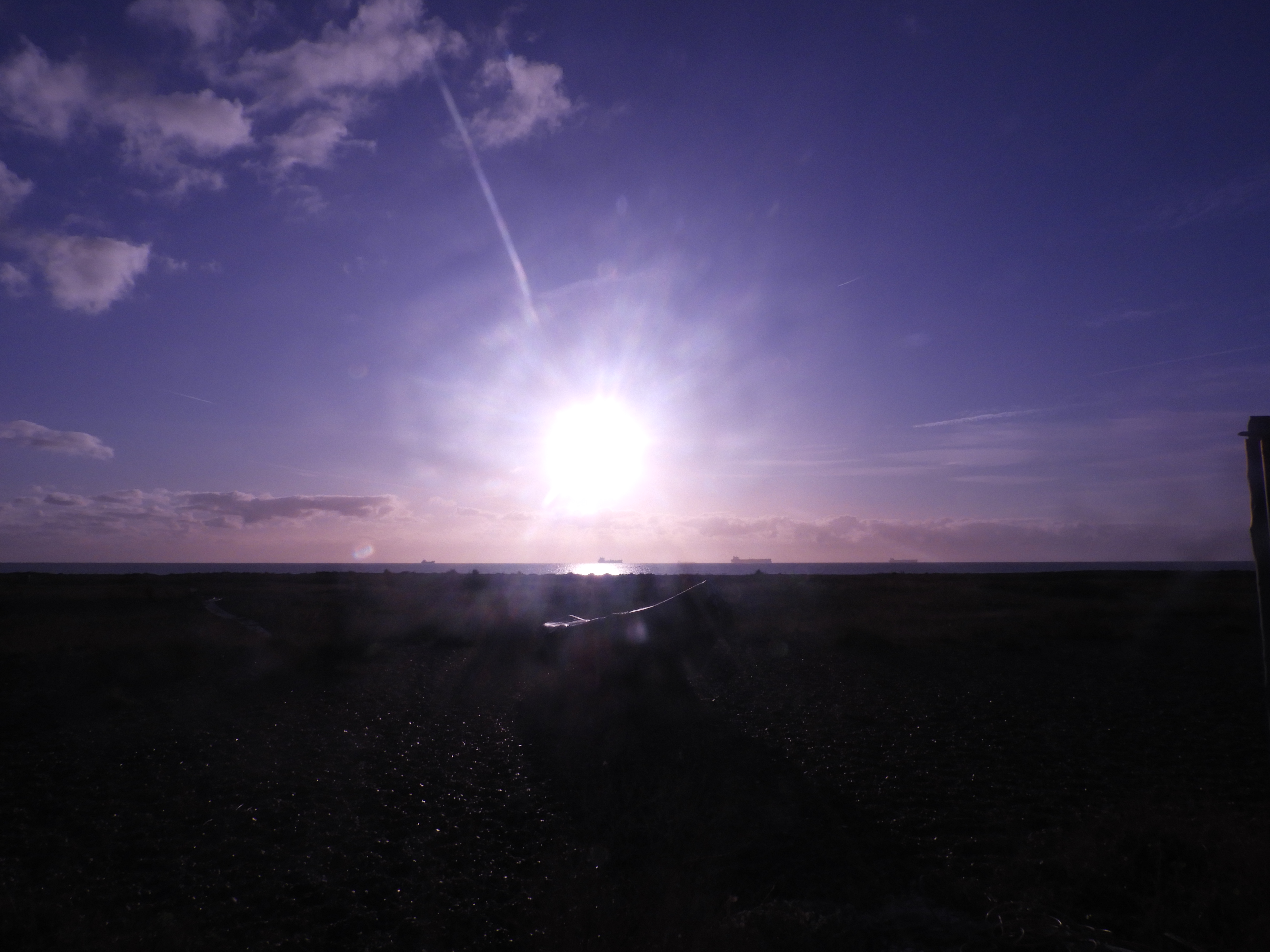
morning light on my route

In Birder’s terms I unknowingly have now created my own Birdwatching Patch, the whole concept is you regularly visit an area local to yourself throughout the year, ideally one that is not used as a regular bird watching area by lots of other Birdwatchers and you record what species you see in that area, some competitive people actually form a birders patch league and compete on the species of birds they list in their Patch, I guess they announce the winner at the end of the year, some even restrict the area of a Patch to be no larger than 3km. I am afraid I am not that competitive so I will just make a list of the species seen on this walk.

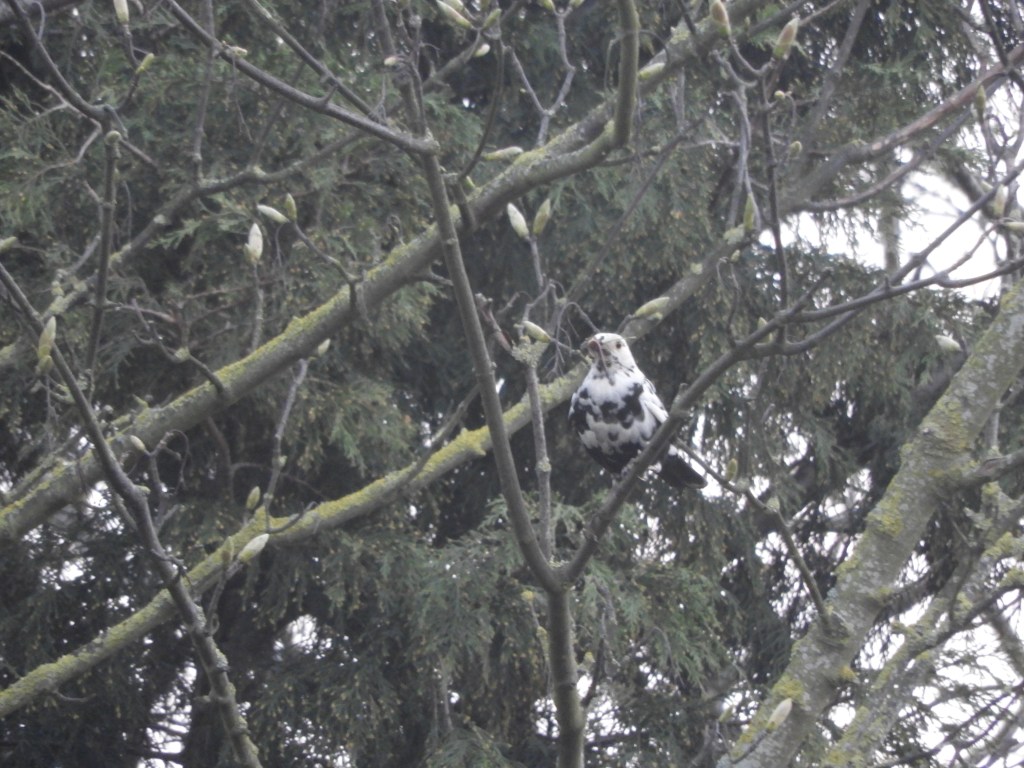
Male Blackbird with Leucism

I actually started walking this route on April 9th, and the first bird I saw was a leucistic blackbird (partial loss of pigmentation), that is if I start listing from my front door when I left to my return home which is all part of my ‘patch walk’ route.

Female Reed bunting

Also on this morning I managed to see Wren and Reed bunting, and started to hear my first Sedge warblers of the year then actually saw them later into the walk, this was also the morning of two Barn Owls hunting, as well as keeping a mental note of what I am seeing I also try to take photographs to record as well.

Sedge warbler

So already on my first day of this route I had added a new bird to my year list, the following day as well as seeing Sedge warblers and Barn Owl again I was able to add Whitethroat to my Year list and a new one for this Patch route, I have found in the last 12 days that I have been able to walk this route (one day was far too wet, so Sammy got a more urban walk), I have been able to add new species mostly birds to my year list and this Patch list.

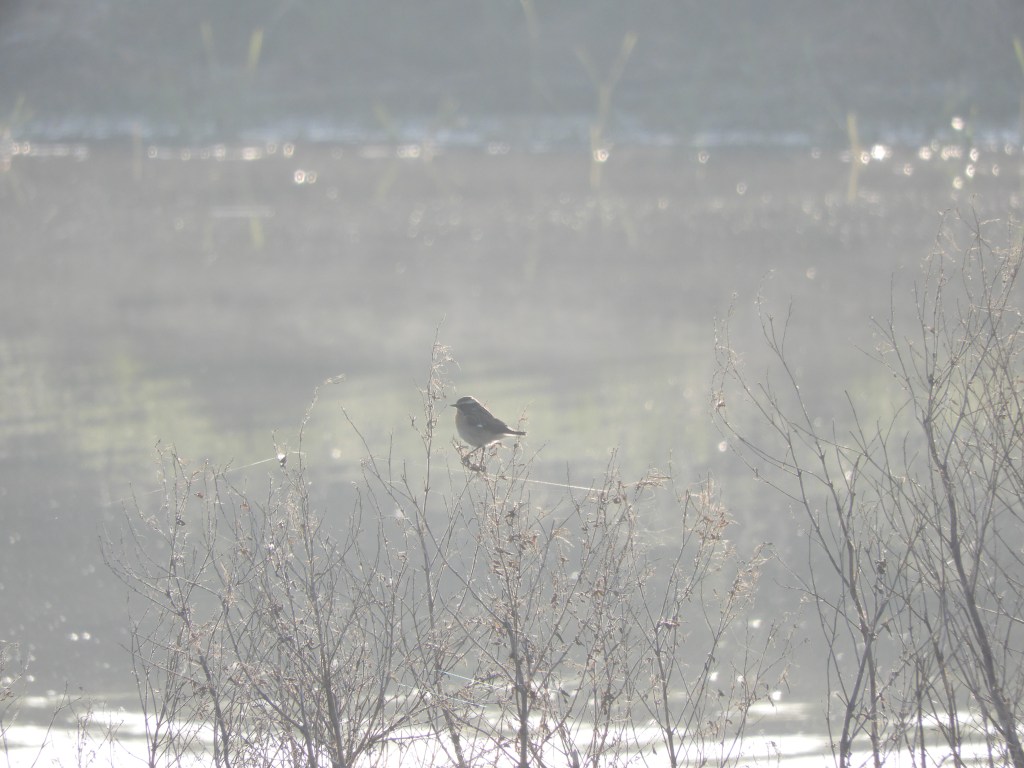
Whinchat

Not only does the Landscape change with Spring advancing and more leaves unfolding on the trees and hedgerows but so the sounds and the light seems to change everyday. Highlights for me so far have been Whinchat, Grasshopper warbler, Common tern and today a male Cuckoo, at first a call then a flypast. My list so far on this Patch route is:

Birds:
Barn Owl
Blackbird
Blue tit
Buzzard
Canada goose
Carrion crow
Cetti’s warbler
Chaffinch
Chiffchaff
Common tern
Coot
Cormorant
Cuckoo
Dunnock
House martin
Kestrel
Kingfisher
Goldfinch
Grasshopper warbler
Great crested grebe
Great tit
Grey heron
Greylag goose
Jackdaw
Lapwing
Linnet
Mallard
Meadow pipit
Moorhen
Mute swan
Pheasant
Red kite
Red-legged partridge
Reed bunting
Reed warbler
Rook
Sedge warbler
Shoveler
Song thrush
Stock dove
Stonechat
Whinchat
Whitethroat
Wood pigeon
Wren
Mammals:
Muntjac deer
Roe deer

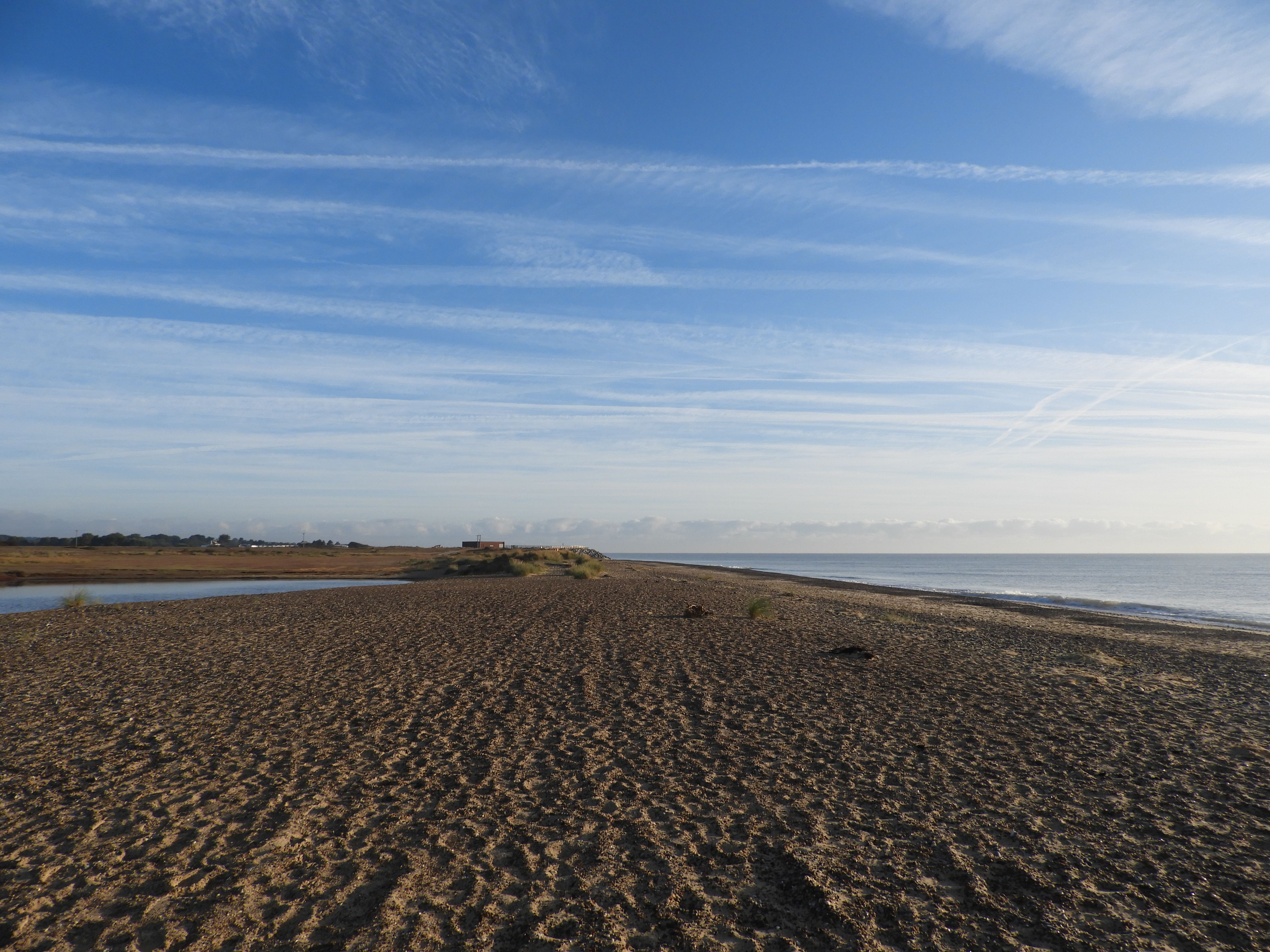
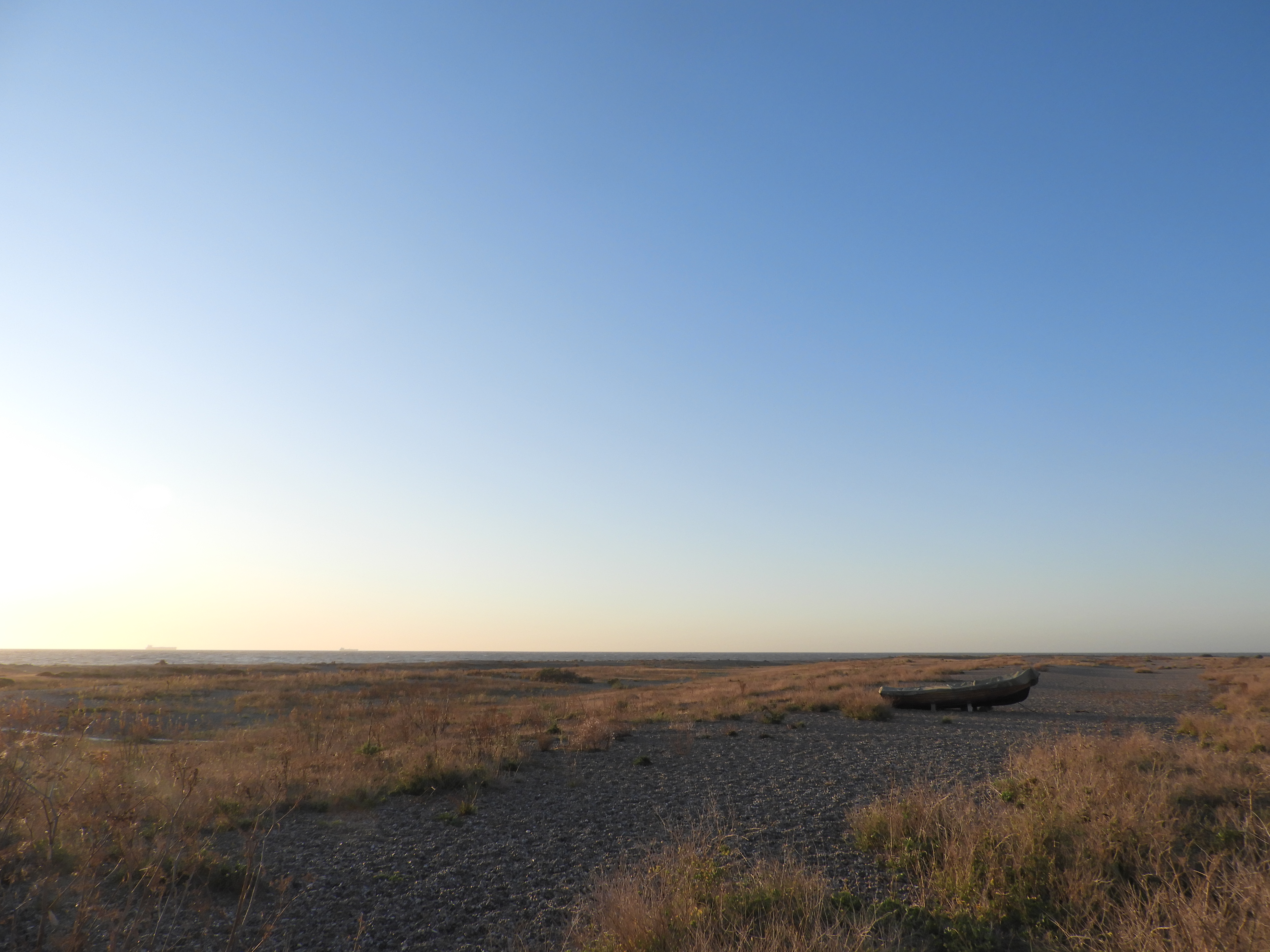
I will leave you with a couple more Landscape images

Looking East
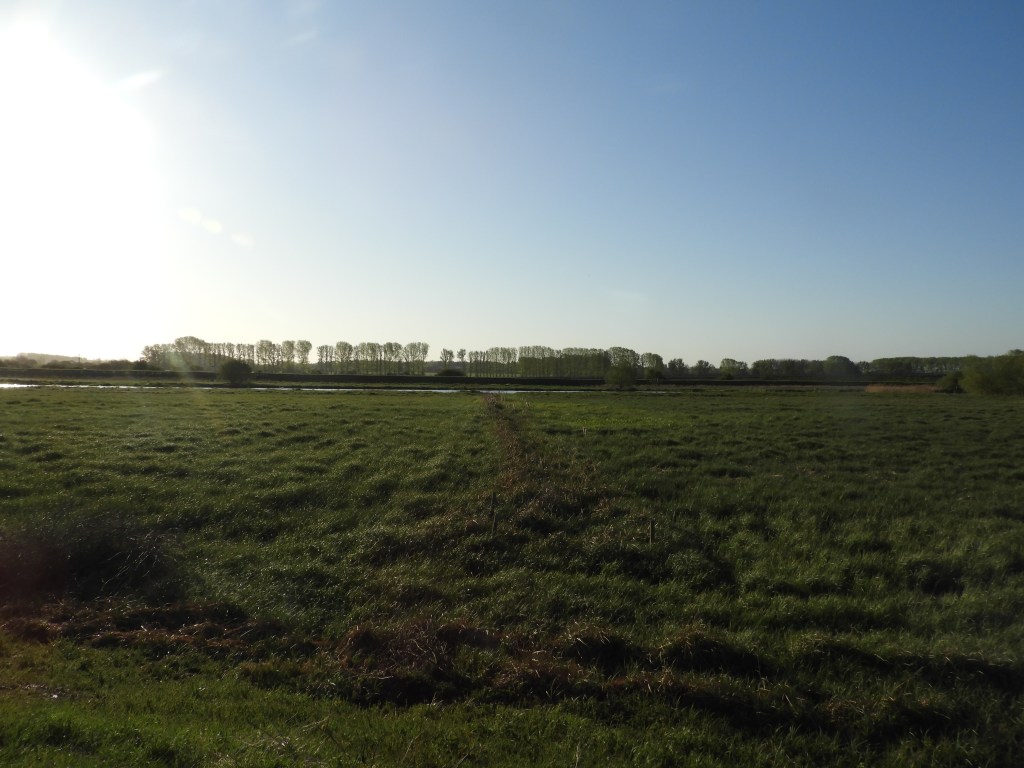
Typical Fenland landscape.

The Wren

Sometimes you can go a long time and not see a Wren, but these past few days I am seeing my fair share on my walks and in my garden, having said that I only usually see one in my garden but recently I have seen two, obviously this is busy time for all birds as they look for mates, build nests or as some of the early starters are doing feeding young.

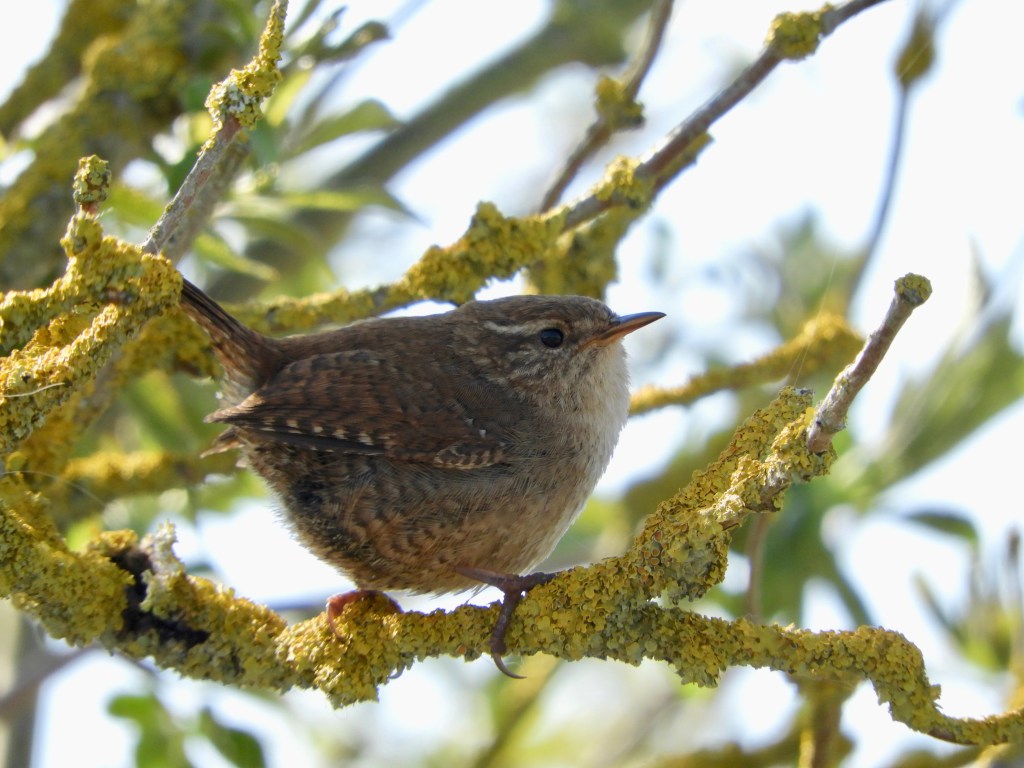
The Wren however although small at 9 to 10.5cm seems to be the loudest and the most active. Often low in undergrowth they can be seen in ditches, gardens and sometimes in tops of bushes and trees.

A singing wren

Usually a singing wren will be seen with it’s tail cocked and the body appears to be tensed as it puts all it’s effort into singing, loud and vibrant, it’s song is a warble that is fast and ringing with a little trill at the end. Usually it gives a harsh rattle when it is disturbed or alarmed.

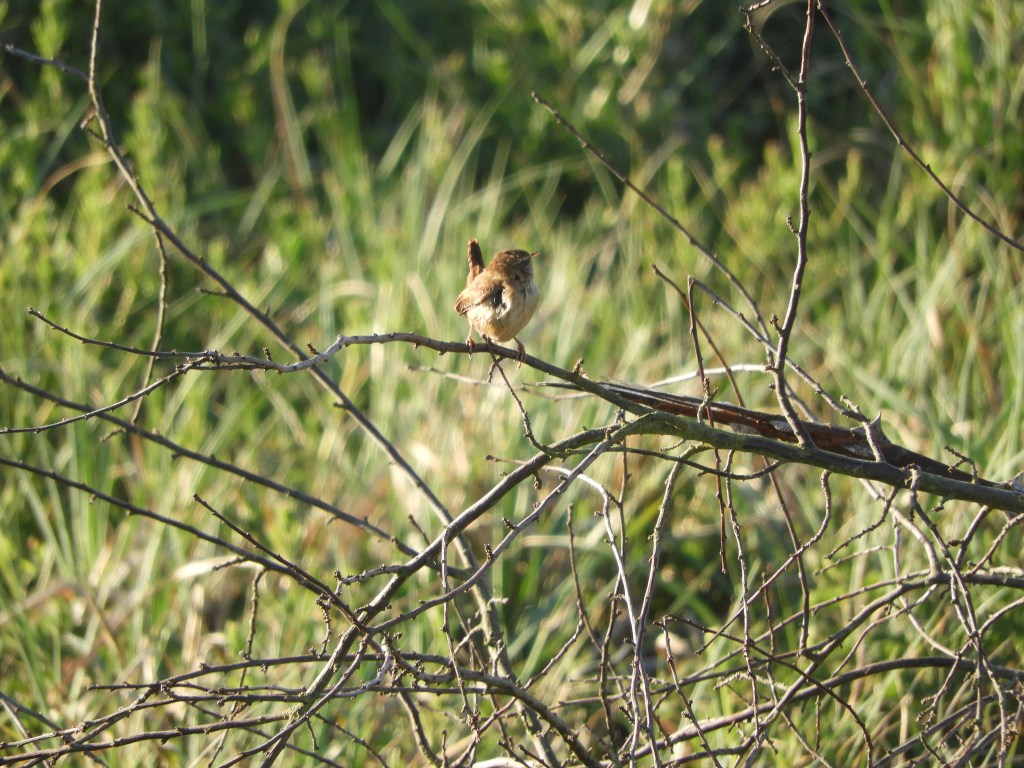
Adult singing from low undergrowth

The Wren is widespread in the UK with around 8 million pairs, the interesting thing about this busy little bird is the nest building, the male will construct several nests which are globe-shaped and they can be located in walls, banks, trees, or as in my case this week a bird box, The nest is made from leaves, grass and moss. The female when she has chosen one from the several the male makes, lines it with feathers. A few years back my neighbour had a wren nest in the mouth of a wooden African face mask he had nailed to his fence, the same year I found a wrens nest in my clematis, obviously the female preferred the face mask over my clematis.

Male wren nest building in a nest box in my garden

As well as using nest boxes for nesting at times Wrens will also use them in the winter for roosting, usually there will be more than one Wren in a box for warmth, the record being for the amount of Wrens found in a nestbox being 60.

All that effort by the male to make several nests may not be all for nothing as he may mate with other females, now considering each female lays up to 6 eggs and both parents feed the young he may have his work cut out especially as they will have two broods in a season.

The Wren a bird with many names

Most people will also know the Wren as Jenny Wren and I am sure in different regions of the country they are known by other names, but in the book ‘Wild Life in East Anglia’ by W A Dutt, published in 1906 by Methuen & Co., 36 Essex Street W.C. London, he lists all the names the Wren was known by throughout East Anglia which I have listed below:

The Wren aka:
Ground Oven (also Chiffchaff) This may be because of the dome shaped nest
Oven Builder (also Chiffchaff) as above
Stag
Titmeg
Tittereen
Tom tit

Busy nest building with moss

The population of Wrens in the country is stable but during harsh winters numbers may fall drastically but they soon bounce back with having two broods a year.

Landscape and People of the past

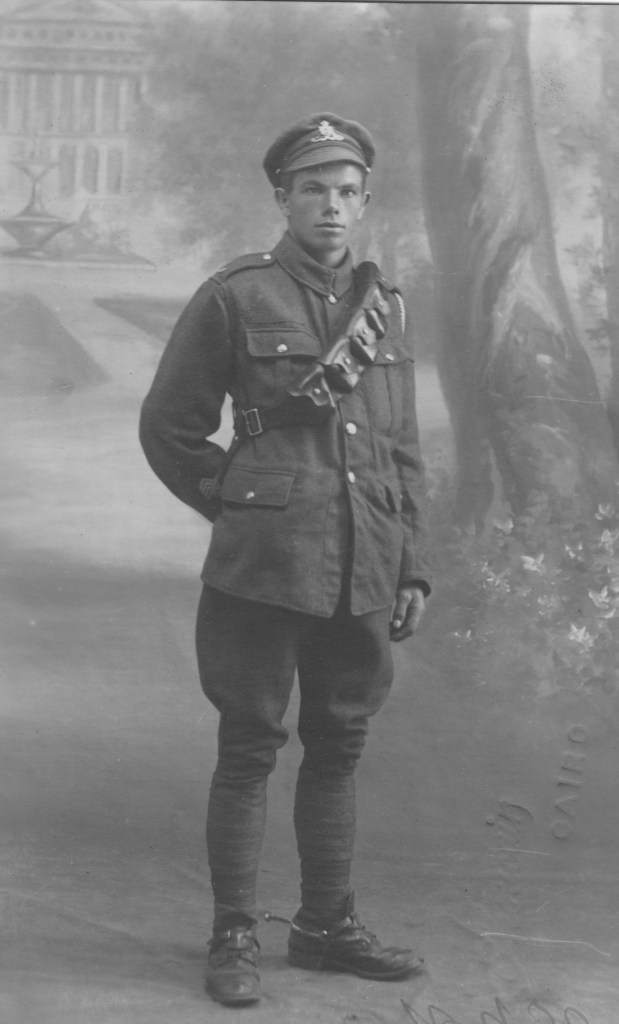
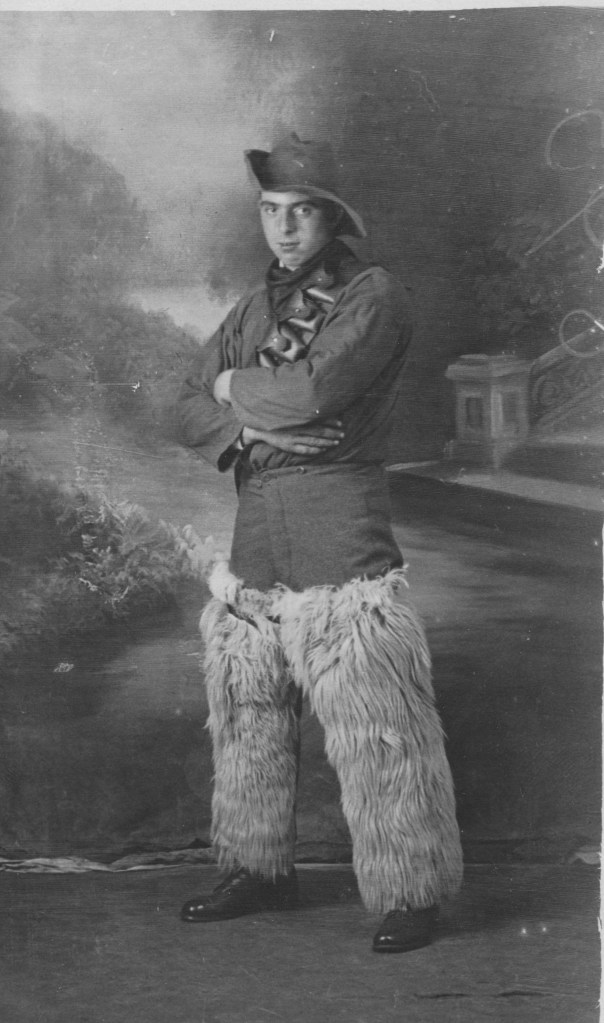
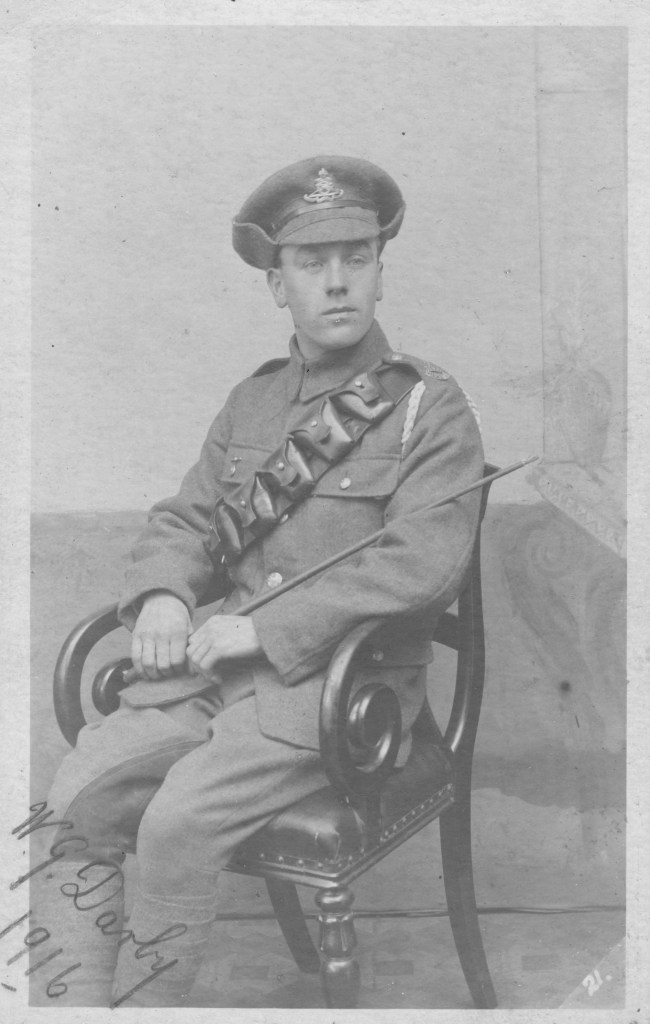
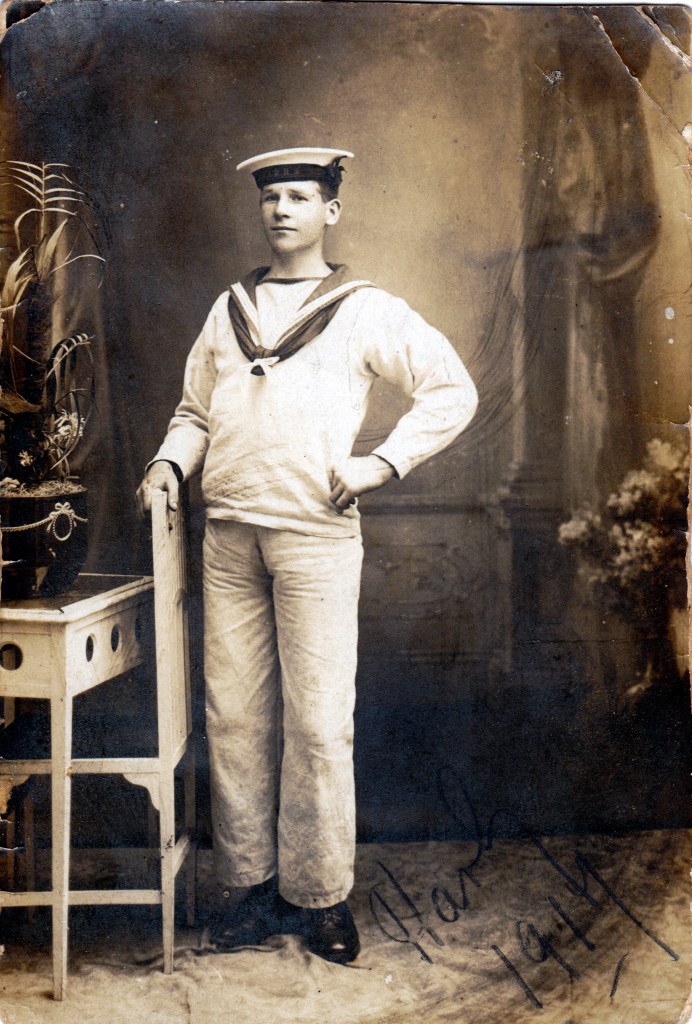
I have had for a while a photo album that belonged to a Great Uncle, he was the brother of my paternal Grandfather, a lot of these photographs were from the First World War and the regiment he served in, but amongst them are images of people from local areas and also some local towns and villages.

Allenby Own Light Horse

The above image is titled in the Album ‘Allenby Own Light Horse’, from what I can make out my Great Uncle was in the ‘Suffolks’ and a few of his images seem to be in Tuddenham and Ipswich, so I am guessing this may be Tuddenham or another village.

Tuddenham Church

I know there is another Tuddenham near Ipswich, Tuddenham St Martin, but from the image above I was able to identify the village in the photographs as Tuddenham St Mary, which is near Barton Mills and Mildenhall also Cavenham Heath National Nature Reserve which is always worth a visit.

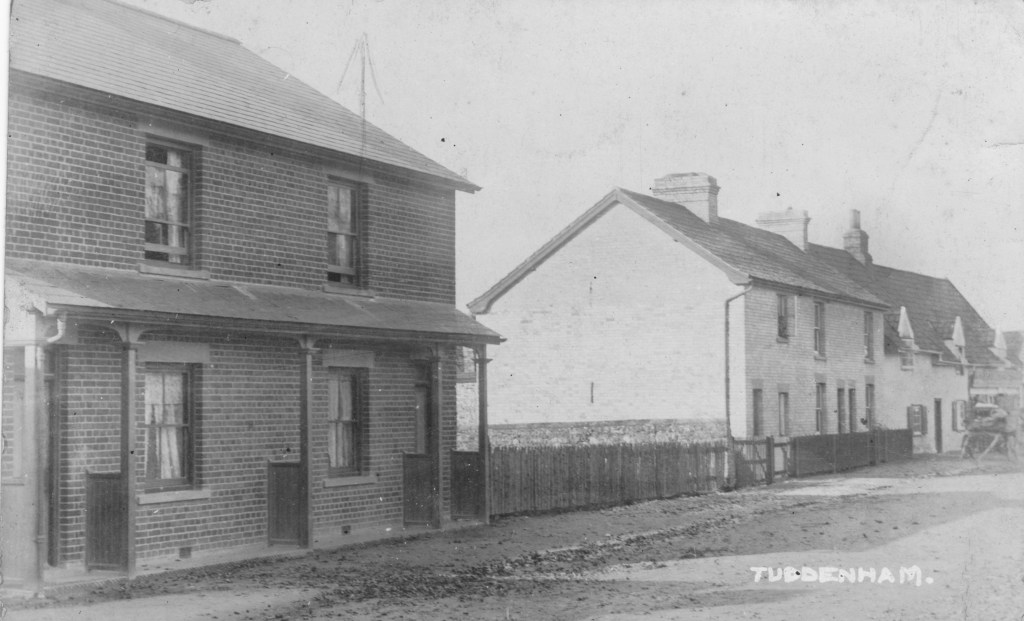
Tuddenham
Tuddenham

The above two images are also just labeled Tuddenham, I do not know if anyone would be able to locate these buildings in the village today, but the top one looks like the houses are fairly new at the time compared to the bottom picture, but what brings this image to life is the two girls in the doorway.

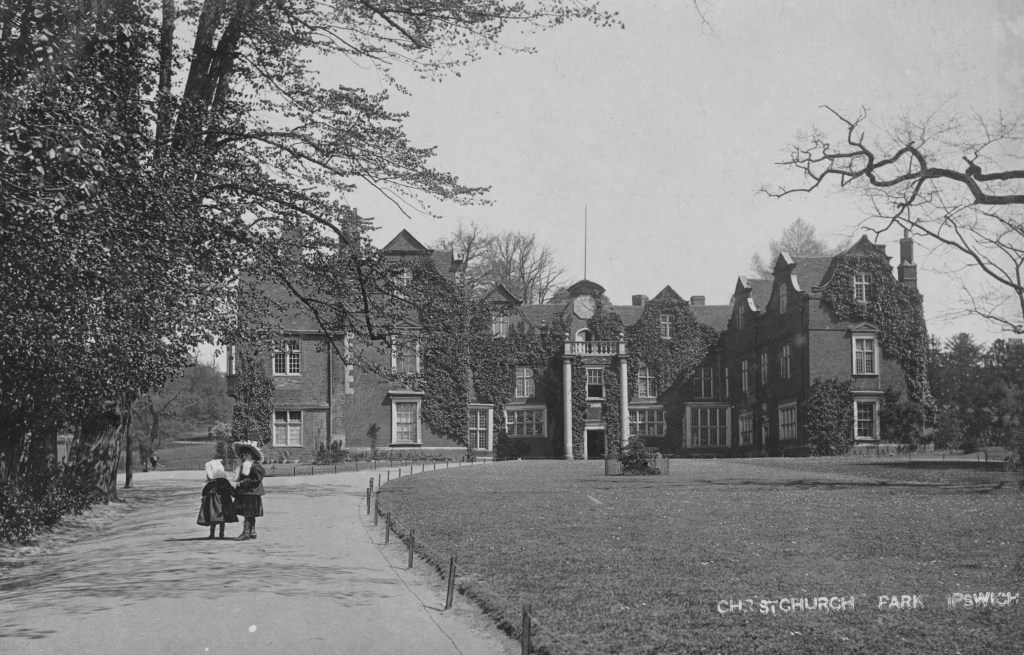
Christchurch park, Ipswich

The next photo is again in Suffolk and Christchurch park Ipswich, by the look of the trees it may have been taken in Springtime, certainly interesting to see the dress of the two young girls here.

Peterborough

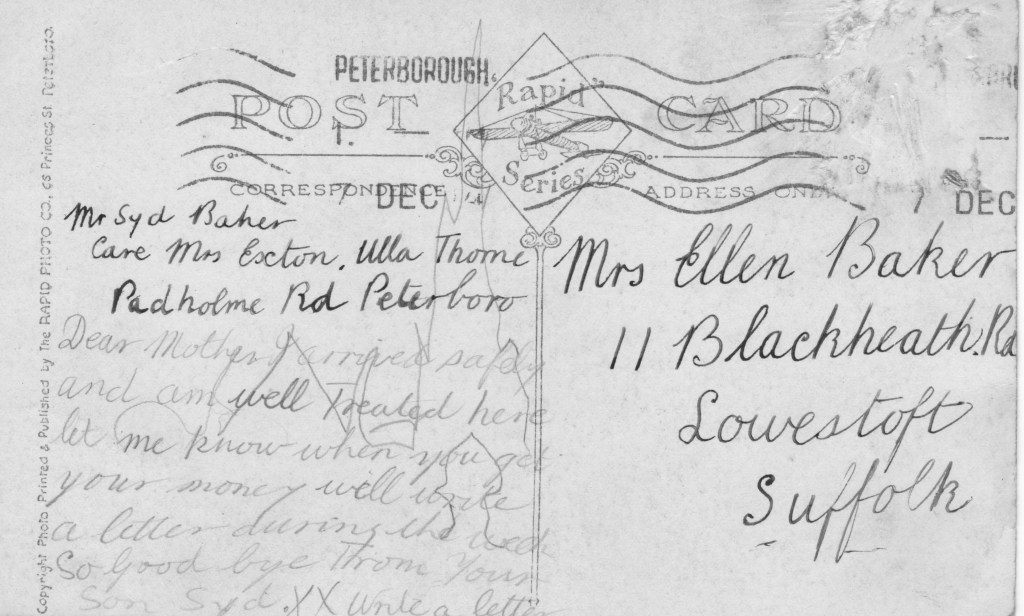
The Above image was actually a postcard sent by my Great Uncle to my Great Grandmother, it looks like he may have been in Peterborough as part of his enlistment or training, below is the reverse of the postcard, which actually gives the name and address of where he was staying in Peterborough.

Postcard Reverse

I do not know if it is a bit of black humour on my Great Uncles part but it did seem a bit odd to send your Mother a postcard of a cemetery.

Captured Gun

The next image above is a German gun captured by the Suffolks, what I find interesting here is the building, obviously somewhere in Suffolk, perhaps someone would recognise that door or building, I wonder whatever happened to that Gun?.

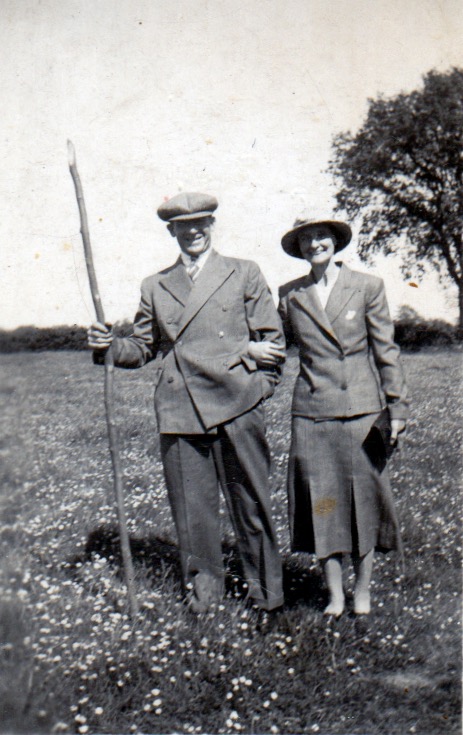
Harold Cole and Ruby Baker

The Above Photo is my Grandfather and Grandmother, Grandfather died in 1945 after an accident at sea on his fishing boat, but what I like about this image is the landscape, I am going to guess that this was taken at Pulham st Mary, near Harleston in Norfolk as my Aunt ( My Father’s sister ) married into a farming family here, but it is the field they are standing in and the amount of flowers there, a glimpse back at one of the many meadows that we had in East Anglia.

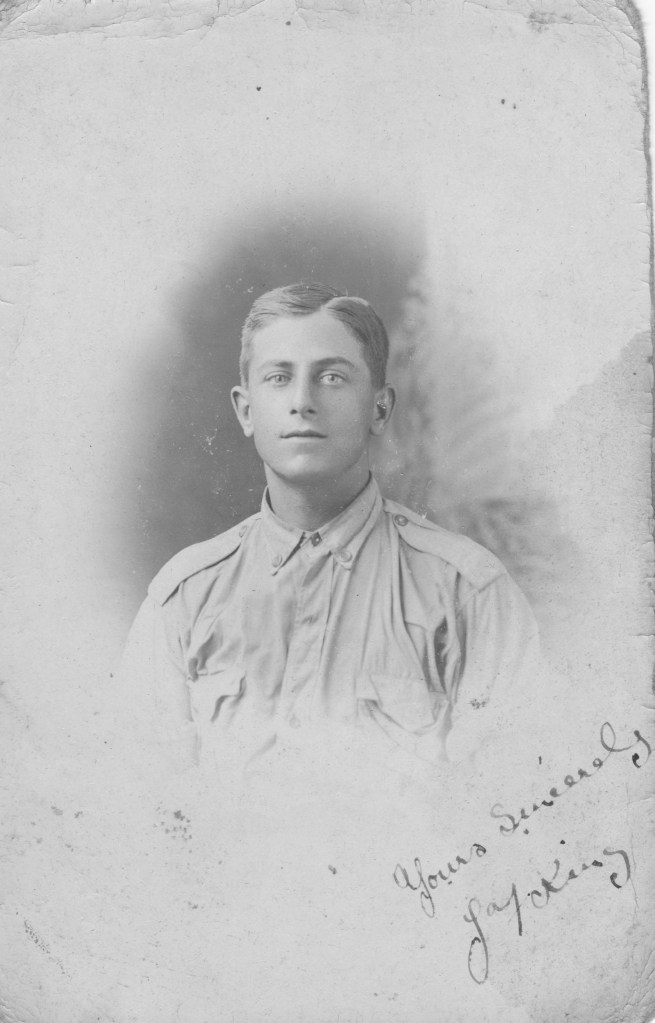
I am going to finish up with images of local people in the album, unfortunately I do not know who they are but someone out there is obviously related to these people and you never know I may have an image of a relative you have never seen before.

A G Blowers, Lowestoft
J F King, Ipswich
L Coleman, Oulton
R Eagle, Beccles
R Trundle, North Lowestoft
Sig C H Hambroke, Ipswich
Trooper E Legget, Beccles
W G Darby, Beccles
W Howlett, Lowestoft

And last but not least, My Grandfather

Harold Cole Baker Egypt 1916
1898-1945

Looking Back

So we are all having to stay at home during this pandemic that is sweeping the globe at this point in time, like me you have more than likely had to cancel trips away, or visiting friends and relatives, perhaps you are missing that nature reserve just down the road which unfortunately can not be classed as essential travel.

Unfortunately this morning was not that great, bit of a damp start so Mine and Sammy’s walk was more urban, so I thought it may be a chance to look back on this months last year and share some East Anglian images of Landscape and Wildlife.

Black-tailed Godwits, WWT Welney 4-4-19

The Above image are of Black-tailed Godwits at WWT Welney, these are the Icelandic race Islandia and most of these birds are in Summer plumage, you will see large numbers of these Godwits in the Winter, whereas in the Summer at Welney there will be the European race Limosa, numbers of this race have been falling over the years so much so that there is Project Godwit which aim is to increase the productivity of black-tailed godwits at the Nene and Ouse Washes so that the population can begin to recover.

Male Chaffinch 20-4-19

The Male Chaffinch above singing his heart out, this image was taken at Leiston in Suffolk, Usually his voice is a ringing ‘pink’ or a more boring sounding ‘suit’ very common resident with around 5 million pairs.

Swallows 21-4-19

Swallows again in Suffolk, these have more than likely just arrived from their long journey in Southern Africa, it always amazes me that days ago they would have been flying around Elephants catching flies and then after an arduous journey traveling over deserts and seas here they are, looking at the long tail feathers these are more than likely males, ready to impress the female swallows, it seems to be the longer the tail feathers the females are more attracted to the male.

Yellowhammer 22-4-19

Again taken in Suffolk, a typical Farmland bird always loved seeing these a child cycling around the country lanes of Suffolk, males can be very bright yellow and summer days always seemed to be full of their high metallic song.

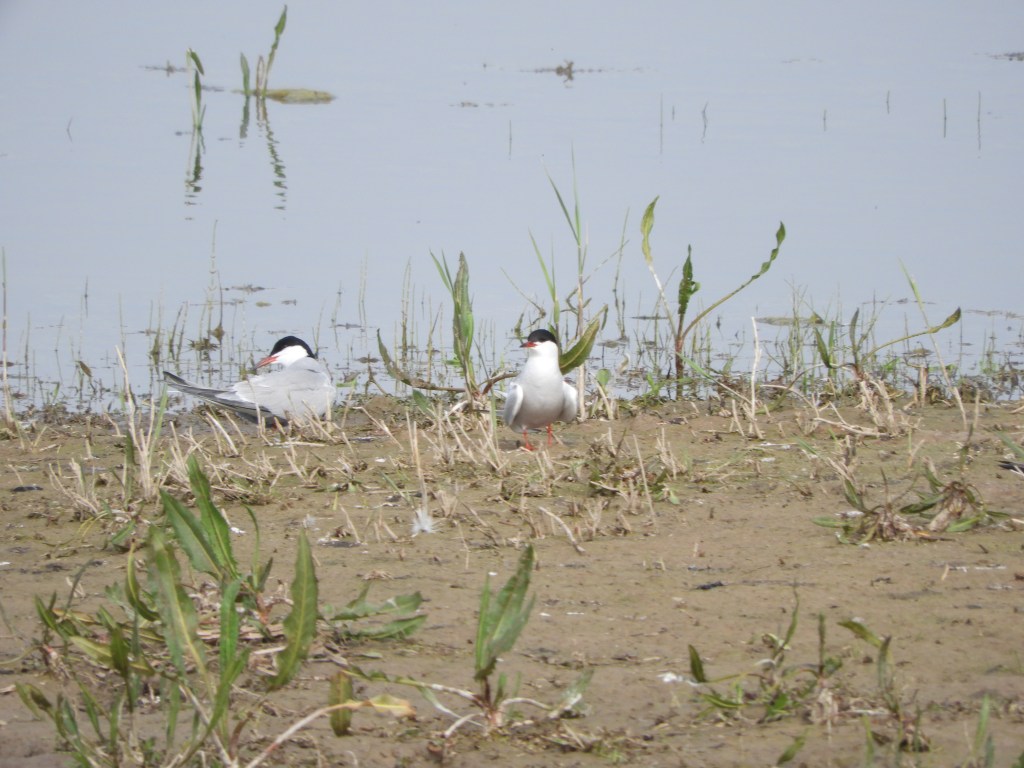
Common terns 24-4-19

Back to Norfolk and WWT Welney where these Common terns are ready to start nesting, another Summer visitor from April to October, numbers in the region of 15,000 pairs, found mostly Coasts, inland lakes and rivers these will have arrived from West Africa.

Hobby 29-4-2019

Cambridgeshire and Wicken Fen, the hobby was one of many I saw that day, scarce Summer migrant usually following the Swallows and Martins to the UK, seen April to September numbers will be around 1,000 to 3,000 pairs. they can be seen as an aerial performer especially when chasing dragonflies.

To finish today here are four of my favourite images of the month in 2019.

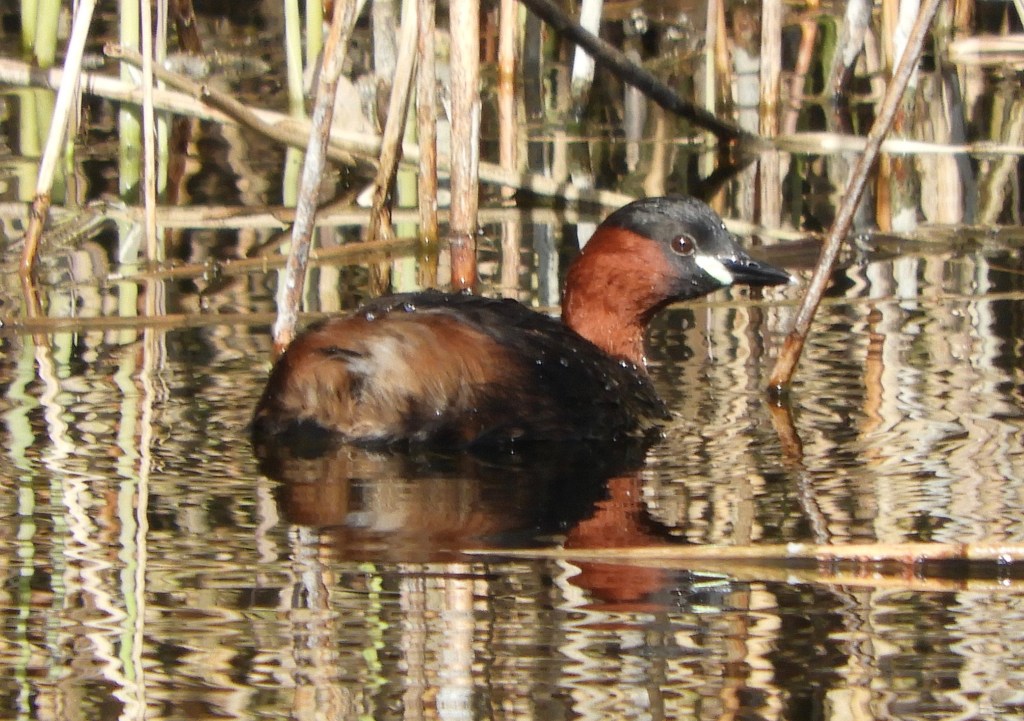
Little grebe, Wicken Fen 1-4-19
Cetti’s warbler, Wicken Fen 1-4-19
Chiffchaff, Wicken fen 1-4-19
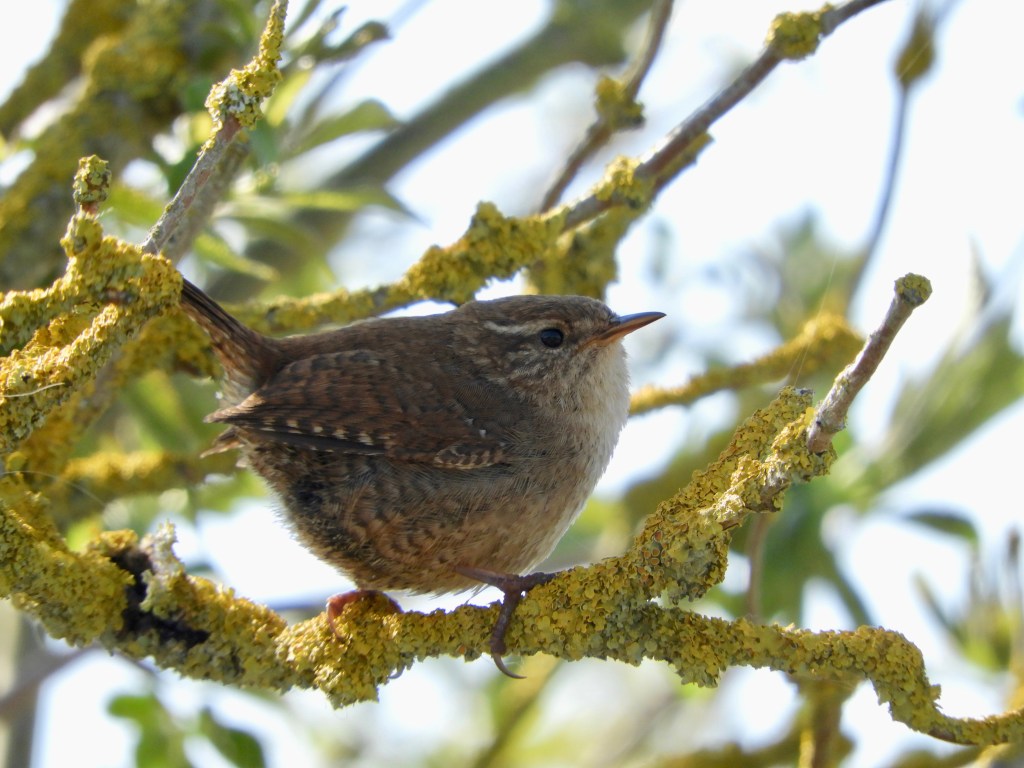
And because I have just discovered Wrens are nesting in my garden today
Wren, Wicken Fen 1-4-19

Birds on my walks

Images of Birds that may help you.

As I have been posting images of the landscape and wildlife of social media I have had a few comments that the images were helping people with Identification, it was suggested I should produce a website, but then it dawned on me I had not used my blog for a long time so decided I would put the images on here.

As we are all in lockdown at the moment due to Covid-19 and I like the rest of you are only managing to get out once a day for exercise, this is combined with Sammy’s (my Border Collie or should that be Birder Collie) first walk of the day, (His second and last walk of the day much to his disgust is tea time with my wife) I am trying to make the most of it recording and photographing what I see.

Sammy looking for Grasshopper warblers

This morning was a bit windy but bright as we headed off for our walk along the river, over the past few days along this route there has been quite a bit of Sedge warbler noise and a few sightings, however a couple of days ago I detected the distant sound of a Grasshopper warbler, on that day I did not see it as they are very elusive. Two days later I heard two calling and the second one was very close although it seemed to be behind me, knowing how they turn their heads as they sing which gives them the ability to almost throw their voice I adopted a tip I was told for locating them, cover one ear and cup the other, sure enough it was not behind but in front almost at 12 o’clock to where I was standing, I strained my eyes looking into the sun but could not find it, then all of a sudden to my left at more 10 o’clock I saw it and managed to get a fleeting image before it ducked down in the vegetation.

Quick sighting of the Grasshopper warbler

The following morning the same again, Sedge warblers and Grasshopper warblers calling but only the Sedge warblers were showing. However this morning was going to be better. I was only thinking as I walked along the path there was not much about as there had been previous mornings, was it the fact it seemed to be more cooler and windy?, but I was wrong as I walked along the path the first thing I saw ahead was a Red kite flying from the hedge on my right, then I noticed the Reed warblers singing, the first I had heard this year, not as harsh as the Sedge warbler and as luck would have it there was one to my left.

Reed warbler

Along with a Cetti’s warbler and the Whitethroat singing things were looking up, Further along the path near to where I had the sighting of the Grasshopper warbler before it started singing again this time right in front I was sure of it, and after a couple of minutes I found him in a low tussock of grass almost hidden.

Almost hidden but he was there the Grasshopper warbler

Again I managed to get a quick picture before he ducked down and this time I was going to wait, eyes fixed firmly on the Spot he went down, I waited for him to reappear to get another image, but then suddenly he was singing again but where?, not where I had last seen him, he had moved and I missed it, he was now to my right, again I managed to spot him closer than ever and as slow as I could and telling Sammy to not move I managed to get another photo.

Closer and perfect for a photo

Perfect, I could see him moving his head side to side whilst this constant reeling call (Not really a song) was going up and down in volume it seemed at times the nearby Sedge warblers competed with their Scratchy singing but the Grasshopper Warbler overpowered them as his head faced me.

All in all a good walk, with Cetti’s warbler, Grasshopper warbler, Reed warbler, Sedge warbler, Chiffchaff, Whitethroat and Blackcap all singing if not all showing.

Chiffchaff
Sedge warbler
Whitethroat
Cetti’s warbler
Grasshopper warbler singing

Farewell to Summer visitors

Does not seem possible last week saw me on the Suffolk coast and experiencing the last of the Summer with blue skies and 20c, it made the early morning walks along the beach that much more better for seeing flocks of linnets and migrating wheatears.

DSCN7910Looking south from Beanacre to Southwold

The first morning I encountered the migrating Wheatears was as I walked from Kessingland to Benacre with Sammy my border collie as we walked around the back of the small lake or Broad as it is known along the footpath amongst the bracken and ling you eventually have the option to get back on the beach which I usually do to head back to Kessingland, this morning as we approached the beach two Wheatear took off from the beach and flew South but  for a few metres before one of them suddenly stopped and suddenly started to hover, I had never seen them do this before and was amazed when the second one also joined it and started to hover as well, both were next to each other hovering for a minute or so before flying off south  along the beach.

I kicked myself for not having my camera ready to catch the hovering Wheatears, but ensured every time I walked along the beach from that morning to have my camera ready.

Although I never did encounter any more hovering Wheatear, I did see them everyday, from one or two every morning to up to three in the afternoon, some Male and Females and Juvenile obviously all on their migration South.

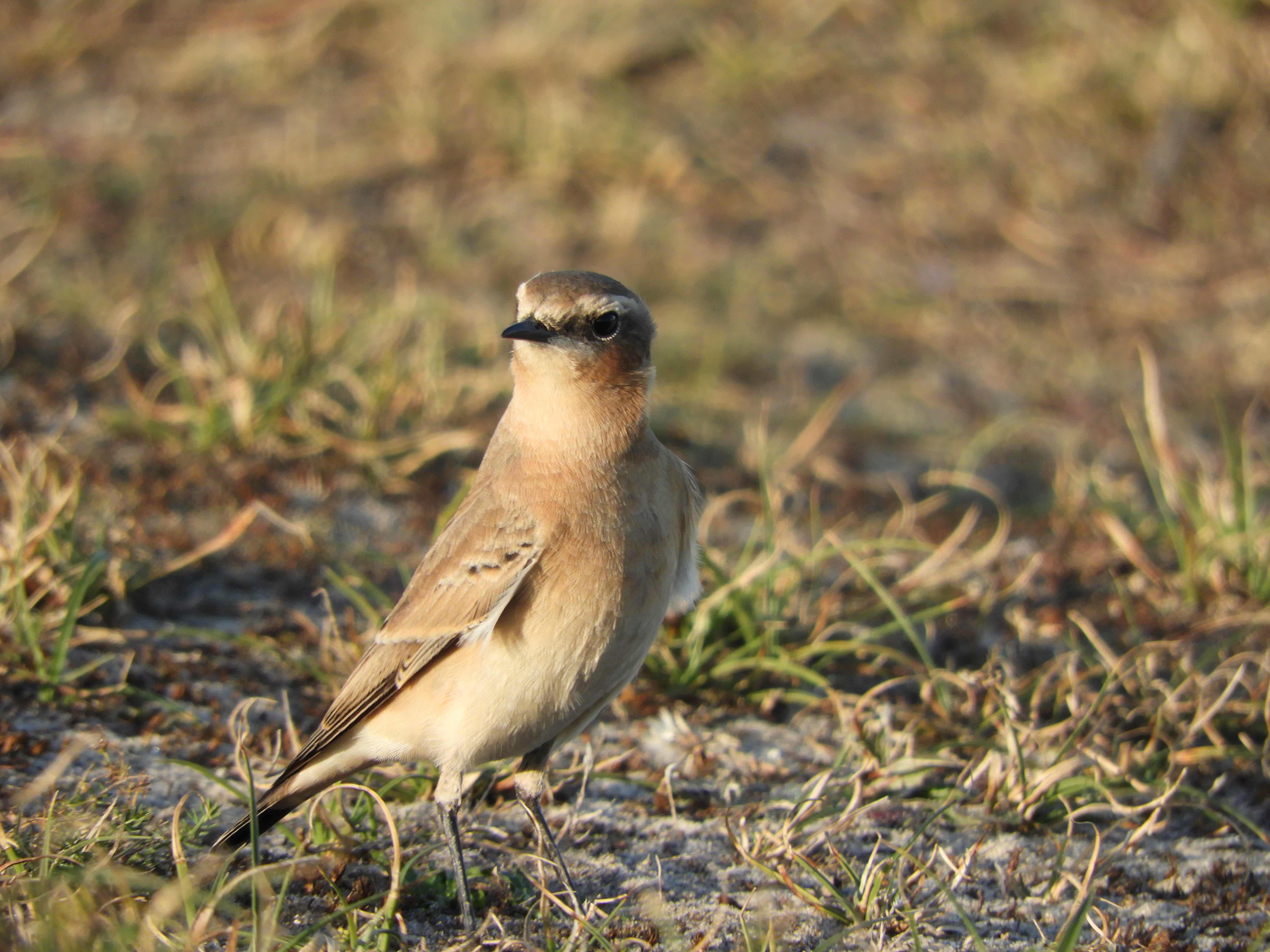
DSCN8000Wheatear

Every morning I saw lots of Swallows and House martins gathering on the telegraph wires on the campsite I was staying, a couple of morning there was panic amongst these birds as a Sparrowhawk would come in from the East with the rising Sun behind it, I saw this happen at about the same time every morning, usually an unsuccessful raid by the Sparrowhawk who always ended this flight by seeking cover in the same tree. One morning I saw a Hobby heading inland from the beach obviously using the same tactic of the rising Sun behind it to surprise prey. These were just two of the dangers the Swallows and House martins are sure to encounter on their migration but hopefully they will survive to return next year.

It was with a heavy heart I had to return home from my few days back home on the Suffolk coast, and all the more tinged with sadness as on that last morning there were no Swallows or Martins on the wires, it was as if we had all managed to enjoy those last rays of Summer and said farewell to our Summer visitors until next Spring, but now as Autumn settles in we can look forward to saying Hello to our Winter visitors as the arrive to enjoy out more ‘Mild’ Winter.

So it only leaves me to share with you a few images of the last Rays of Summer on the Suffolk coast.

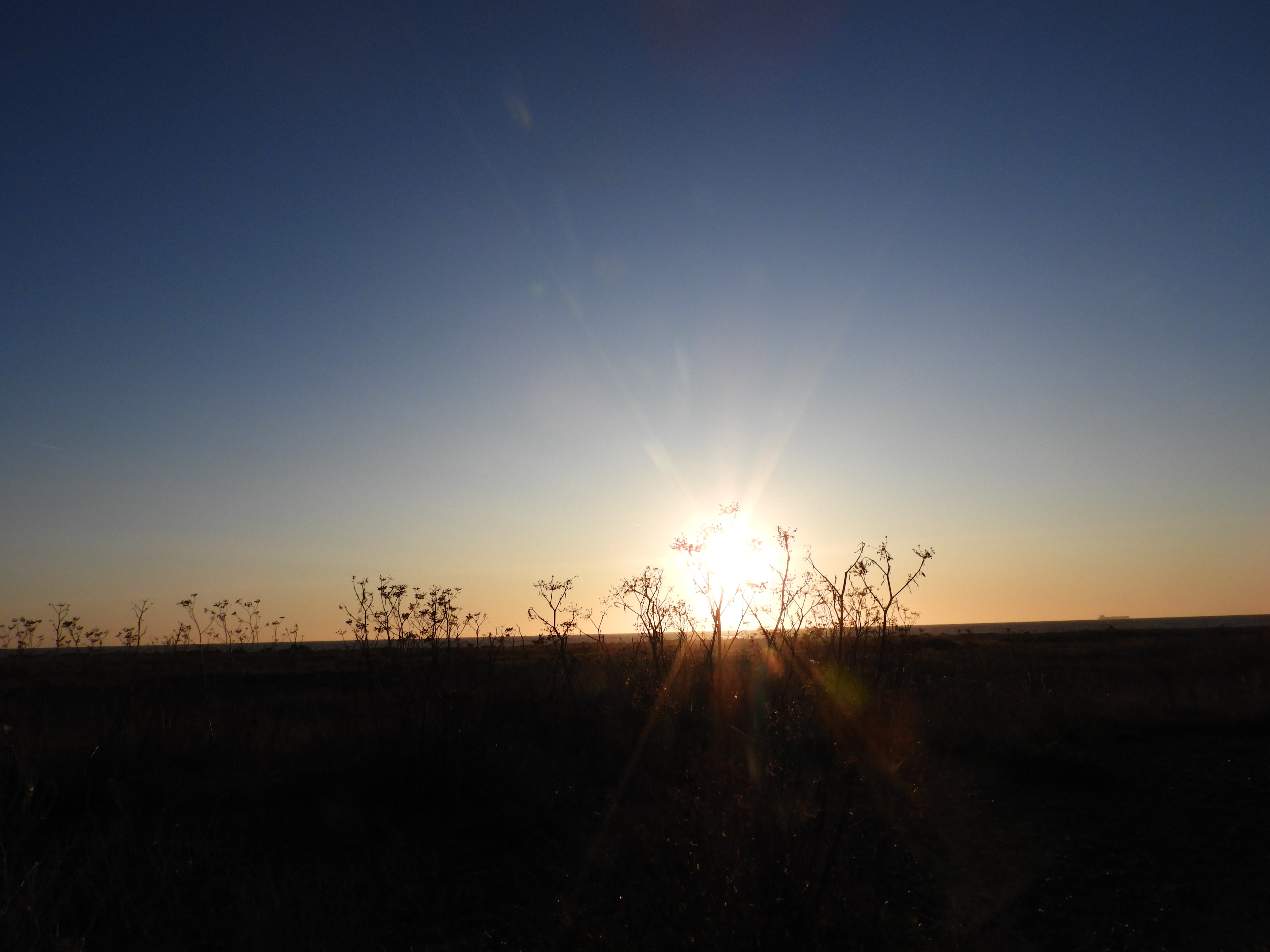
DSCN7906Sunrise from Kessingland
DSCN7798Benacre looking North to Kessingland
DSCN8081 Kessingland beach
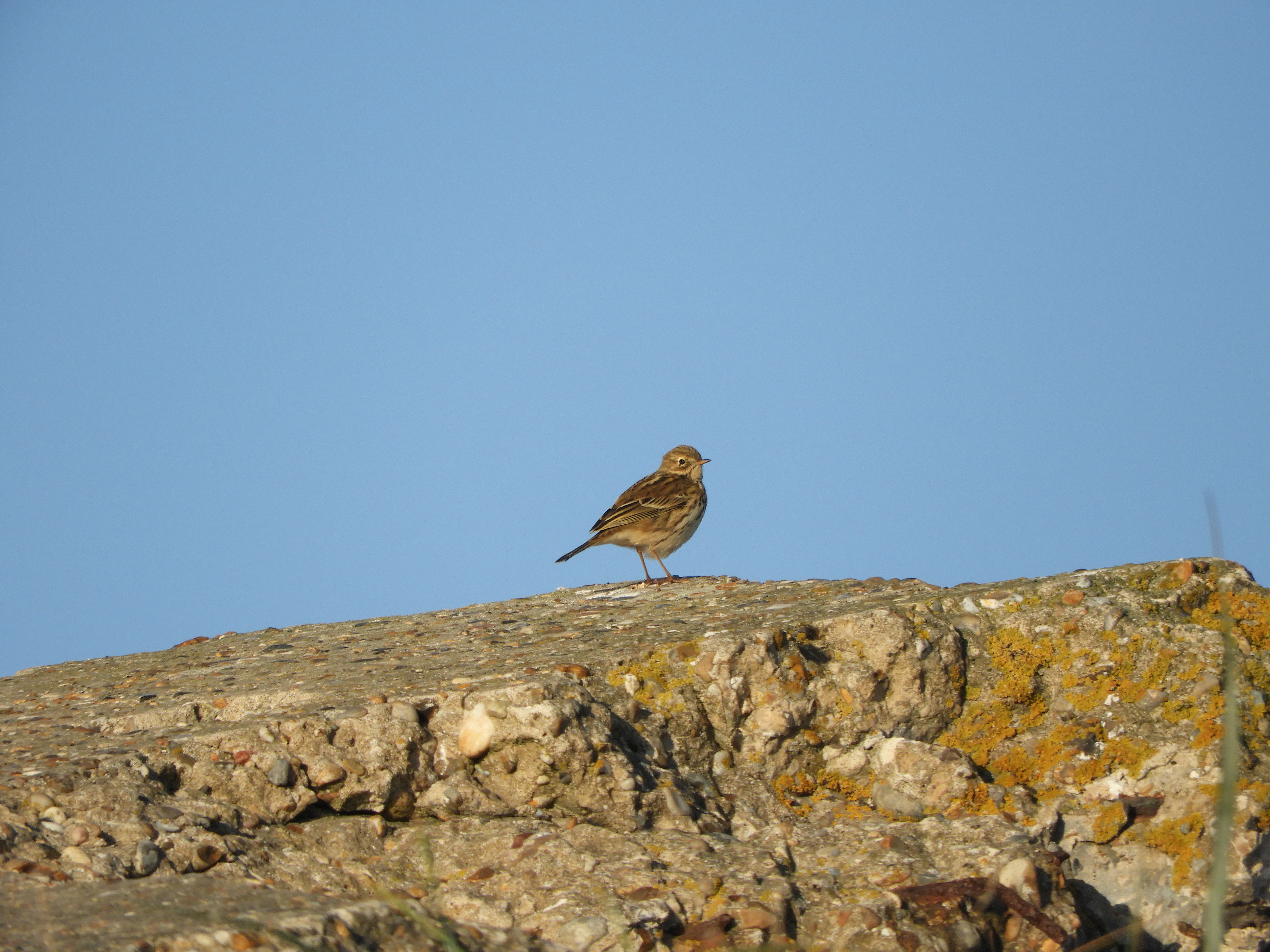
DSCN8012Meadow pipit
DSCN8060Wheatear
DSCN8006Wheatear

DSCN8082

Winter Walk

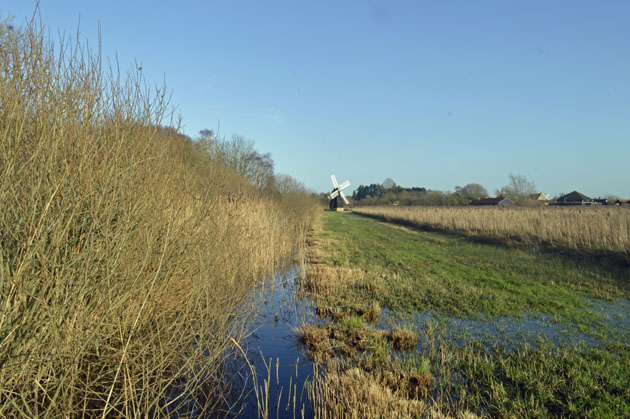
Long while coming but after a Winter’s walk at Wicken fen here is my first post for a long while. Bit of an up and down year health and work, but 2016 looks better so until then here is a view of Wicken fen on a winter day.Windmill03  lo-res

A walk along the river and hidden gems.

I often think we are lucky living in East Anglia, with so many walks in such a diverse landscape we are never far from walks that pass by buildings and countryside that can lift the spirit. Take for instance the Ouse valley near Huntingdon and St Ives, as cars thunder past on the A14 heading East to the coast or West to the Midlands how many of the drivers and passengers are aware sandwiched between the A14 and the A1123 are the villages of Houghton and Wyton, I am also guilty of passing by, but this weekend decided to stop and visit and found a hidden gem, Hougton Mill, the Mill is the oldest working mill on the river Great Ouse.

Large Mill on River

Houghton Mill

A mill has stood on this site for over 1000 years, nearly completely demolished once but restored by villagers it has evolved to this fantastic building we see today. The first building that stood here was built in 969 AD and various buildings had stood on the site over the years, owned by monks, the crown after the  dissolution of the monasteries and then in nineteenth century a Quaker Potto Brown, who done a lot for the mill and the villagers, a Bronze Bust of him stands in the village today. Potto Brown extended the present mill which was built in the 1600s and was working up to the 1930s.

Stacks of sacksof flour on the floor of the mill

Flour sacks on the floor of Houghton Mill.

When the mill was decommissioned local residents purchased the mill and gave it to the National Trust, after the second world war it became a Youth Hostel. Today the National Trust opens the mill as a tourist attraction and still mills flour here after installation of new  millstones in the 1990s, you can no longer stay here as a Youth Hostel but there is a campsite next to the mill.

Large wooden cogs in the mill

Cogs in Houghton mill

From the mill there are a number of walks by the Great Ouse, we went East towards St Ives, first crossing a stream to walk along the river side.

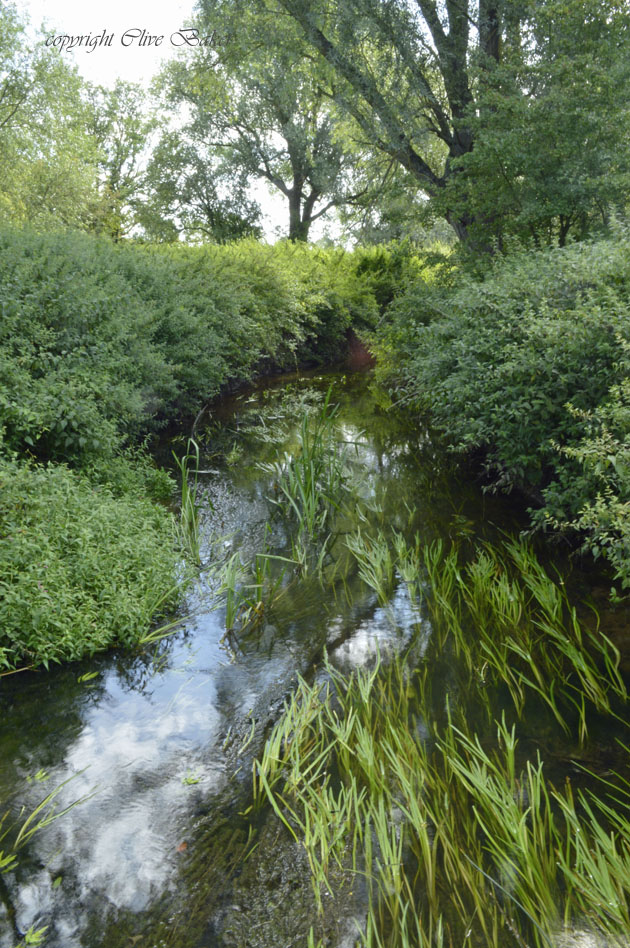
Clear stream with lots of plants and wildlife

Fast flowing stream from the mill

On this last weekend of August there were lots of dragonflies and birds along the river as well as other walkers enjoying the blue skies and warmth of a Summer day in this hidden gem of East Anglian countryside another image to capture in the mind for reflection to think about on a grey and damp Bank holiday Monday to come.

River with green fields and a church spire

Walking along the river Great Ouse to St Ives

Back from my Suffolk

A long overdue blog and a week spent on the Suffolk coast have made me sit down and share some more East Anglian images.

Being an East Anglian I love all things about the region, but my heart will always be in the area I was born, the Suffolk coast.

My family had not always in that area but I have to thank my Great Grandfather James Baker for moving there in the late 1800’s followed soon after by his parents (my great, great Grandfather and Grandmother) to Pakefield from Mendham on the Norfolk / Suffolk border some 26 miles in land, being agricultural workers manual labour on the land was fast becoming hard to find at this time so James became a fisherman at a young age, in the census of April 1881 he was on board the fishing vessel ‘Sensation’ on the South coast, he would have been around the age of 14 or 15 then.

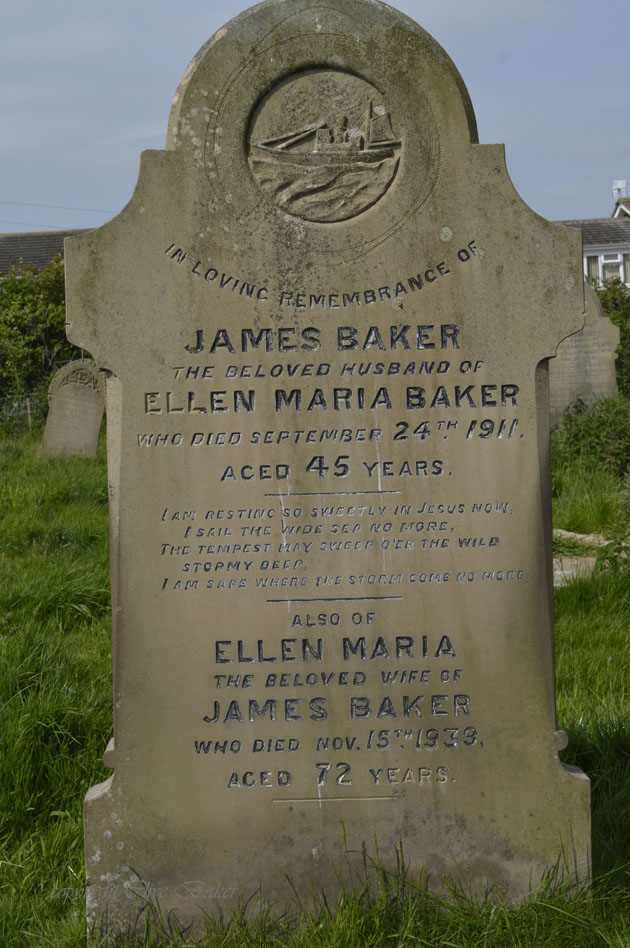
Grave stone of my great grandfather

My Great grandfather’s headstone, the inscription reads ‘ I am resting so sweetly in Jesus now, I sail the wide sea no more, The tempest may sweep o’er the wild stormy deep, I am safe where the storm come no more. ‘

Every morning whilst staying in my caravan at Kessingland I would walk the dog along the beach to Benacre armed with my camera and my binoculars, I was lucky enough to see quite a few birds including a black redstart on the roof of a house near the beach. I would also see fellow dog walkers some I could tell were local some on holiday like myself, but after a few days I guess I was becoming a familiar sight with my dog, camera and binoculars always looking along the shoreline, out to sea or on the beach for wildlife or another image to take.

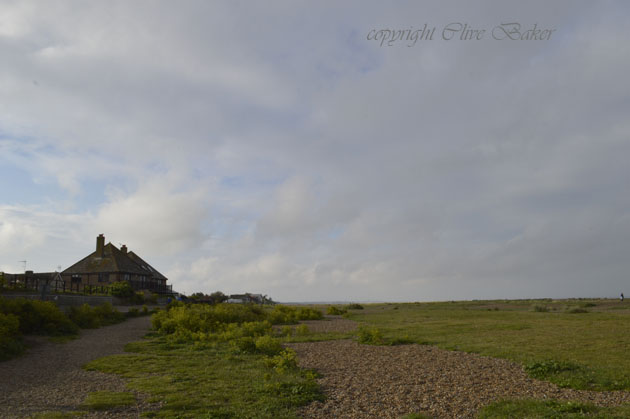
Wide shingle beach

The first house in this image is where is where I saw the black redstart and as I was to find out later the houses are known as the ‘Twin peaks’ by the locals.

My last morning here was Saturday so I was up early determined to get one last walk in along the beach before packing up to drive home and it was this morning one of the locals stopped to talk to me as I was walking along the shoreline, he ‘spied’ the binoculars and asked if I had seen anything of interest, I told him I had seen the black redstart last Sunday on the roof of that house over there and pointed back over the beach at one of a pair of houses on the beach edge “Oh Twin peaks” he replied and as he detected I had a Lowestoft accent he obviously felt safe to tell me all the local birding knowledge, so as his black labrador dog sat on my left foot I then knew all about this local who until now had been on nodding terms.

It turned out he was also a fellow ‘birder’ but old age means when he is out walking he missed most birds as he stooped and as he said to me “I see more of my feet than I do birds” plus it is no good him having binoculars as his “Bloody hands shake all the time and everything would be a blur”, but he told me he lives up on the cliffs and has built a hut where he has his telescope and he looks out to see at the birds and then reeled of everything he sees from there, passage birds like spoonbill and bee eater, shearwater, great skua, the terns and the gulls, we talked about where I was born and where I live now, he asked about the birds I see in the fens and after a while we said our goodbyes.

As I watched him walk along the beach and the blood slowly returned to my left foot as his labrador had now followed him  I realised why I love this region so much, the countryside and the people always so welcoming.

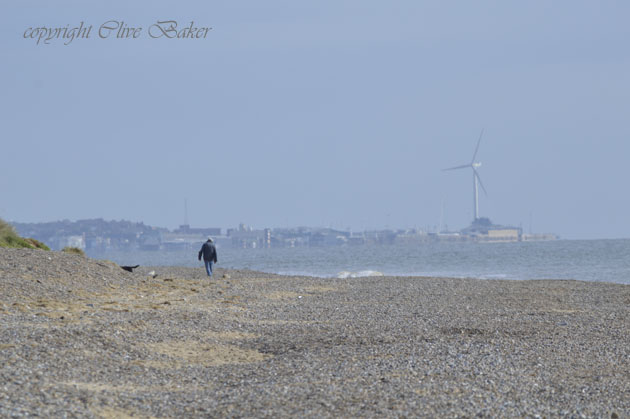
Man and dog walking in the distance along beach

The fellow ‘birder’ and his dog walking back along the beach leaving me and my left foot with a warm feeling.