Swifts, Swallows and Martins

This weekend I have had my eyes to the sky looking for the last of our regular summer visitors that always fill the skies of East Anglia, I had already seen my first Swallow and House martin on the 11th of April now I am waiting for my first Swift.

There have already been sightings of a few birds this last weekend but I still have to see one myself, last year I saw my first one on May 5th the previous year April 27th so I am due my first sighting any time now, whilst the blackbirds in the garden are already feeding their first broods the Swallows, martins and Swifts have yet to mate, make nests and raise their young before the long journey back to Africa.

The swifts will be the last to arrive and the first to depart, studies have found that some young will be on the wing for nearly two years before landing and breeding , they ‘power nap’ in the air. soon our warm summer days will be filled with the sound of Screaming swifts around the roofs of houses along with the martins, and swallows skimming low over the surface of ponds and rivers, but before then they need to rest and feed up after the long journey to our shores.

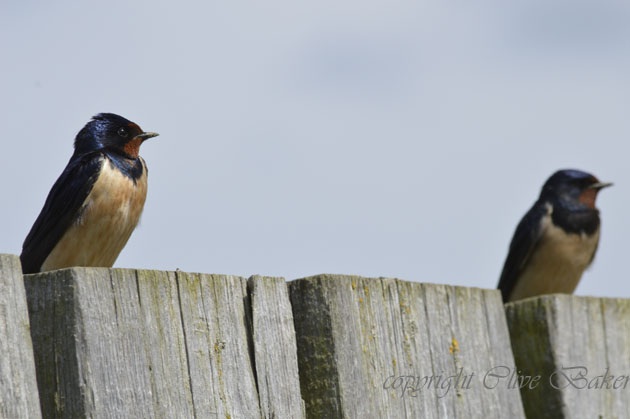
Two small swallows on posts

Two swallows at WWT Welney, Norfolk

Sight and Sound of the fen

This weekend I decided to take a walk over Wicken fen, Saturday afternoon was windy but bright parking at Upware I walked along Burwell Lode where swallows were feeding along with Common terns over the footbridge we turned left to walk along Wicken Lode where Reed buntings and Reed warblers were calling half way along Wicken Lode we saw our first Hobby of the year as we stood and watched we soon discovered there were four hunting, catching large flying insects and feeding on the wing.
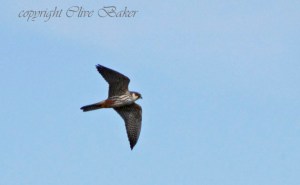
Small falcon in flight

Hobby hunting over Wicken Fen

I am guessing the hobby’s had followed the house martins from Africa  as there appeared to be a lot of house martins flying high above us as well.

As we walked around on our loop of Wicken fen we also heard cetti’s and willow warblers some of the willow warblers we saw but the cetti’s warbler is hard to see but it’s song is unmistakable  as it is a long short burst of repetitive notes.

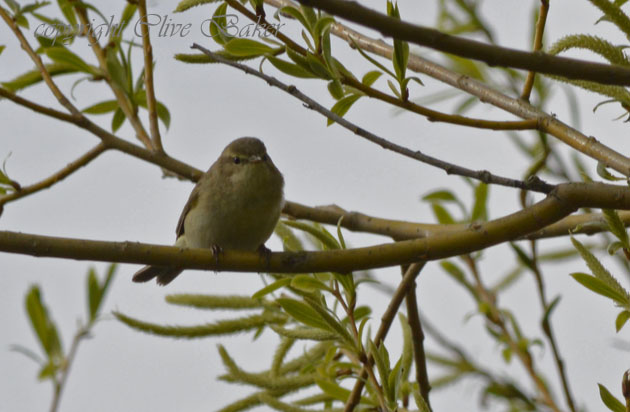
Small brown warbler in branch

Willow Warbler

We were also lucky to see a Great White Egret on Baker’s fen almost double the size of the little egrets that were also there, but further along we heard in the distance our first cuckoo calling, had this like the hobby and house martins just arrived from Africa?.

As we made our way back along Wicken Lode I heard the unmistakable call of a nightingale very loud and very close, this bird will be low in the vegetation but very hard to see, we scanned the thickets as it sang its tropical like song, but we could not see it, we picked up other birds that we did not know were there, male blackcap, chaffinch but no nightingale was showing, reluctantly we left after 20 minutes to leave the song of the nightingale to any other person who may walk by.

Sunday Morning although dawned grey the wind had dropped so maybe this was a chance to go back to Wicken Fen and see if I could locate or at least record the Nightingale.

Parking at Upware again I noticed there were more Swallows, feeding around the sluice gates and recovering on the overhead wires after their long migration to the UK

Two swallows on sitting on wire

Swallows recovering after their long migration from Africa

As I approached Wicken Load I could hear two cuckoo’s calling, one male and a female replying, soon I saw them chasing one another around the trees, then all around there seemed to be at least four calling maybe these had arrived since yesterday, then they were joined by the nightingale which seemed further away that yesterday but in the same area  all around I could hear cetti’s warbler, chiffchaff, sedge warbler and reed bunting.

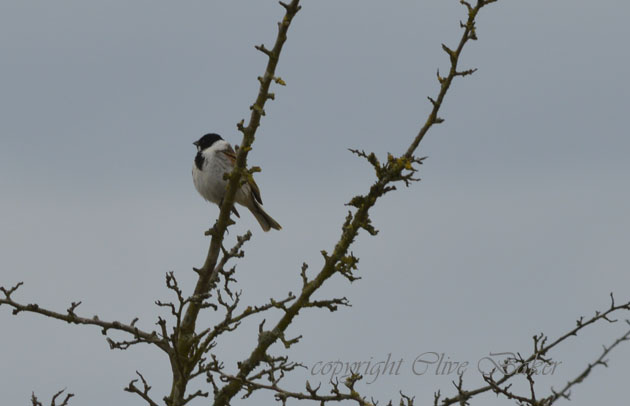
Small brown bird with black head

Male reed bunting calling from a hawthorn

The reed bunting was calling from a hawthorn and below him the sedge warblers called from the reeds and as they seemed to get louder looked for a higher perch at the top of the reeds or in the lower branch of a thicket.
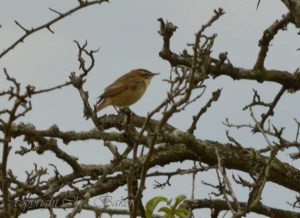
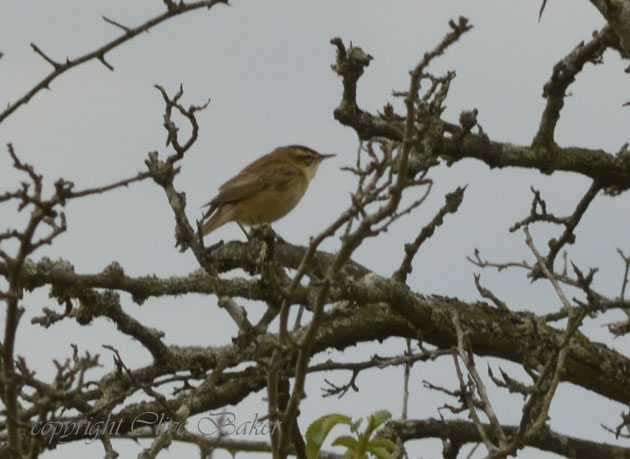
Sedge warbler in hawthorn bush

Sedge warbler

I managed to work out how to use my new digital recorder and tried to capture some of the sounds of Wicken fen. All I need to do now is work out how I can share my recordings but for now here is what a nightingale song sounds like,

Nightingale song

and for the record I think it was a robin that was singing in Berkley Square not a nightingale.
The Bees are Buzzing

A few days ago I noticed a queen bumblebee was going in to my compost heap, she would have spent the winter hibernating in an old mouse hole and would have emerged in early Spring to start collecting nectar and pollen from the first flowers she could find.

Once she has found a suitable nest site she will start laying eggs and collecting nectar and to feed the larve the first of which will become workers. these will take over the task of collecting the nectar and pollen whilst the Queen remains in the nest and basically becomes an egg laying machine to expand the colony.

All of these first workers are females but will be infertile, later in the season she will start to lay male worker larve and fertile females which will become future queens which mate with these male workers.

The infertile female and the male workers will all die in this first year but the new queen bees will carry on the cycle to hibernate and emerge the following Spring to lay the fertile eggs they have had since this Summer so completing the cycle, it is these Queens that will only live for two years.

Large Bumblebee collecting pollen

White-tailed Bumblebee

This is the time of year I get my Bee books out as I have to remind myself on the identification features of each bumblebee, as there are 24 species of Bumblebee in the UK, add to that the difference between the females and males then it can get quite tricky. first of all the Large bees are going to be queens, the smaller ones the workers, so this time of year the workers are going to be females also being early in the season there are going to be some bees that have not yet emerged, so I can safely say that today I have seen a aptly named ‘Red-tailed bumblebee’ worker as it was small with an orange bottom and completely black body being a female (the other red bottomed one is the Early bumblebee but this has yellow stripes on the body). The bumblebee I saw in the garden was the Buff-tailed this time a queen as it was large, can be confused with the White-tailed bumblebee but the tail on the Buff-tailed can be anything from a dirty white to buff and sometimes can be an orange red.

So all in all it can be very confusing so I would say get yourself a good book or maybe even join the BBCT as you will get some very good information to help.

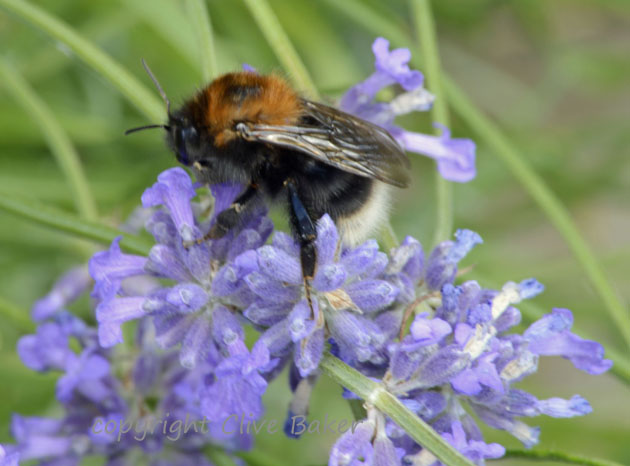
The easy bumblebee to Identify is the Tree Bumblebee the only one that is ‘Ginger, black white’. I will not mention the Bee fly

Tree bumblebee

Tree bumblebee

East Anglia a region of variety

I have just spent a few days in North Norfolk and whilst there it confirmed to me what a great part of the British Isles we have here not only for living and working but also for pastimes.

For example the wildlife and in particular the bird life.

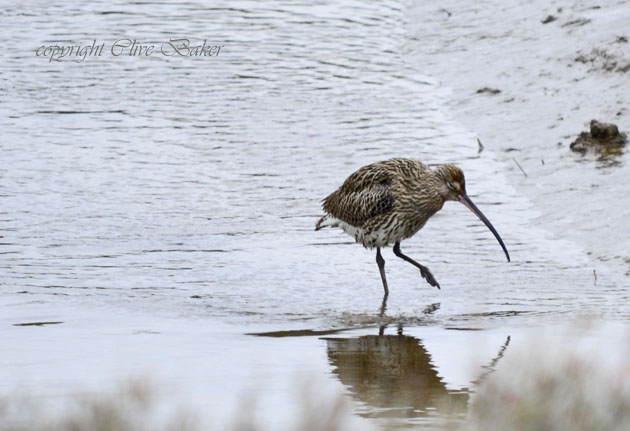
Wading bird with long curved down beak

Curlew at RSPB Ticthwell, North Norfolk

there are a number of nature reserves all over East Anglia and North Norfolk is one of the hot spots for seeing wading birds, with the RSPB reserves at Titchwell and Snettisham.

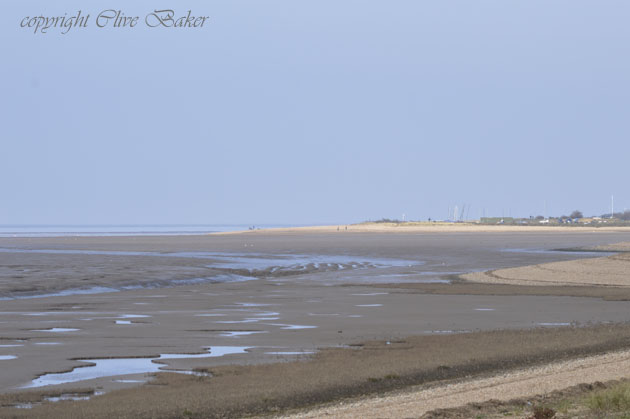
Vast beach

The Beach at Snettisham, a hotspot for seeing large flocks of wading birds.

Not only are there vast beaches but also woodland that attract walkers all year round and also sports events like Orienteering, sometimes these woods can be magical at first light all the more so in spring when they echo with birdsong.

light and shadow in woodland

First light on a spring morning in woodland at Sandringham

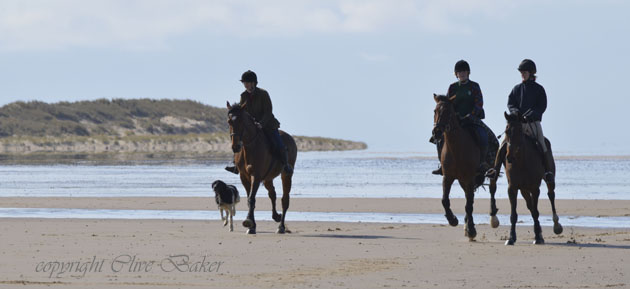
It is not only the people who live or visit the region that enjoy it but the animals they bring with them, horses and dogs love the freedom of the beach and the many footpaths.

Three girls on horseback with dog running on beach

Horse riders and pet dog gallop on Holkham Beach

From beach to woodland, there are many places in our region to enjoy at a gallop or just an easy walk, if paradise was East Anglia I would go tomorrow.

Three walkers on beach

A gentle walk on Holkham beach, Norfolk

Spring in my step

Unfortunately my website blog has had to take a back seat these last few weeks due to my wife having an accident, so family life has been priority these last 4 weeks, she is recovering well and I feel now we are into Spring and we have had a few warm sunny days this has helped her recovery and lifted not only hers but everybody’s spirits.

You only have to walk in the East Anglian countryside at the moment at any time of the day and the birds are singing (I heard my first chiffchaff today) and flowers are opening, blossom is out on the trees and I have even seen hawthorn leaves starting to open.

In the spare hours I have had I managed to get out and take some images, so I shall share a couple here today.

But as a warning in about the weather we are not quite out of the woods yet, I can see in my copy of the book ‘ The Carlton Colville Chronicles of Canon Reginald Austus Bignold ‘ the Canon had entered March 19th 1915 It has been snowing heavily for twenty-four hours “, Well 100 years ago it may have been but you never know.

Round spiky seeds hanging down from branches

The seeds of a plane tree against the Spring sky

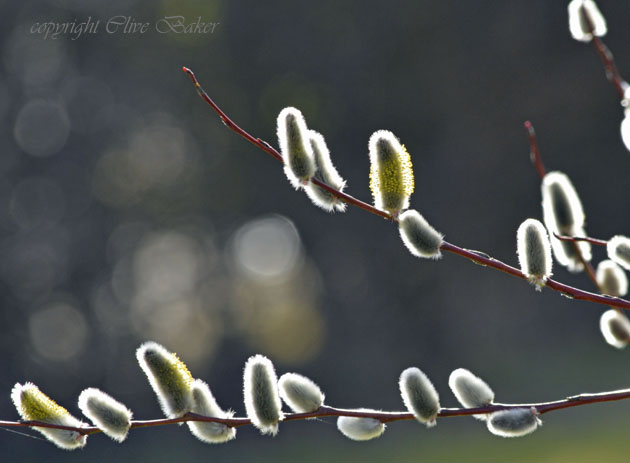
Large catkins backlit by sun

Catkins of the pussy willow

Two heads of reedmace

Reedmace often called bulrush by mistake

Male Blackbird on branch

Male Blackbird one of the many birds singing early in the mornings in Spring.

Pictures speak louder than words

Sometimes it is hard to explain in words why I as a person born in Suffolk and still living in East Anglia enjoys the East Anglian landscape so much, I know places in this small island can be dramatic and can make the heart sing in appreciation on the beauty of the mountains, lakes and dales not to mention the coastline, but it is here I feel most content traveling the Fens of Norfolk and Cambridgeshire, the Coast of Suffolk and Norfolk, breckland and broads we have it all.

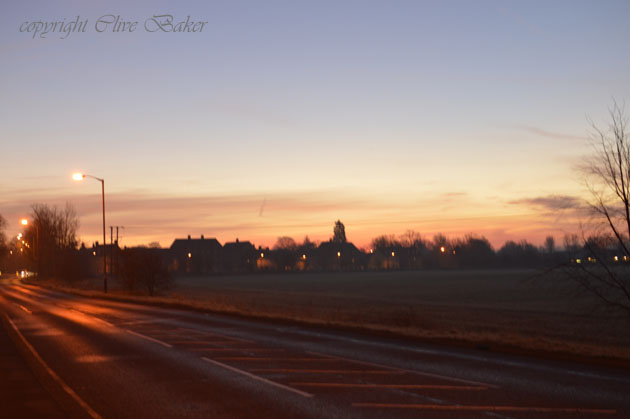
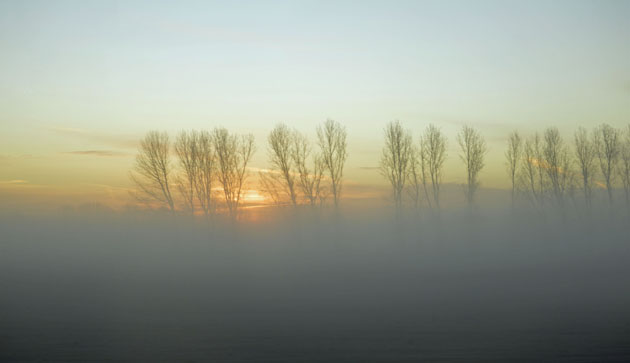
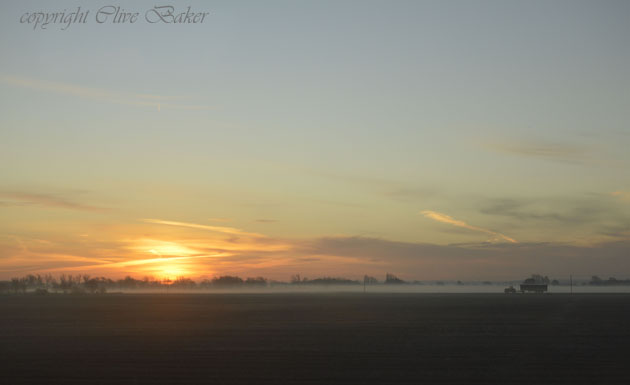
It is a landscape that has changed many times over the years, but still has its magic as I hope these few images I took yesterday morning will show.

Road and fields with a red sky

The dawn breaks in Ely, Cambridgeshire

Street scene in Ely

These houses have seen quite a few sunrises in Ely, Cambridgeshire

Trees in mist

Trees in the early morning mist of the Cambridgeshire fens

Rising sun over mist

The heat of the rising sun burns away the mist in the fens

Tractor in the mist and sunrise

start of a working day as a farmer heads for a days work in the fields

Life in the old pond

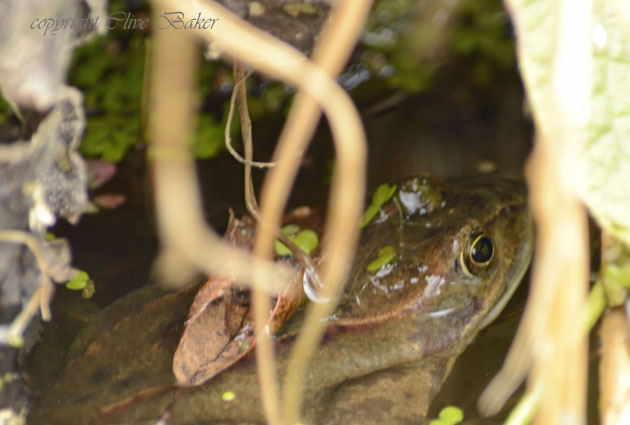
Meteorologists would tell us that March 1st is the beginning of Spring but we would define Spring in the northern hemisphere as starting at the March equinox in astronomical terms, usually around March 19th to 21st, but already in my garden pond the frogs are stirring already I have seen four today and at least three are mating, I saw two males clasping a female holding tightly to her she was a crimson colour and I feared they may have been killing her, however I did notice later one had let go and she was mating with one male.
Male frog clasps a female tightly

Frogs mating in the garden pond

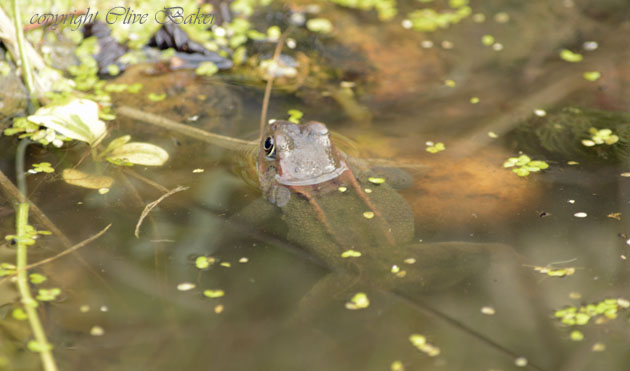
The Common frog is average size of 50 – 111mm and varies in colour from light brown to olive-green, the young males usually overwinter in water, so you can sometimes hear the males croaking to attract a female who would have spent the winter under cover in a log pile or under a paving slab in the garden anywhere she could get shelter from the winter elements.

Male frog at edge of pond

Common frog

Frogs normally breed about mid April, but you may find frogspawn in your garden pond any time after the New Year depending on how mild the winter has been, I shall keeps an eye out this next week to see if any appears in the pond, but we could still have a cold snap and any ice may make any frogspawn there is sink to the bottom of the pond.

But for now I will just keep counting the frogs and think we are only a couple of weeks  away from saying it is really Spring.

Frog at side of pond

Frog lurks under cover of the plants in the pond


The Fens made in Scotland

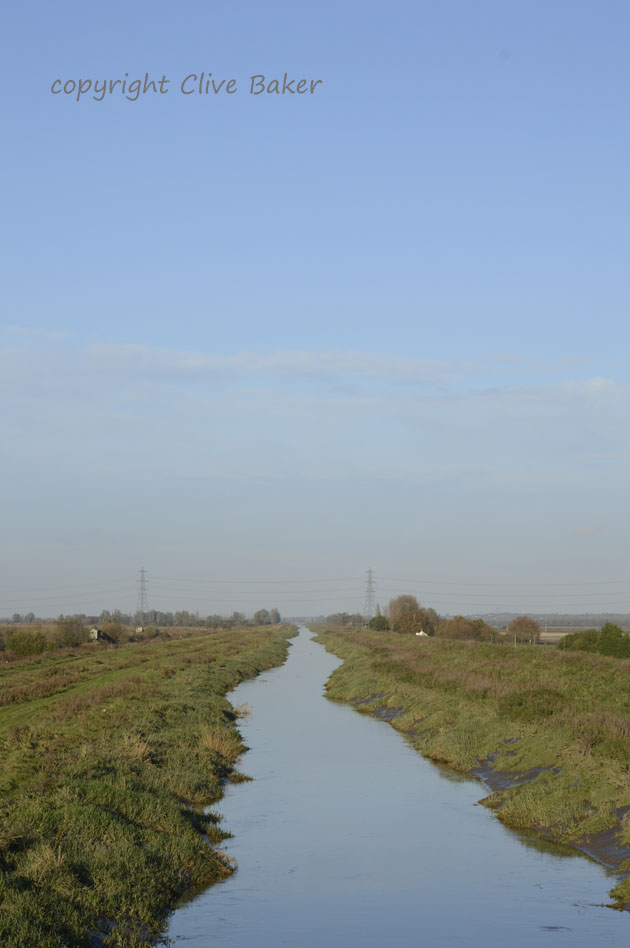
Looking from bridge over river

Looking North over the Bedford New Cut, Welney

Looking over the fens of Cambridgeshire and Norfolk today it is hard to imagine that the landscape was created by the hands of men with the basic tools of a wooden spade and a woven basket to move the earth.

The draining of the fens began around 1631 when the first drains were cut to channel the water from the vast wetlands, this was a landscape where people used boats to move between villages as there were few or no roads, the people who lived here did not want their way of living changed so the early group of gentlemen adventurers who were financing the drainage found it hard to get local labour to carry out the scheme.

I suppose you could say their salvation came from the English civil war in the form of forced labour using prisoners, like around 500 dutch sailors taken from a sea battle off Portland Bill, but the majority of the prisoners they used were Scottish soldiers who fought against the parliamentary ‘Roundheads’.
Many of these prisoners were held in gaols and were forced marched from places like York to the fens to start the digging of drains and straightening and deepening of existing rivers to increase the water flow and digging of new large new drains like the Bedford New cut 21 miles long.

They were made to wear white course wool suits to make them stand out as prisoners, they lived in wooden huts that were dismantled and moved along as they dug out the drains.

Life was hard as they dug and carried their baskets of mud to create the banks, many died of exhaustion, bronchial or malaria related diseases in the harsh landscape of the fens, as it was costly to move any bodies to graveyards the bodies were buried in the banks of the drains.

The Scots were preferred to be used  for this work as they were hardy and came from a land where the conditions were like those of the fens even if the landscape was very different, many managed to escape and were helped by local fen folk who were opposed to the draining, an escaped prisoner was not pursued if they managed to get as far north as the River Trent.

After the end of hostilities many were released and returned to their native Scotland, but others stayed and married local women.

As you look today at the banks they created you will notice the flat tops, by doing this they had made walkways to make getting around the fens easier, they also made roads on the reclaimed land so really we have a lot to thank these men for as we travel with ease around the fens, perhaps we may pass by the forgotten body of one of the thousands of Scots who died creating this landscape one that we could say was ‘Made in Scotland’

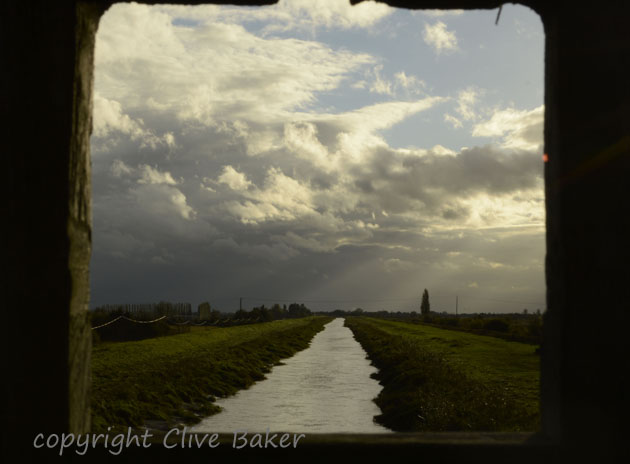
Bedford new river from bridge

Bedford new cut from footbridge at WWT Welney

Tragic drowning of Sea Scouts

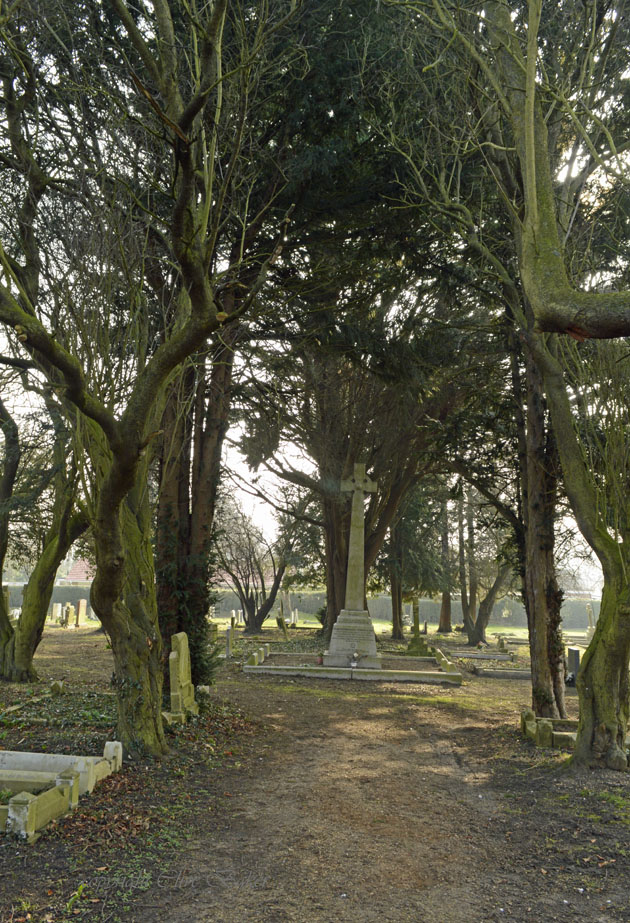
Today I returned to my home village of Carlton Colville near Lowestoft in Suffolk, I have wanted to write about this incident that happened over 100 years ago, I had seen the graves in the local churchyard that even then was known as the ‘New Churchyard’ it is not next to the church not a few yards up the road just up from what was the old school-house, in the centre surrounded by now tall yew trees is a large grave with a towering stone cross.

Large stone cross under trees

New Churchyard Carlton Colville

You are drawn to the large cross as you enter the Churchyard, and it was here I first saw the names and the ages beneath at the time I was younger and they seemed so much older and mature to me then but when I visited today they are all so young.

On Whit Monday June 1st 1914 Six members of the 1st Carlton (St Marks) Troop of Sea Scouts drowned on the River Waveney beneath Somerleyton bridge after their boat capsized, I have found quite a detailed account here Broadland Memories that goes in to more detail of the event.

Unknown to me then I was later to find there was a family connection as my Great Uncle Billy Hall was the son of a boat builder in Norfolk. Uncle Bill’s Father and Grandfather had their Boatyard in Reedham Norfolk and the main trade for ‘Halls’ boatyard was to build the Norfolk Wherry, a trading barge used on the Norfolk Broads, he told me he remembered his Father and Grandfather having to make the coffins for the scouts and their leaders, he believed the bodies may have been brought to the yard, at the time he may have been around the same age so this would have had an impact on him.

The Scouts and their leaders were buried on June the 5th 1914, the Bishop of Norwich conducted the funeral and thousands of people including 300 scouts lined the route from Oulton Broad to Carlton Colville and there were forty’ mourning coaches’

Main Inscription

The Main Inscription on the base of the cross

The victims were:

T W P Lory the Scout Leader

T W P Lory the Scout Leader

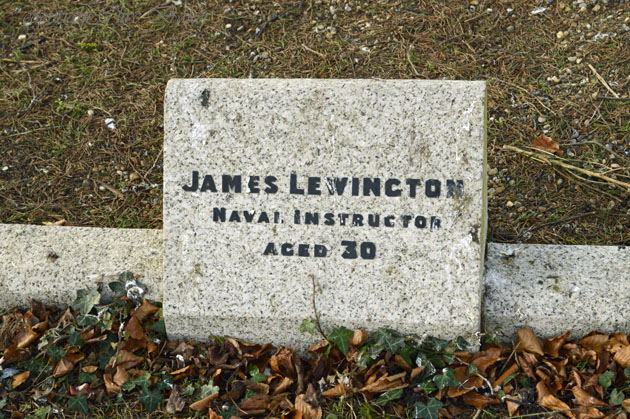
James Lewington Naval Instructor

James Lewington Naval Instructor

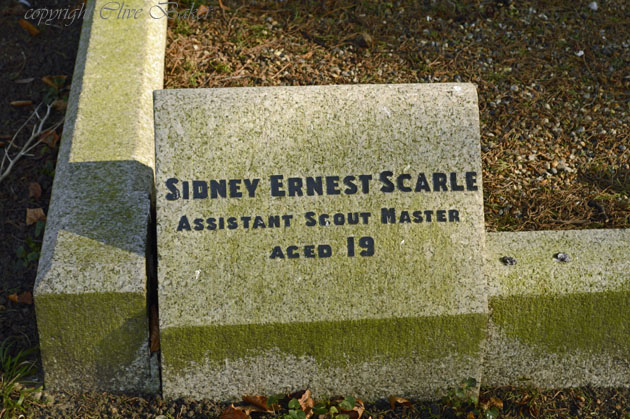
Sidney Scarle Assistant Scout Master

Sidney Scarle Assistant Scout Master

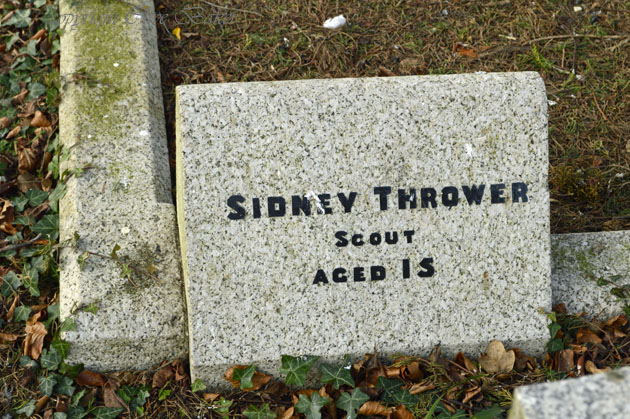
Scout Sidney Thrower

Scout Sidney Thrower

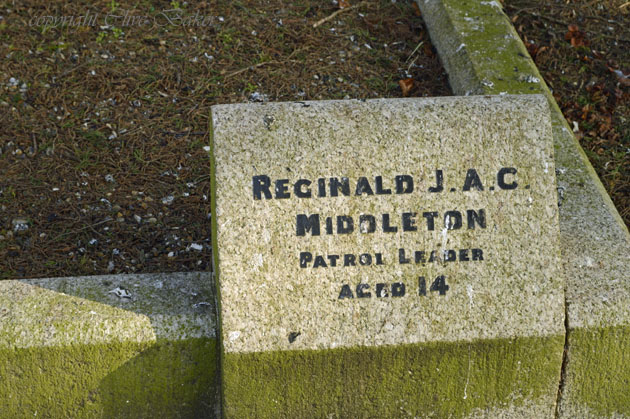
Scout Reginald Middleton

Scout Reginald Middleton

Scout Arthur Beare

Scout Arthur Beare

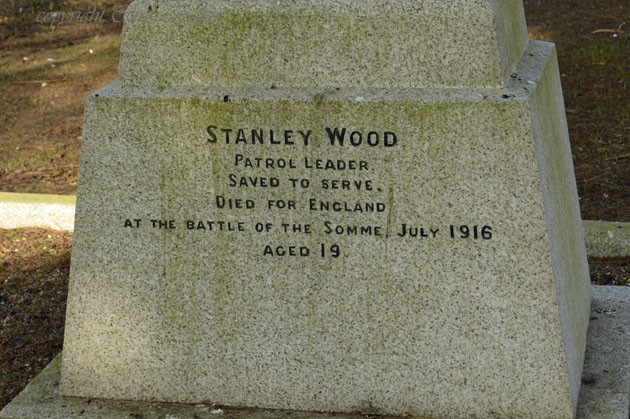
And maybe there is one more sad footnote to this Tragic event, there was one scout Stanley Wood who was saved in the disaster, he must have been racked with guilt that he had survived as in the book ‘Carlton Colville Chronicles’ Canon Bignold describes Stanley Woods ‘as a bright, clever boy, respected and popular with everybody’, Canon Bignold had told Stanley that God had reserved him for greater things, Stanley was killed in the Battle of the Somme in July 1916, aged 19.

Stanley Wood survived the disaster to die in the Somme

Stanley Wood survived the disaster to die in the Somme

A sad story that seems so sad even now.

Wicken Fen

Today I had a day off work an appointment in the morning but the afternoon was free, so I decided to have a walk around Wicken Fen, it was a dull day and the light was really low, but it is always a joy walking round what is the oldest nature reserve.

As I left the car park and walked down the track past the centre I could see lots of birds on the feeders, including a male and female mealy (common) redpoll the male already showing its breeding colours having a red tinged breast, slightly larger than the lesser redpoll which you are more likely to see in the Summer, I was lucky to see these two birds as there are usually only about 310 birds in the winter and only 3-4 breeding pairs in the Summer.

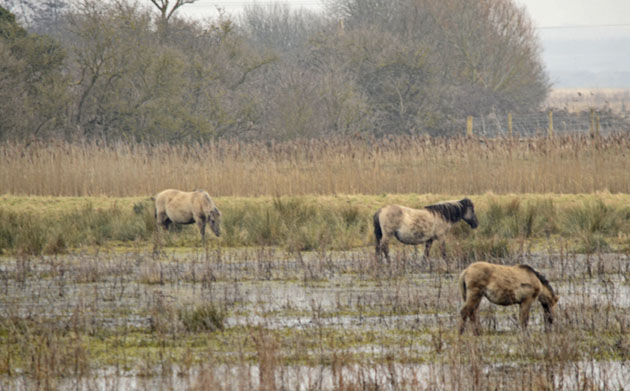
As I walked round the fen I was soon away from any walkers and regretted not wearing any gloves as it can get cold out here, I could see the Konik ponies on the fen, used here as they tend to feed on young trees and scrub and in doing so they are keeping the fen as it should be.

Threes ponies feeding in very wet conditions

Konik ponies grazing on the fen at Wicken

I stood and watched for a while and took in how quiet it was, no sound of Traffic only the wigeon whistling on the fen.

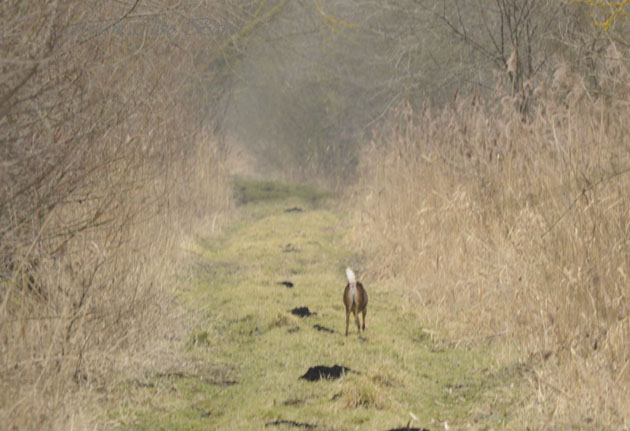
As I turned up the track I could see in the distance a Muntjac deer grazing on the track, there were more Konik ponies grazing in another field I stood here a while when suddenly a barn owl seemed to fly from nowhere, un seen by me it had been sitting on a low branch at the side of the field as when it had finished it’s hunting it returned there.

Barn Owl flying low over a field

the sudden appearance of a hunting Barn Owl

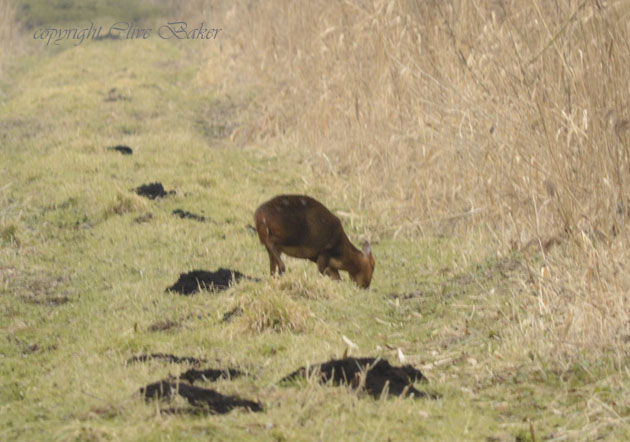
I watched the Barn Owl hunting for a while and decided to carry on up the track, The Muntjac was unaware of me and carried on grazing I managed to get close.

Small deer feeding on track

Munjac was unaware of me as I walked along the track

I wondered how close I could get, but all of a sudden it heard me and sprinted off up the track tail up and soon disappeared into the reedbeds.

Deer running tail up in the air

The Muntjac takes flight

I was now turning back towards the main centre as I walked along Wicken Lode, but I could just make out something in the red beds in the distance and using my scope I could see a male Marsh Harrier sitting on a post turning its head looking from side to side the eyes not missing a thing, I watched him for a while until he flexed his wings once or twice then he took to the air flying over the reeds and away.

All in all for such a cold grey day there was lots to see, even if my hands were cold.