Morning dawns on the last day of the year

Another bright, cold day dawns over the East Anglian landscape.

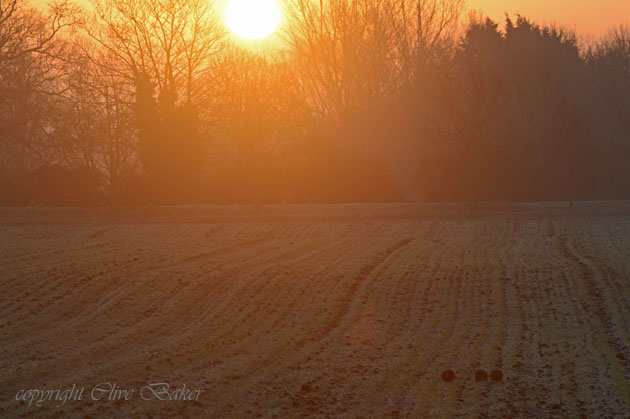
The Sun rises over the East Anglian Landscape on New years eve 2014

The Sun rises over the East Anglian Landscape on New years eve 2014

Time to reflect on what has been and images captured on camera and in one’s mind, sometimes images remain in your mind and others are captured to share, like red-legged partridges feeding in a frost covered field as the sun rises in the East.

Birds feeding on ground as sun rises

Red legged partridges feeding in a field as the Sun rises.

What ever this day brings to you I hope it brings you happiness.

My website 2014 in review

The WordPress.com stats helper monkeys prepared a 2014 annual report for this blog.

Here’s an excerpt:

A San Francisco cable car holds 60 people. This blog was viewed about 640 times in 2014. If it were a cable car, it would take about 11 trips to carry that many people.

Click here to see the complete report.

A hard frost but a sign of warmth?

It was a very hard frost this morning and in places where the Sun did not show the frost has remained all day, but the sky was blue and on my early morning walk with the dog the birds were looking for food and as it was cold they were putting more effort into searching rather than singing, but as the rising sun cast long shadows over the frosted grass the Robins were starting to sing whilst other birds like long-tailed tits made their contact calls keeping in touch as they flitted in the trees.

Long shadow of man

The rising Sun created long shadows over the frosted grass

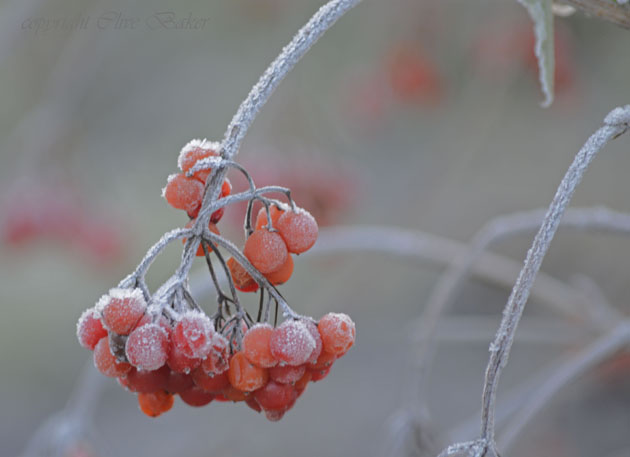
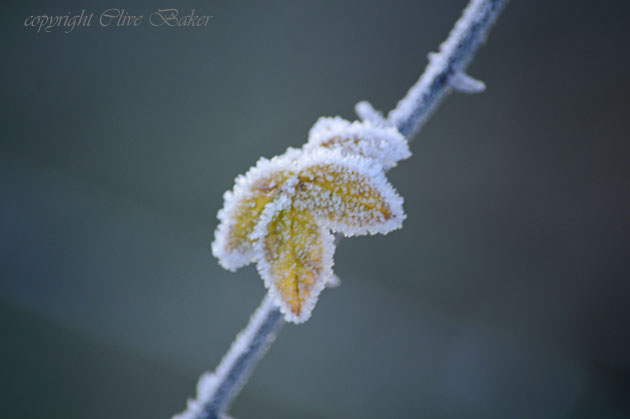
The frost had made jewels of the berries and leaves that caught the Sun and sparkled like late Christmas decorations in the hedgerows.

Frost covering red berries

The frost made jewels of the berries

Frost covering  a golden leaf

and the leaves in the hedgerows

But as it was so cold the Fieldfares and Redwings joined the Blackbirds as they gathered berries, flying in front of us as we made tracks through the frost the Fieldfares gave out their loud ‘rattle’ warning call, but I bet if this cold snap continues they will soon get used to us humans as we go about our business.

Bird in flight

The Fieldfares gave out their ‘rattle’ call and flew ahead of us.

As Poppy explored the frost and the sun began to climb, there was some warmth in the Sun and it made me think that in a few months time we could be seeing the first signs of Spring but we may see some colder days yet, but as if to give hope I saw my very first Snowdrop in a garden today, only one flower but could that be a sign of  warm days ahead?

Border collie dog in frost

Poppy exploring in the frost

Nearly there

As we near the end of another year I sit and reflect on what I have seen and achieved in regards to the natural world, time to reflect on the happy memories and nearly time to look at the bird list and have I seen more species of bird this year than previous years.

Time to sit down and work out what subjects to cover in my monthly Wildlife Watch group meetings in 2015, work out where we shall go on our travels to see new things and maybe get some good images, this time last year I did not have a website so I will hope to have more images on here for you to see.

One thing I have already made a promise to myself to do is to walk and discover some of the footpaths in East Anglia, perhaps even walk some that I have not done since my childhood and capture some of the images along those paths as well as some of the East Anglian Sunsets like the one today.

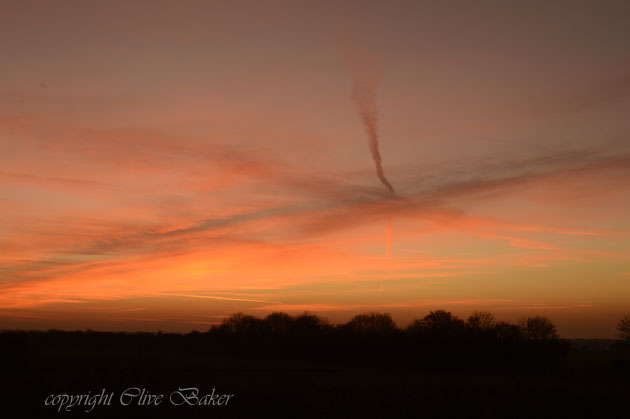
Red sky and silhouetted trees

Sunset over Ely December 29th 2014

Winter Solstice

December 21st is the longest night and shortest day of the year and is also the winter solstice here in the Northern Hemisphere (summer solstice in the Southern Hemisphere).

The winter solstice is a time of celebration for pagans and marks the start of Yule, also the rebirth of the Sun and the start of winter.

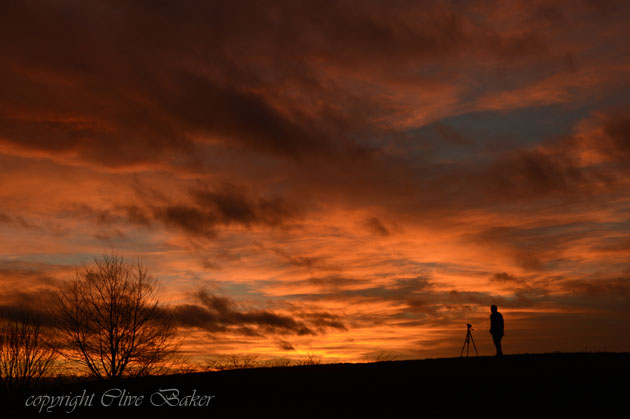
So I was not surprised to see such a dramatic Sunset today, as luck would have it there was another photographer also ready for this sunset and I managed to get some images of him against a sky that appeared to be on fire.

Man against a Sunset

Winter Solstice Sunset

There ever-changing light and a change of position gave some nice shots.

man aganst the sunset

Winter Solstice Sunset, Ely Cambridgeshire.

Ok I took over 40 images but I will use only three here.

Man against Sunset

Winter Solstice Sunset, Ely, 21-12-2014

Windy Wicken Walk

Today I decided to have a walk round England’s oldest nature reserve, Wicken Fen my aim was to see if I could see any Hen Harriers or Short-eared Owls as I have been hearing reports of sightings over the last few days.

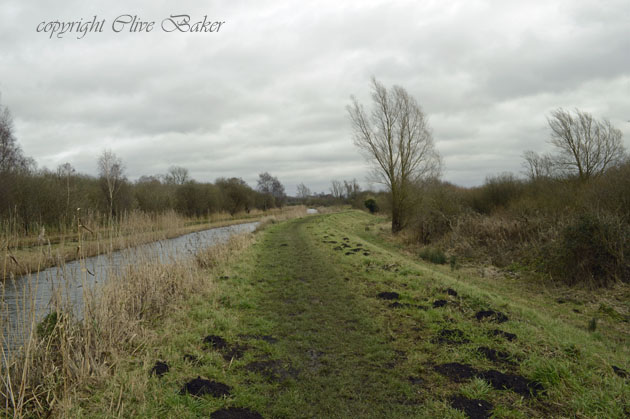
Muddy footpath beside small river

The footpath along Wicken Lode

I started my walk along Wicken Lode, a lode is man-made waterway, which are Roman in origin, the were cut to provide access to villages that were to the east of the River Cam.

Along here I had seen Redwing and Marsh Harriers, but no Short-ear owls, a great spotted woodpecker flew over me into the scrub on the other side of the lode, it’s undulating flight making short work of the head wind.

Open fen and grey sky

Bakers fen Wicken

As I left the path along the lode I headed towards Bakers fen and soon turned into the wind, I was getting the full force of the wind now as I had it to my back along the lode, it is more open here and I did not think I would see much bird life, but I managed to see a female Stonechat on a reed stem also a Little egret on Bakers fen as I headed towards Adventurers fen and turned right up the track heading back towards the lode again I put up a large flock of Redwing getting berries in the shrubs on the side of the track, I was sheltered here but the track was very muddy, it was hard going but I soon reached the track along the lode again and headed back to Upware where I had started.

Unfortunately no Hen Harriers or Short-eared owls, but a bracing walk around an ancient Landscape and the sound of the wind made it that more wild.

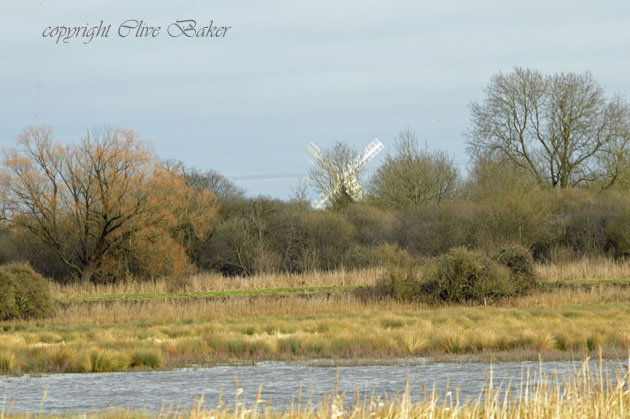
Windmill behind a reedbed

St Edmunds fen Wicken

Short Post today

Short Post today as I have had to pick my daughter and Son in Law up from Heathrow airport this morning and we have had a family day at home.

But I can report that on the way home from Heathrow (it was then daylight) I saw large flocks of Winter thrush, Redwings and Fieldfares also as the Sun was getting starting to melt the overnight frost Buzzards were starting to take to the wing, we had good views as they flew low over the road in front of us.

On returning home I topped up the bird feeders and soon the House sparrows, Chaffinch, Robin and Wood pigeons were feeding in the garden.

So tonight I shall have a beer and reflect on a good day with my family and open a good English Ale for my American Son-in-law.

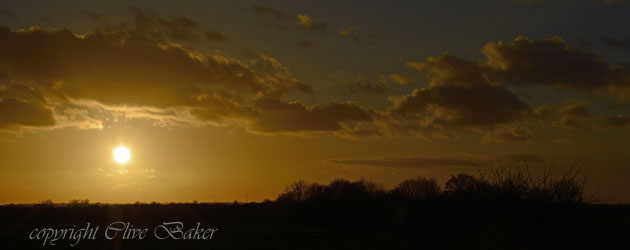
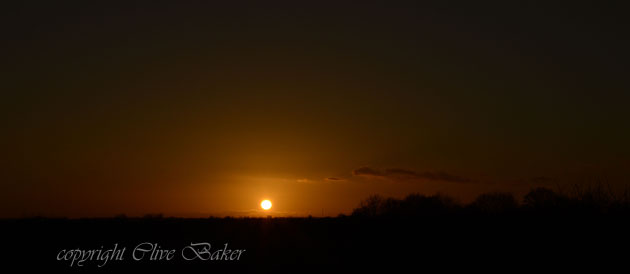
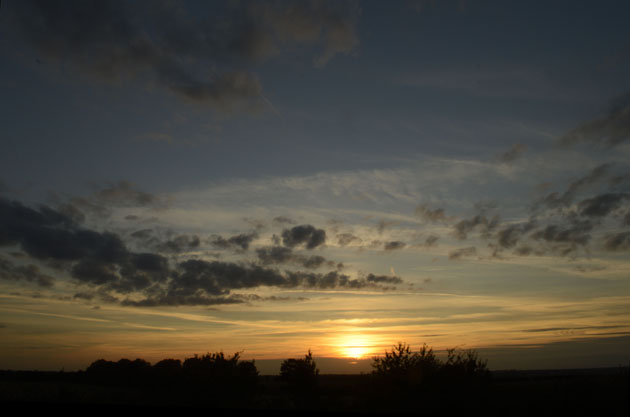
But I will leave you with an East Anglian Sunset

East Anglian Sunset

East Anglian Sunset

The Tree

The thing I find about the East Anglian Landscape is the changes of objects we see every day by the seasons, for example there is a tree in a the middle of a field not far from where I live that I pass everyday, but it is only by looking at images I have taken of this tree at different times of the year that I can see the changes and what wonderful tree it is.

tree in full leaf in middle of field

The tree in Summer

How full it looks in Summer, the wildlife that must depend on it for food and shelter.

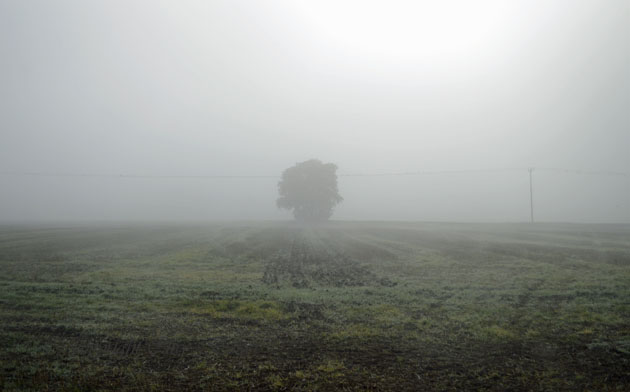
Same tree in a misty field

Tree in mists of Autumn

The tree still holds on to it’s leaves in the first Autumn mists of October.

Tree lost it's leaves

tree in last days of Autumn

And as Autumn moves on so the tree sheds its leaves and takes on another form in the landscape.

Rising sun behind trees

Sun rises over the East Anglian Landscape

Until finally it shuts down for the Winter and waits for the first warm days of Spring.

A cycle repeated every year, how long has it stood there and what has it witnessed, how long will it remain standing there in that field, maybe we should all just take a few minutes to look and wonder at the landscape around us and appreciate what we have.

Towers and Spires

If there is a building feature that dominates the East Anglian Landscape apart from the Windmills and Pumps of the Broads and Fens, it must be the Towers and Spires of the many churches and the Cathedrals (of which there are nine).

Because of the Landscape most of the churches can be seen from miles away, mainly the square Norman towers or the round Saxon towers dominate.
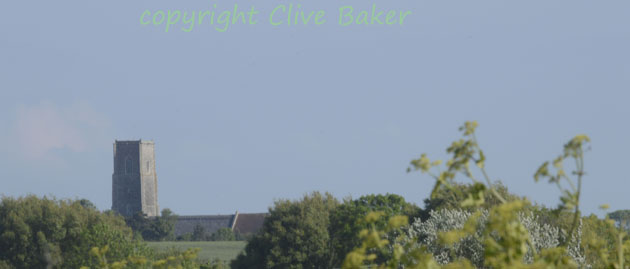
Square tower of Kessingland Church

Kessingland Church, Suffolk

The more elaborate churches were built by wealthy families who were made rich by the wool trade, a typical ‘wool’ church is Holy Trinity Church in Long Melford, Suffolk. Constructed between 1467 and 1497 in what is called the Perpendicular Gothic style.

Ely Cathedral dominates the fenland landscape, the monastic church that stood on the site of the shrine of St Etheldreda became a cathedral in 1109 and the city of Ely grew up around it over the years.

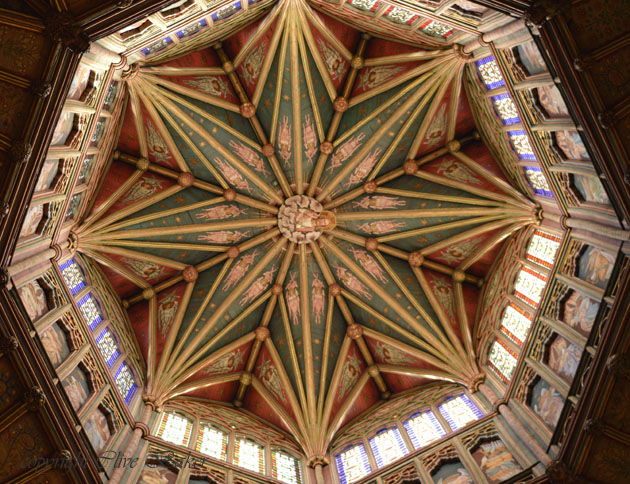
The ceiling of the Lantern tower, Ely

Looking up at the Lantern of Ely Cathedral

Added to over the the following years  the most impressive feature of the cathedral is the Lantern tower built above the Octagon which was constructed in the 1320’s, made in wood and glass.
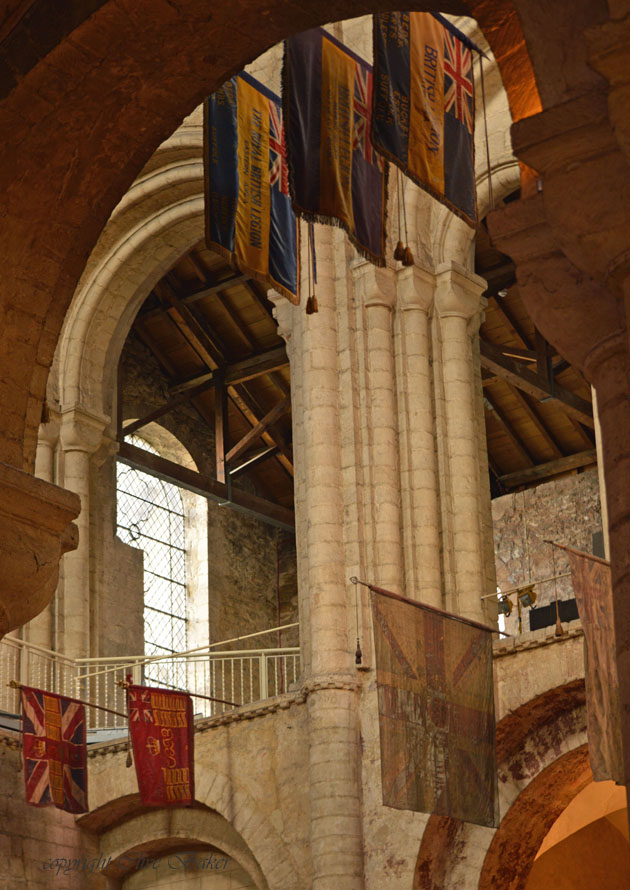
Military flags hang in Ely Cathedral

Flags from battles hang in the arches of Ely Cathedral

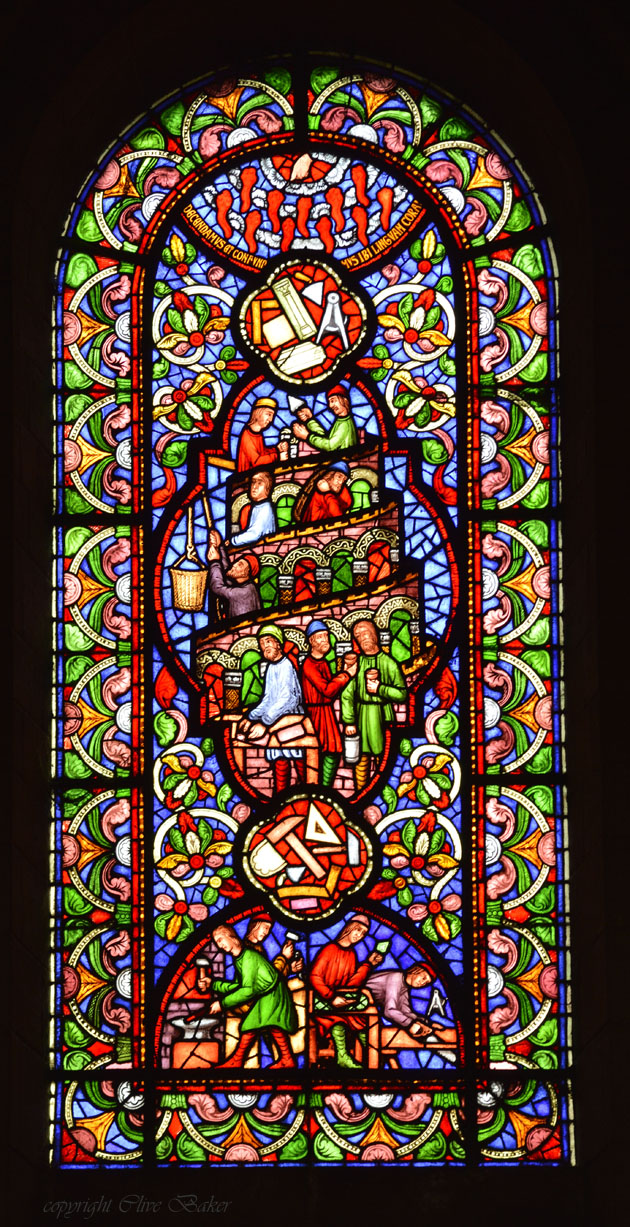
It is always worth entering these churches of East Anglia just to learn more about the history of the area as stories can be seen just in the stain glass windows.

I have walked through and round some of the graveyards of Norfolk, Suffolk and Cambridgeshire and sometimes you come over a small window of the past just by the inscription on a gravestone, like the youngboy in a Norfolk churchyard who drowned in the 1800’s after he fell through ice on a pond on his way to School, or the bodies of unknown sailors washed up on a beach in Norfolk also in the 1800’s.

Some churches stand alone in the landscape as the villiage that they once served have disappeared, maybe all the villiagers were taken by the Black Death of the 1300’s

Stain glass window

Stain glass window in Ely Cathedral telling the story of its construction.