Wetlands of the East Anglian Landscape

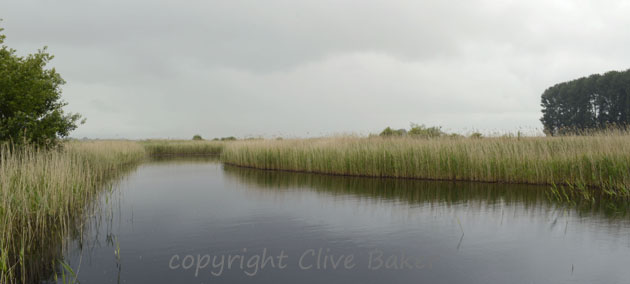
Looking over water to reed bed

Lakenheath Fen, RSPB reserve, from mere hide.

Most of the East Anglian countryside was once dominated by wetlands from the fens in the West to the Broads in the East, today the are still some real gems of this wetland habitat surviving, important for lots of Wildlife, with rare species that were on the brink of extinction this country like the Bittern to the one of the two largest of our spiders in the United Kingdom, the raft spider with a leg span of 70mm, they prefer to live around acidic bogland or wet acidic grassland.

The Bittern can be hard to see as it walks through the reeds, but I was lucky  to see one land at the edge of reeds at RSPB Lakenheath in June, I had my camera to hand and just managed to get a photo before it disappeared into the reedbed, people are often surprised at how large the bittern is and it looks like a large moth as it flies over the reedbeds, more it is heard ‘booming’ like  a sound like someone blowing down a drain pipe.
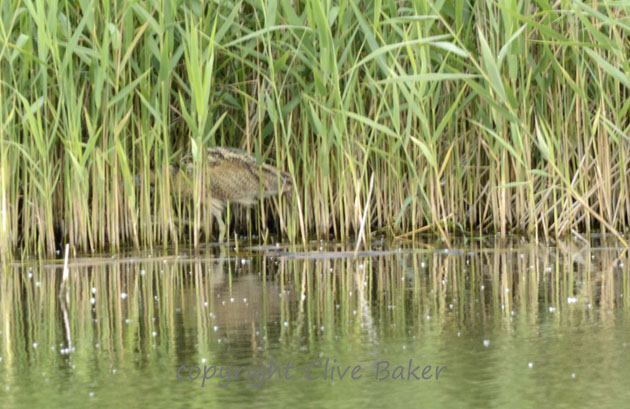
Bittern disappearing into reeds

Bittern disappearing into reedbed at RSPB Lakenheath.

On that same day in June I saw another bird of the water, a Kingfisher, brightly coloured but somehow missed by lots of people as it sits perched on a reed or branch waiting to catch a passing fish,  as it flies low over the water and the light catches the electric blue plumage is the only time you may know it is there.
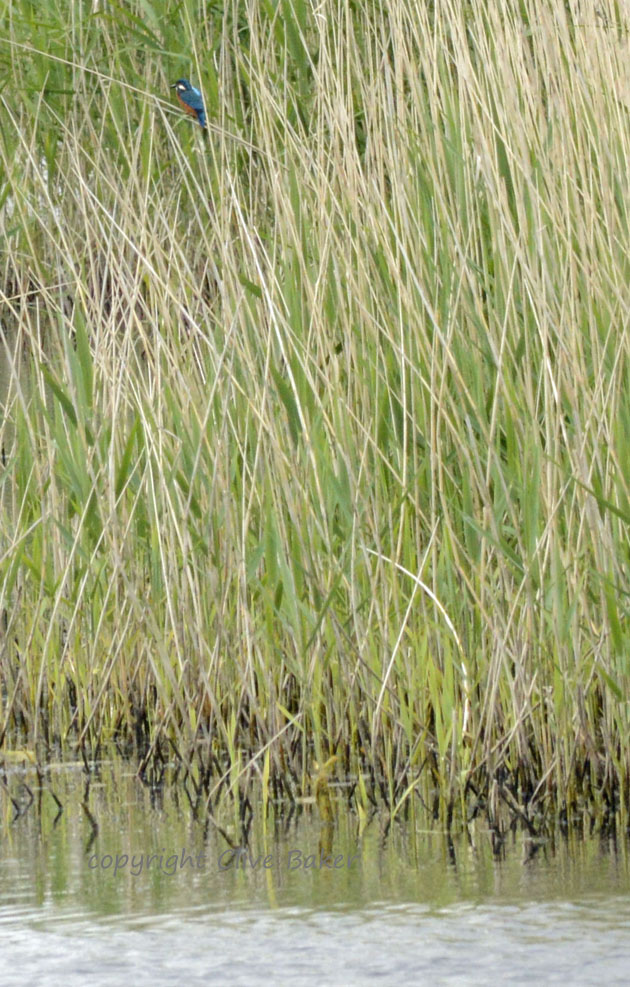
Kingfisher sitting on reed waiting for fish

Kingfisher on reeds, RSPB Lakenheath.

This is a habitat of the East Anglian Landscape that is worth protecting for all kinds of wildlife and ourselves.
The Dark Landscape

Leaving for work at this time of year is always in complete darkness for me which does have its for and against, on the plus side I do get to hear the odd Tawny owl calling, usually the female calls a ‘Toowit’ sound followed by a male calling a ‘Toowhoo’, hence the old saying ‘to woo someone’, so I was once told. I  also nearly walked into Muntjac deer as it wandered along the deserted footpath in the town, also hedgehogs not yet in hibernation trotting along the side of the footpath looking for slugs in the wet grass.

Another plus on clear cold mornings it is the stars and if you are lucky the odd satellite moving from horizon to horizon, I did get a bonus on Thursday morning when the international space station went from West to East in front of me at 5:50am I could see it for a nearly 4 minutes, NASA provide a handy website ‘Spot the Station’ so you know if and when you can see it from where you live.

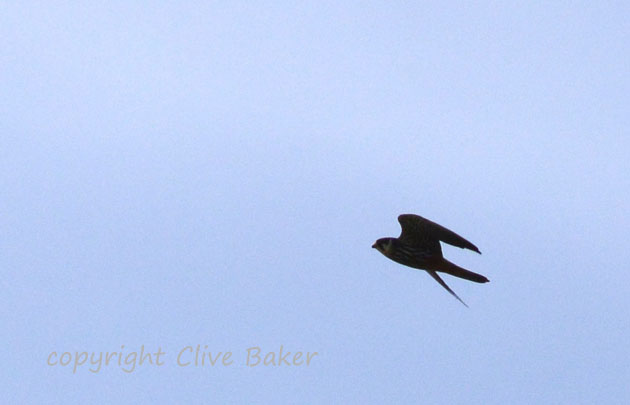
On the down side I can not see the usual wildlife from the train as I travel to Cambridge as it is too dark, usually I can count, fox, deer, Marsh Harrier, Buzzard and in Summer the odd Hobby.

Hobby small falcon

Hobby

But for now I have to make do with reading a book until the mornings get lighter.

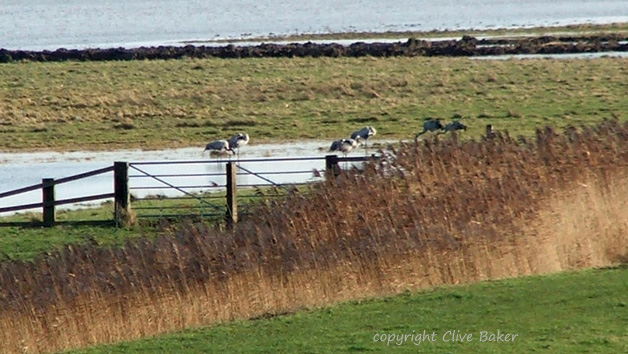
This Weekend is the Festival of Swans at WWT Welney, So I will be helping there tomorrow,  9 common cranes were sighted there yesterday, so hopefully they will still be about, in the Winter there have been up to 13 cranes flying together, known as the ‘Fenland Flock’ this would be sight to see, I have been lucky enough to see 6 fly in together and managed to get a photograph even with them being quite a way off I think you can see they are cranes.

Flock of six common cranes feeding in field

Common Cranes


Climate Change?

Every Month in the Autumn and Winter months our Local Group of the Wildlife trust hold talks on a wildlife related themes, one of the ones that stands out was by Brian Eversham, Chief Executive of BCN Wildlife Trust on Climate Change which he gave us the following predictions and facts

• there has been a doubling in the frequency of climate-driven environmental catastrophes since 1980;
• up to 50,000 human deaths in Europe were caused by the ‘hot’ summer of 2003 (which was only 2°C warmer than the current average, and may be the norm by 2050);
• a 1°C temperature rise would threaten 10% of species with extinction;
• sea level in the Thames estuary is now rising by 3mm a year, and this will increase to 8.5 mm a year by 2055;
• global carbon emissions mean that the chances of limiting warming to 2°C is now very unlikely.

On the plus side he said 80% of British wildlife species are southern and eastern in their current distribution, so can be expected to increase and spread in response to climate warming, IF the landscape is fit for them to move through. These are the potential ‘winners’.

I did not need to look far this week as already I have seen flowers in bloom you would normally expect to see in May like cranesbill that I have seen this last few days flowering in Ely and Cambridge.

Small pink flower, cranesbill

Cranesbill

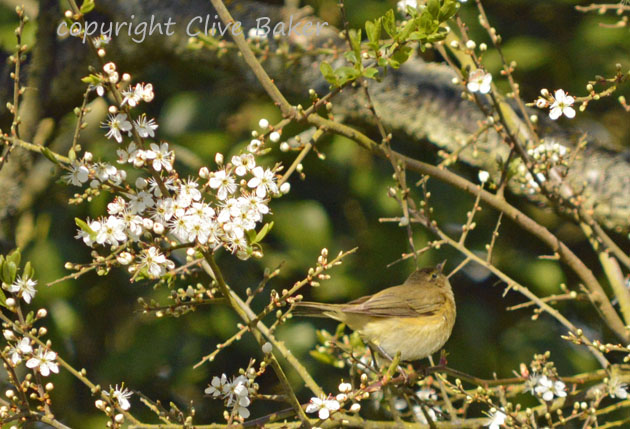
Also we have seen ‘Summer’ birds like Blackcaps that breed in Britain and Ireland and migrate south in Autumn to winter in the Mediterranean and Africa, but the BTO has recorded over recent years Breeding Blackcaps from Europe heading West to spend Winter in Britain and Ireland, also last January I saw Chiffchaffs in Ely they normally arrive in Early Spring but it seems they are spending Winter in Britain and Ireland as well, could this be a sign our Winter’s are milder and they are able to find food. Best we keep our bird feeders well stocked and maybe we will see these new Winter birds in our gardens during cold snaps.

Small bird, Chiffchaff feeding in tree

Chiffchaff, on May blossom

Winter visitors to East Anglia

After a hectic weekend, Watch group Saturday,Swan feed and talk at WWT Welney Sunday, I usually sit back and reflect on a Monday evening to what I have gained in knowledge and from meeting people.

Saturdays Watch theme was Winter visitors, I gained satisfaction the children (and parents) had learnt why birds visit this country in Winter and saw how much food there is for them in our hedgerows, why we will need to put out food for them in Winter as the natural food starts to disappear in the countryside and as the season gets colder.

At WWT Welney the theme is the same why the Whooper and Bewick Swans fly here in Winter from Iceland and Siberia, in my talk I try to cram in the History of the Fens and of course the wildlife, but best of all I get to talk to people who come there for all sorts of reasons, some just to see the Swans, some serious birders to get that one rare bird of their tick list for the year.

On Sunday I spoke to two ladies who had travelled up from the Isle of Wight to spend a week in Norfolk, two ‘Birders’ who always come to this ‘oasis’ as they put it at this time of year, and two photographers who described the area as magic, I really could not have put it better.

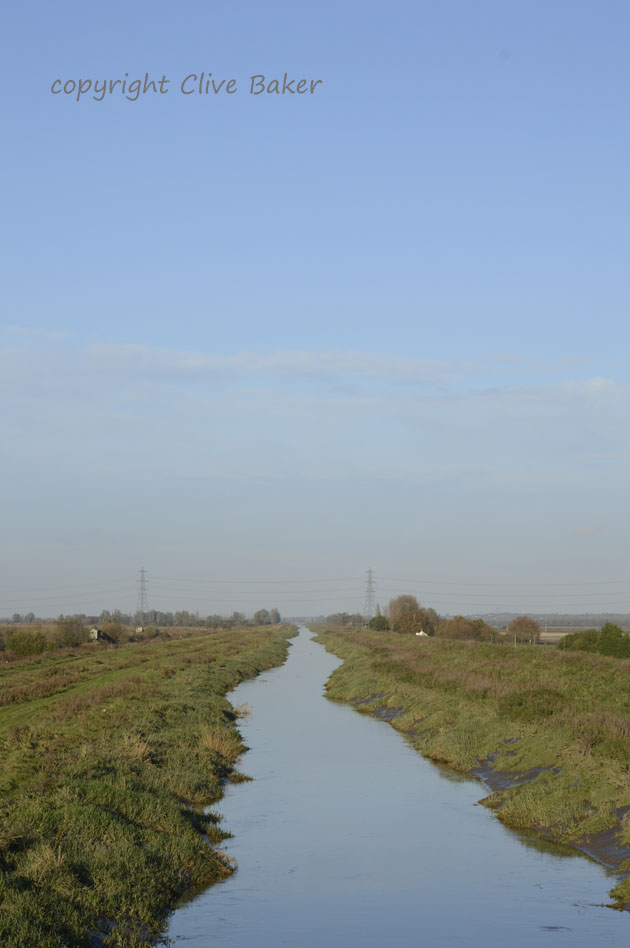
Looking from bridge over river

Looking North over the Bedford New Cut, Welney

man walking over footbridge

Walking over the footbridge to the main observatory, WWT Welney

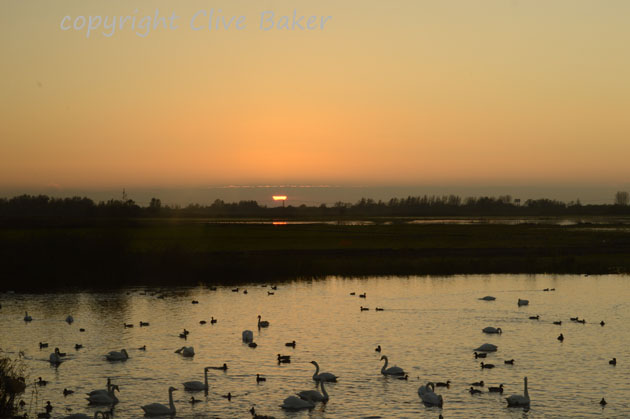
Setting Sun over the Ouse Washes

The Sun sets over the Ouse Washes, WWT Welney

Fenland Landscape

Most of the East Anglian Landscape has been shaped by man, very few untouched areas remain, most have been changed due to farming needs, some like the Norfolk Broads were formed due to peat digging.

The Fens have been changed due to drainage for reclaiming the land for agriculture, once an extensive area of wet fen that stretched from Cambridge to the South and Lincoln in the North now only a few areas of this wetland remains.

Drainage started in the mid 1600’s and actually finished in the 1800’s, there are many books that tell’s you the history of this area but the main drainage was carried out by using the existing Old Bedford river taking out the curves and bends to make one long straight ‘drain’ or cut, then parallel to this a new cut was dug the Bedford New river, dug by hand using prisoners of war from France and Scotland a wash was created 20 miles long and 1/2 mile wide separated by the two cuts.

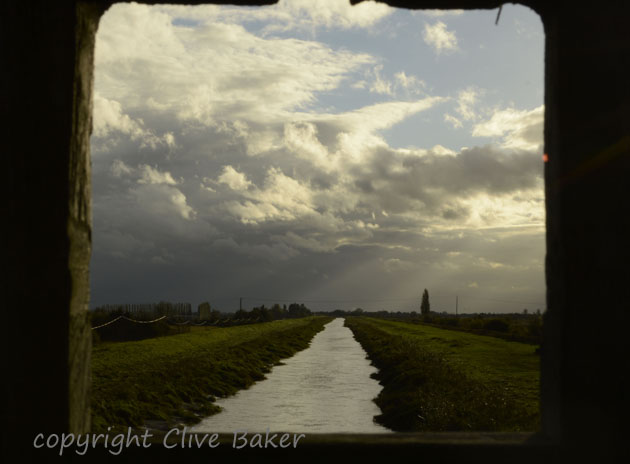
Bedford new river from bridge

Bedford new cut from footbridge at WWT Welney

They say most of the prisoners were buried where they died digging the drains, but what they have preserved is the way the people who lived around the fens used the land before it was drained and that is for grazing cattle in the Summer and when the cattle was moved in Winter to higher ground like Ely they used the fen for wildfowling and fishing.

Today the landscape is flat and open making it a land of Big skies, in fact it could be called the bread basket of Britain for the amount of crops now grown in the fertile peat soil, but it does have some of the most amazing dawns and sunsets.

Dawn over Fenland

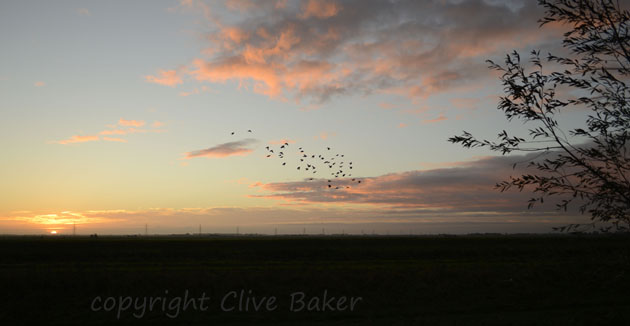
Dawn breaks over the Fenland countryside as Lapwings take to the air

Sprouting crops in field

Winter crops sprout in the Autumn dawn in the rich fenland soil

East Anglia rich in wildlife

One of the great things about living in East Anglia is the amount of great nature reserves we have here from the Norfolk Broads and Suffolk heaths in the east the long beaches and salt marshes to the North and the fenland to the West, and in between jewels of small reserves with rare species of insects and plants unique to their habitats.

Charles Rothchild who was a banker and a keen entomologist, as a result of industrialisation had seen the decline of wildlife and their habitat due to the draining of the Fens, which by the late 1800’s had disappeared by nearly 99%.

He purchased Wicken fen in 1899 which became our first National Nature reserve and is  the oldest in Great Britain, this was followed not long after by his purchase of Woodwalton fen.

I was lucky enough to visit Woodwalton Fen in July and saw for myself the rich insect life there and also Rothchilds bungalow which sits in the centre.

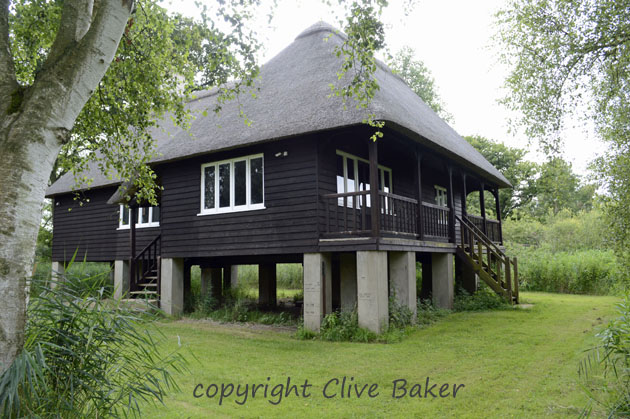
Bungalow in the middle of Woodwalton Fen

Charles Rothchilds bungalow in Woodwalton fen

Desk and chair in Rothchilds bungalow

The Study in Rothchilds bungalow, Woodwalton fen

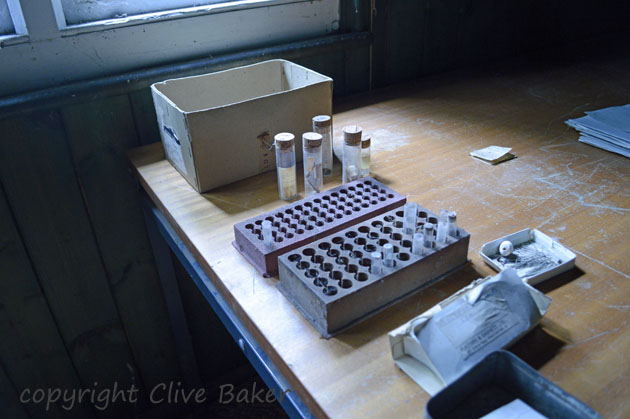
Specimen jars on table of study

Specimen jars in Study

old stove with table and chair in kitchen

the small basic kitchen of Rothchilds bungalow.

Woodwalton is still very much a nature reserve and is at the heart of the Great Fen Project, an exciting project which will see a large area of land put back to fen and will become one of the largest wetlands in Europe, which can only be as magical as this reserve is now.

Large water filled drain edged by trees

One of the drains that surrounds Woodwalton fen

A cold November day and memories of May

It feels more like a typical November day today chilly and dark, in fact it is only just daylight by the time I get to work, I walk in darkness to the train station, but the Robins are singing under the false dawn of the street lamps, it is these dark mornings I notice how close the blackbirds get to your feet as you scuffle along in the fallen leaves, perhaps they are behaving like true woodland birds as they along with Robins would follow wild boar as they uncovered slugs and worms in the leaf litter of old woodlands.

It is days like today I think back to what is now seeming to be those far off days of late Spring and Early Summer, like late May when we spent a week in Kessingland visiting family and old haunts like Dunwich Heath.

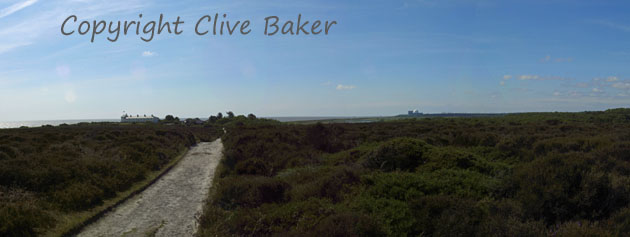
Dunwich Heath, Suffolk

Dunwich Heath

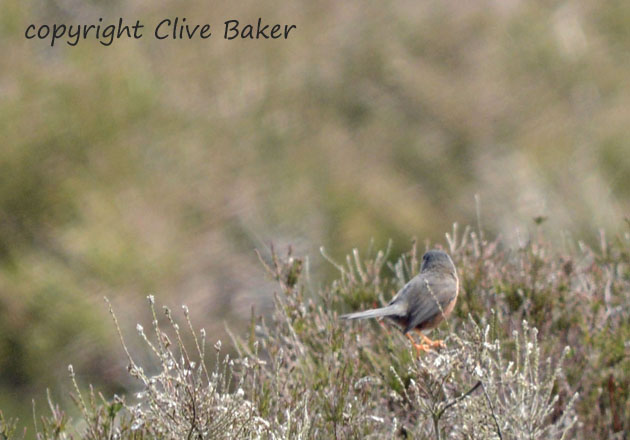
Dunwich Heath was always rich in birds and wildlife, but in recent years it now has a rare breeding bird that I would never have seen in my childhood years, the Dartford warbler which I was lucky enough to get an image of this year, now breeds on the heath, but sometimes their numbers take a tumble if we have a harsh winter so can be hard to find at times in the following spring.

Dartford warbler on gorse

Dartford Warbler, Dunwich Heath

So let us hope the winter is short and not a harsh one and it will not be so long before we can walk along the beaches of Suffolk and the heathlands are full of nesting birds.

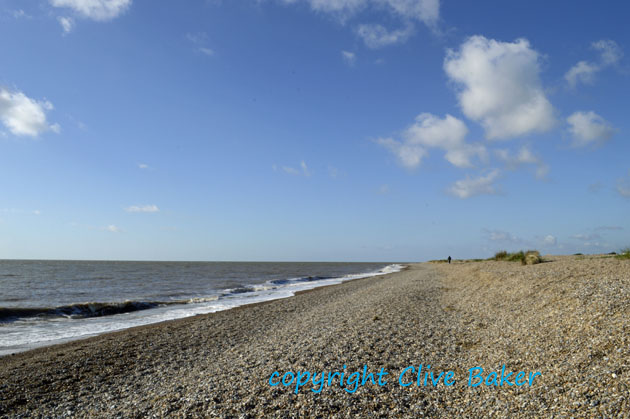
Kessingland Beach

Looking South on Kessingland beach, Suffolk

Could this be the start of a Normal November?

First job of the day is to walk the dog, on stepping out side even though it is still mild the wind had got up and I could see we had not long had some rain.

I grabbed my camera and binoculars just in case we had some winter visitors flying in, most of the birds on the berries appeared to be Blackbirds but no sign of any Redwings or Fieldfares.

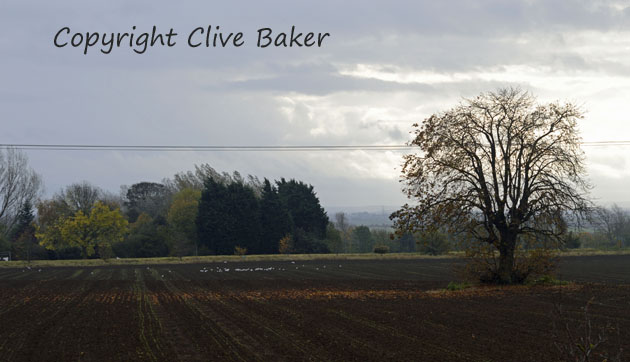
Passing some of the freshly ploughed fields I could see that a lot of the trees had shed their leaves overnight  and this gave me a clue as to why there were no winter birds and the leaves were lying north-east of the lone Oak in a field which told me the wind had come from the South West and the reason it was still mild.

Lone Oak tree in Field

Lone Oak in middle of field with leaves on North East side

After feeding the dog, and putting out food for the birds in the garden it was mostly a day spent inside due to the heavy rain showers.

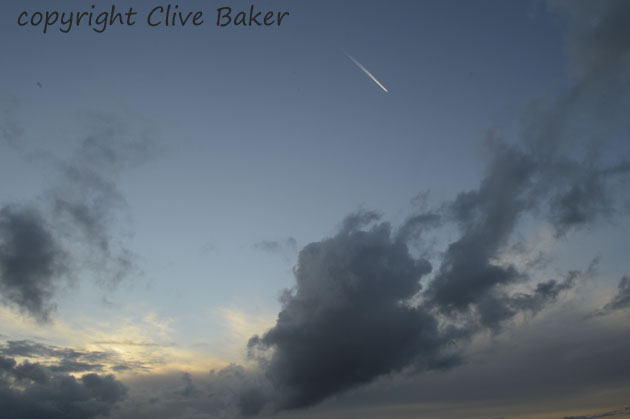
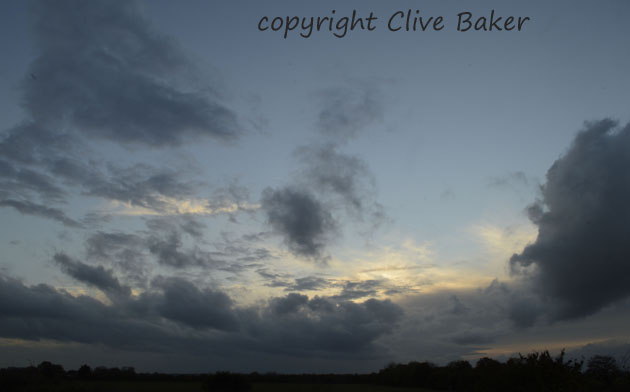
I was able to catch up on a few things but kept looking out for a break to get out with the camera as luck would have it I managed to get before Sunset and take some shots of the Fenland sky, usually very dramatic after rain I found todays to be very calming with the Aircraft flying to west and the sun catching the vapour trails.

Sunset with airplane vapour trail

The sun catches an aircraft’s vapour trail

Sunset over fenland

Big Fenland sky

A new Month, a new Day

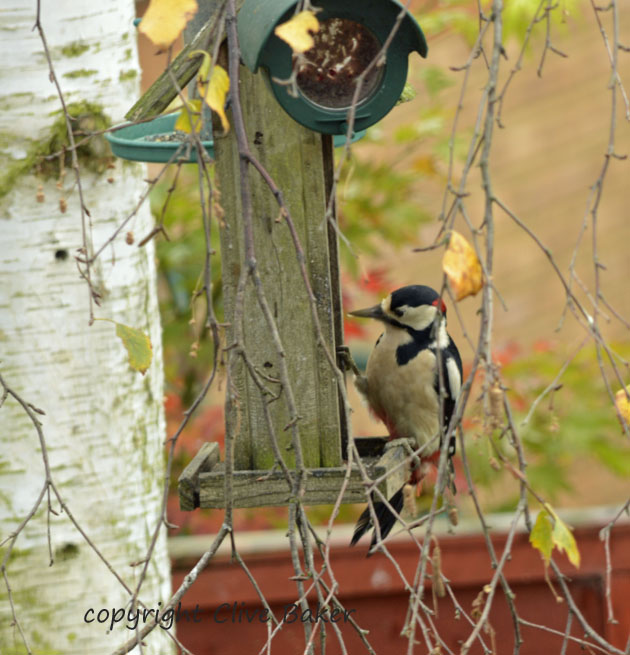
November can be a grey Month, but today was warm and as the progressed was bright and Sunny, the first visitor to the garden feeders was a male Great Spotted Woodpecker, I had not seen one in the garden since last winter.

Woodpecker on feeder

Male Great spotted woodpecker

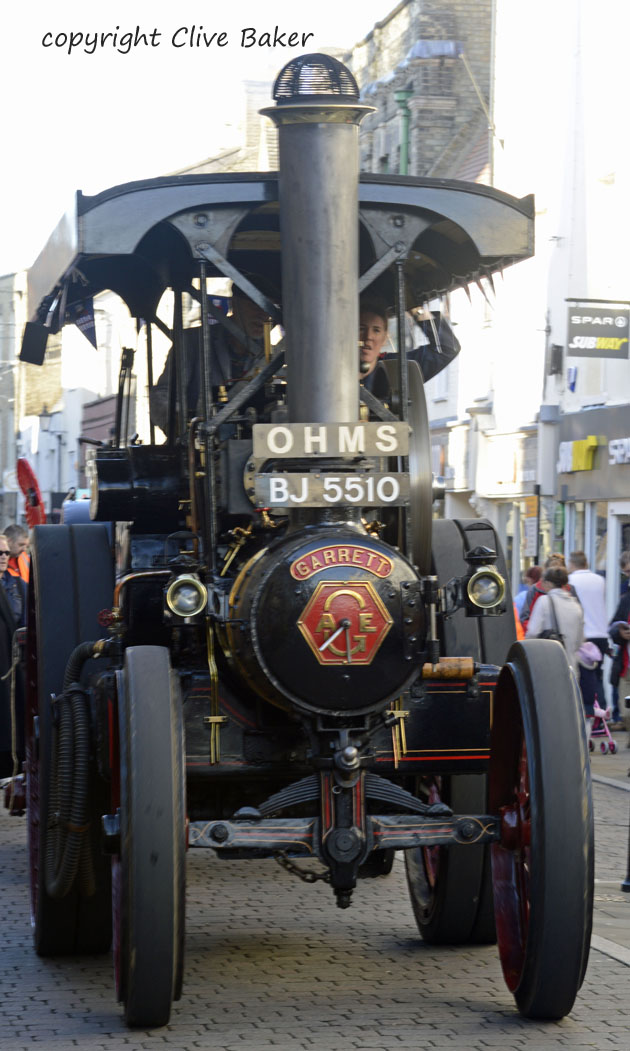
We walked into Ely so I decided to take my camera and was rewarded with plenty of sights first a steam engine traveling down the high street

Vintage Steam Engine

Steam Engine in Ely high street

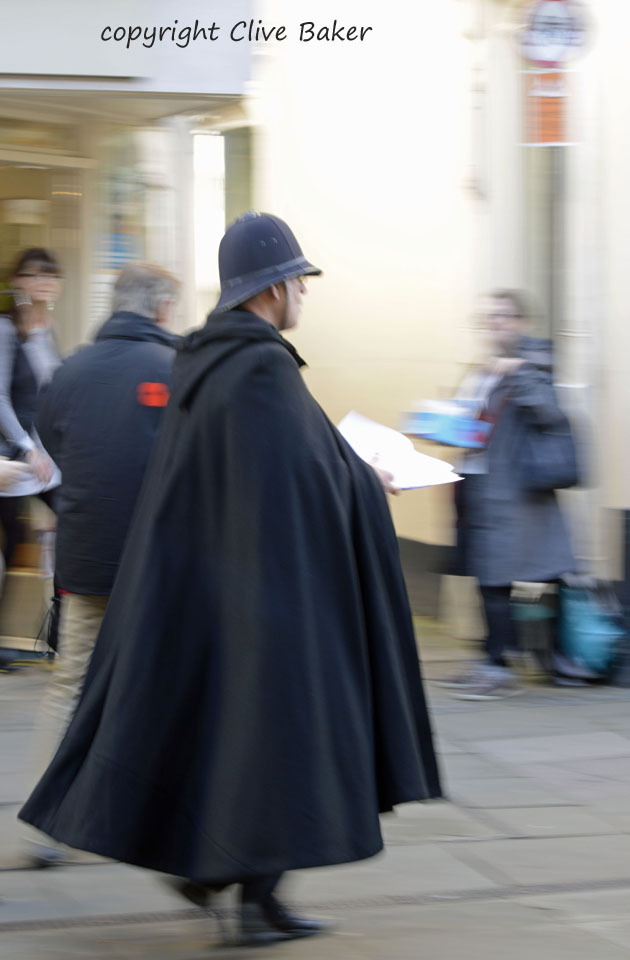
Which was escorted by an Edwardian Policeman

Man dressed as an edwardian policeman

Edwardian Policeman escorting the Steam Engine

The we came upon a wedding at the cathedral where the wedding party arrived by horse and carriage.

Carriage pulled by two white horses

Wedding party arriving by carriage

The afternoon was spent at WWT Welney where I gave the 3:30 pm Swan talk and feed, this week to 85 people, there are lots of birds arriving now, lots of Golden Plover estimated around 2,000 birds, Kingfisher, Geese, lots of wading birds and of course the Whooper swans, I managed to get some more images, one of which is of these Geese landing

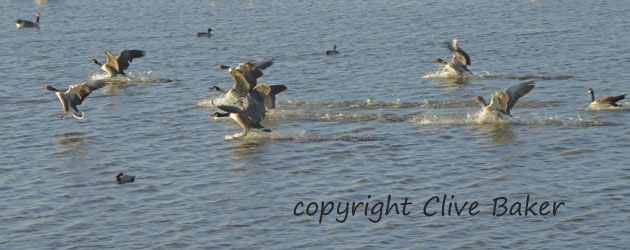
Geese landing on water

Graylag and Canada geese coming in to land at WWT Welney

And it is always worth waiting for a fenland sunset

Sun setting over water

the Sun sets over Welney

Another Mild October day

I was up early again to take the dog for a walk, it was clear and there were many stars, I could see Orion and the Plough and it looked as if we were going to have another Sunny day, how long will this last? I have already heard Redwings flying over at night coming in from Scandinavia so are they ahead of the cold weather?.

This evening there is already cloud building up so maybe I will wake up to rain in the morning.

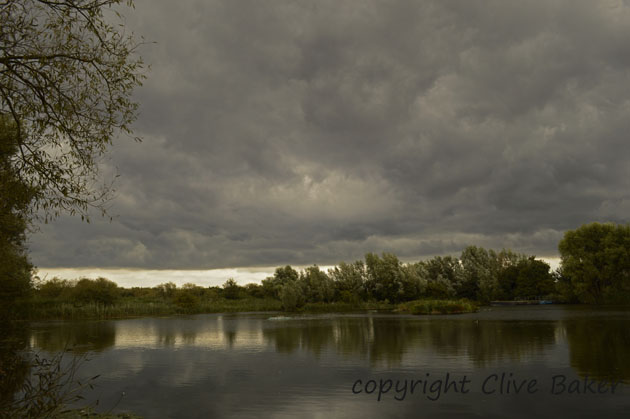
Cold front of cloud over small body of water.

Cloud over Roswell Pits, Ely