East Anglia a region of variety

I have just spent a few days in North Norfolk and whilst there it confirmed to me what a great part of the British Isles we have here not only for living and working but also for pastimes.

For example the wildlife and in particular the bird life.
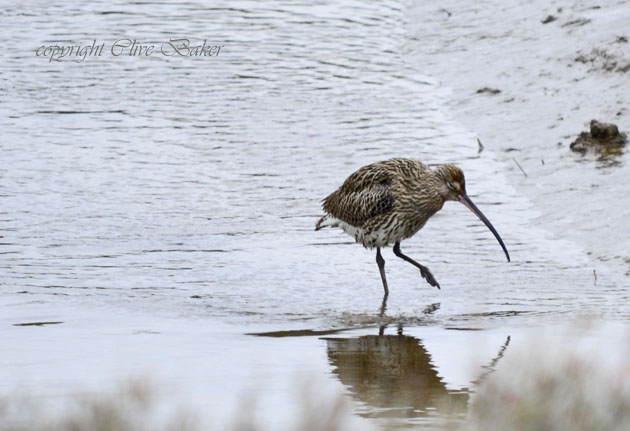
Wading bird with long curved down beak

Curlew at RSPB Ticthwell, North Norfolk

there are a number of nature reserves all over East Anglia and North Norfolk is one of the hot spots for seeing wading birds, with the RSPB reserves at Titchwell and Snettisham.
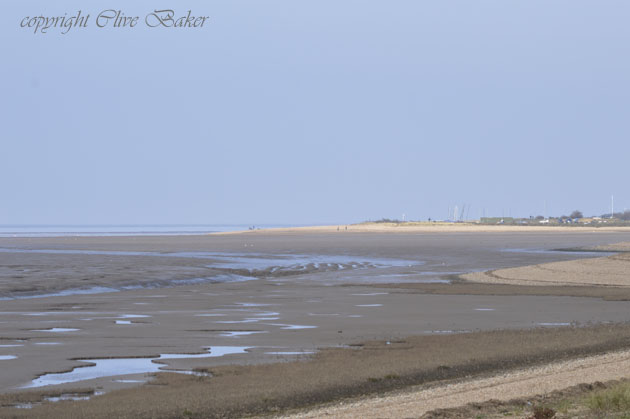
Vast beach

The Beach at Snettisham, a hotspot for seeing large flocks of wading birds.

Not only are there vast beaches but also woodland that attract walkers all year round and also sports events like Orienteering, sometimes these woods can be magical at first light all the more so in spring when they echo with birdsong.

light and shadow in woodland

First light on a spring morning in woodland at Sandringham

It is not only the people who live or visit the region that enjoy it but the animals they bring with them, horses and dogs love the freedom of the beach and the many footpaths.
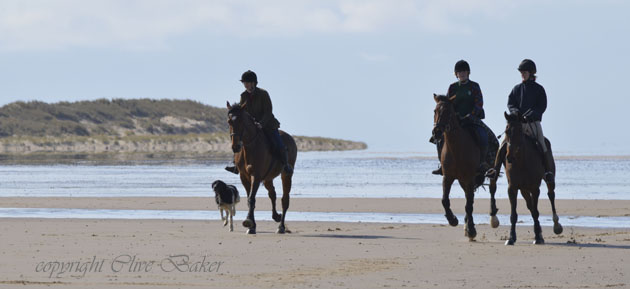
Three girls on horseback with dog running on beach

Horse riders and pet dog gallop on Holkham Beach

From beach to woodland, there are many places in our region to enjoy at a gallop or just an easy walk, if paradise was East Anglia I would go tomorrow.

Three walkers on beach

A gentle walk on Holkham beach, Norfolk
The Fens made in Scotland

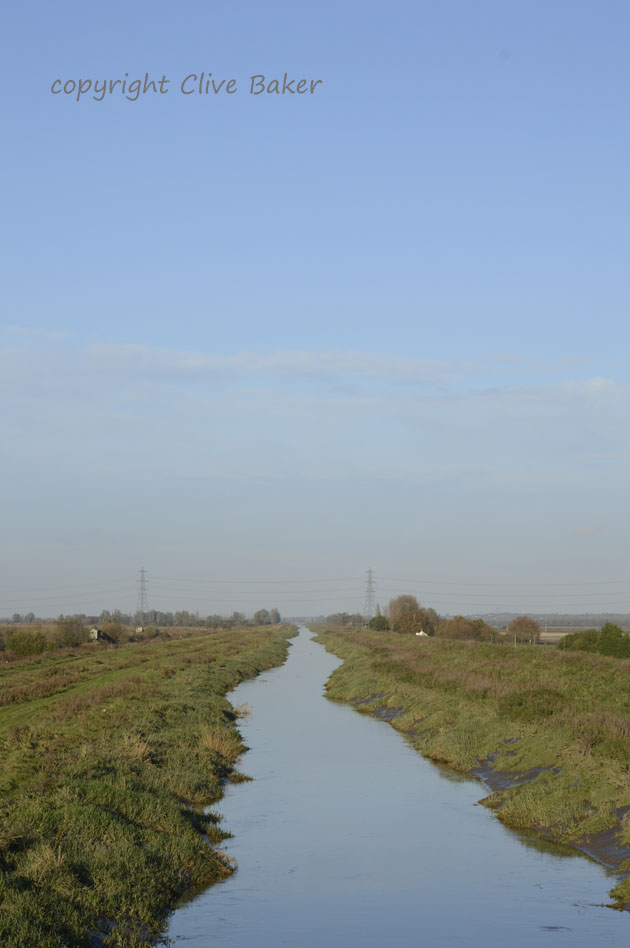
Looking from bridge over river

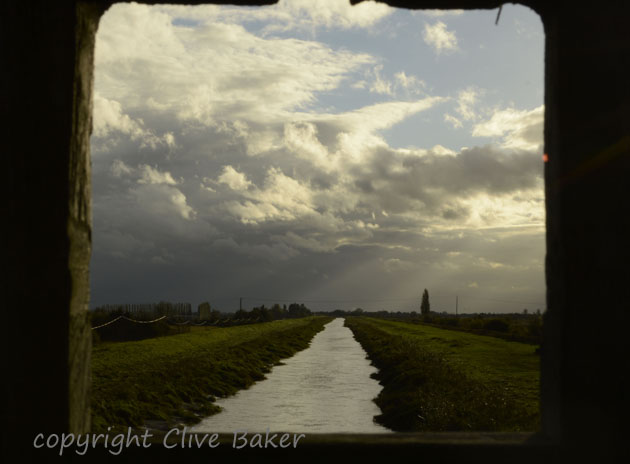
Looking North over the Bedford New Cut, Welney

Looking over the fens of Cambridgeshire and Norfolk today it is hard to imagine that the landscape was created by the hands of men with the basic tools of a wooden spade and a woven basket to move the earth.

The draining of the fens began around 1631 when the first drains were cut to channel the water from the vast wetlands, this was a landscape where people used boats to move between villages as there were few or no roads, the people who lived here did not want their way of living changed so the early group of gentlemen adventurers who were financing the drainage found it hard to get local labour to carry out the scheme.

I suppose you could say their salvation came from the English civil war in the form of forced labour using prisoners, like around 500 dutch sailors taken from a sea battle off Portland Bill, but the majority of the prisoners they used were Scottish soldiers who fought against the parliamentary ‘Roundheads’.

Many of these prisoners were held in gaols and were forced marched from places like York to the fens to start the digging of drains and straightening and deepening of existing rivers to increase the water flow and digging of new large new drains like the Bedford New cut 21 miles long.

They were made to wear white course wool suits to make them stand out as prisoners, they lived in wooden huts that were dismantled and moved along as they dug out the drains.

Life was hard as they dug and carried their baskets of mud to create the banks, many died of exhaustion, bronchial or malaria related diseases in the harsh landscape of the fens, as it was costly to move any bodies to graveyards the bodies were buried in the banks of the drains.

The Scots were preferred to be used  for this work as they were hardy and came from a land where the conditions were like those of the fens even if the landscape was very different, many managed to escape and were helped by local fen folk who were opposed to the draining, an escaped prisoner was not pursued if they managed to get as far north as the River Trent.

After the end of hostilities many were released and returned to their native Scotland, but others stayed and married local women.

As you look today at the banks they created you will notice the flat tops, by doing this they had made walkways to make getting around the fens easier, they also made roads on the reclaimed land so really we have a lot to thank these men for as we travel with ease around the fens, perhaps we may pass by the forgotten body of one of the thousands of Scots who died creating this landscape one that we could say was ‘Made in Scotland’

Bedford new river from bridge

Bedford new cut from footbridge at WWT Welney

Muriel’s Meadow

Today was quite a busy day, started early with a work party and some conservation work on a meadow managed by the Wildlife Trust, Muriel’s meadow is one a several meadows that make up Chettisham meadows near Ely, not ploughed as the soil was too heavy, although Chettisham Meadow which is owned by the Wildlife trust shows evidence of medieval ridge and furrow, so obviously ploughing was tried.

Muriel’s Meadow is named after the lady who used to live there in an old railway carriage as a child with her parents, life must have been very hard and basic as it is at least 20 minutes walk from any road then it must be at least four miles to Ely. The railway carriage is still there but is in a very bad condition but I believe Muriel is still alive and she has asked the carriage is not removed.

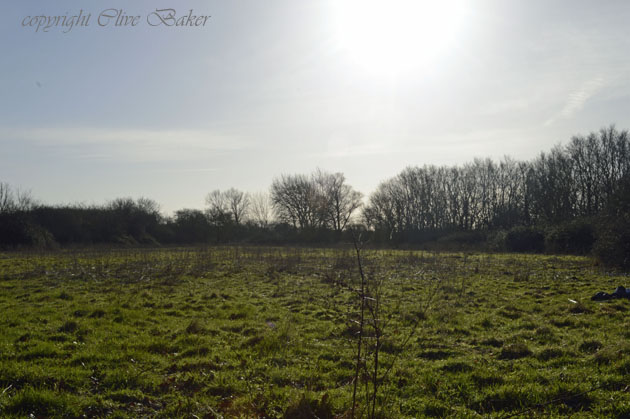
grass meadow

View of Muriel’s Meadow

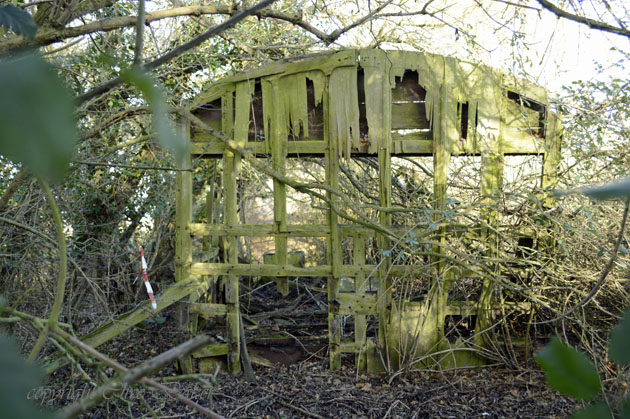
Old railway carriage is disrepair

The Old Railway carriage where Muriel lived with her parents

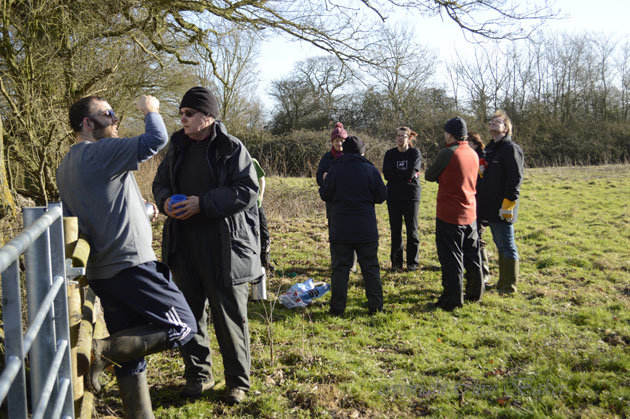
It was a fantastic bright and sunny morning and there was still ice on the puddles, the birds were singing and our job was to start clearing back the brambles by about 2 feet  so plants can grow back, we will eventually over time clear the brambles back but by doing it gradually it gives plants a chance to establish.

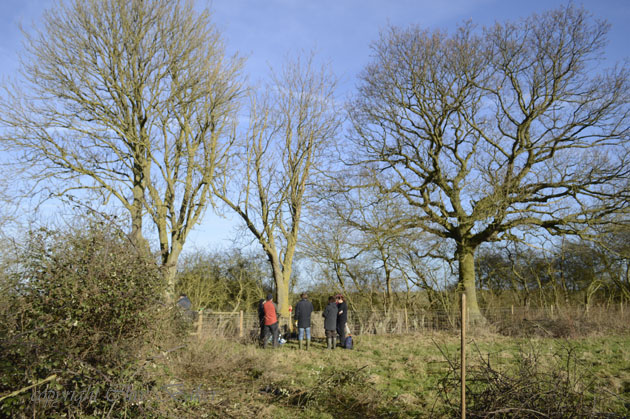
Standing by the big trees

Time for a break and tea

Goupr standing round drinking tea

A well-earned brew and a chat after clearing the brambles

The can be nothing better than working outside on such a wonderful Winters day.

Next It was off to Welney and taking the hare walk and then the swan feed and talk, full number of people booked on the walk, then the largest number of people for the swan talk at 150 in the observatory, so many in fact I had to go out again and do another feed so those at the back got a chance to see what I do.

All in all a very satisfying day.

History in the Landscape

In this day of the internet and e-mails are we in danger of not recording events that have an impact on our landscape that may local to where we live, the world has been made smaller by the World Wide Web, but 100 years ago recording events local and national was by ink and paper, by newspapers or by people keeping diaries.

I mentioned in an earlier Blog Canon Reginald Augustus Bignold (1860-1944) Rector of my home village of Carlton Colville in Suffolk, from 1898 to 1944.

Canon Bignold made a diary that he had written in the fly leaves of the Parish Records and give an insight into the village and the effect the First World War had on it, the villagers and Canon Bignold himself, discovered in 1971 by the then rector of Carlton Colville the Rev. Frank L Thomas and later published as a book by J.R. Goffin, ‘The Carlton Colville Chronicles gives us an insight in to the life of the people of a small rural community on the Norfolk / Suffolk border, near to the coast their lives revolved round the sea, land and a war in a far off land.

Now when I return to the village of my birth it is hard to tell where the village ends and the start of the town of Lowestoft begins, I could still point out where the old black smiths once stood, the church and rectory still stand and where cows once grazed in the fields round the old Hall now stands modern houses and thanks to this book I can now see the village as it was 45 years before I was born there.

Cover of Book

The Carlton Colville Chronicles, copyright Parochial Church Council of St.Peter’s Carlton Colville

For example on this day 100 years ago Canon Bignold wrote:

January 19th 1915 ‘Bombs dropped from airship on Yarmouth, The house in the village were much shaken’ (Carlton Colville is 12.9 miles from Great Yarmouth)

He continues ‘Two hundred and thirty of our men have joined H. M. Forces. I have gazetted Temporary Chaplain of the 25th London Cyclists Battalion’

(copyright Parochial Church Council of St.Peter’s Carlton Colville)

So just from that small entry over 100 years ago we have a small window on the past, the horror of the first bombs dropped from the air on civilians, the numbers of men joining up and the vision of men going to war on bicycles

The are on the World Wide Web, sites that are recording the past and I am sure there are many on East Anglia, so as i now live Cambridgeshire in the West of the region here is a link to Ely, memories of Ely Pits and Meadows

So next time you are in the countryside and looking at a pond, it may just have been created by a bomb dropped from an airship over a hundred years ago, somewhere they may be a record of this.

Winter Solstice

December 21st is the longest night and shortest day of the year and is also the winter solstice here in the Northern Hemisphere (summer solstice in the Southern Hemisphere).

The winter solstice is a time of celebration for pagans and marks the start of Yule, also the rebirth of the Sun and the start of winter.

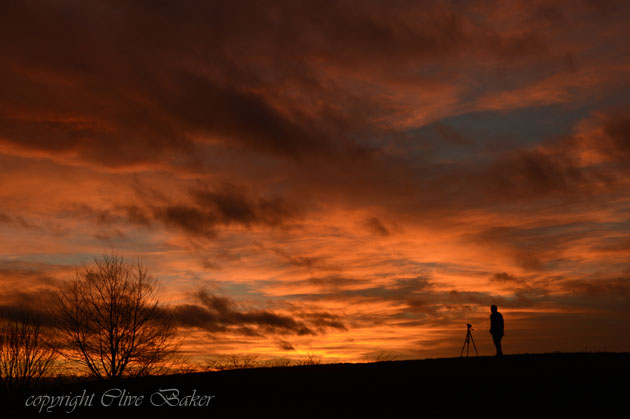
So I was not surprised to see such a dramatic Sunset today, as luck would have it there was another photographer also ready for this sunset and I managed to get some images of him against a sky that appeared to be on fire.

Man against a Sunset

Winter Solstice Sunset

There ever-changing light and a change of position gave some nice shots.

man aganst the sunset

Winter Solstice Sunset, Ely Cambridgeshire.

Ok I took over 40 images but I will use only three here.

Man against Sunset

Winter Solstice Sunset, Ely, 21-12-2014

The Sound of the East Anglian Landscape

I had been thinking today that if asked to describe the East Anglian Landscape I could perhaps describe the landscape to someone who had never visited here, from the Broads to Fens, the undulating fields of North Norfolk, vast beaches, heathlands, and the Brecklands and dominated by the Big Skies of East Anglia.

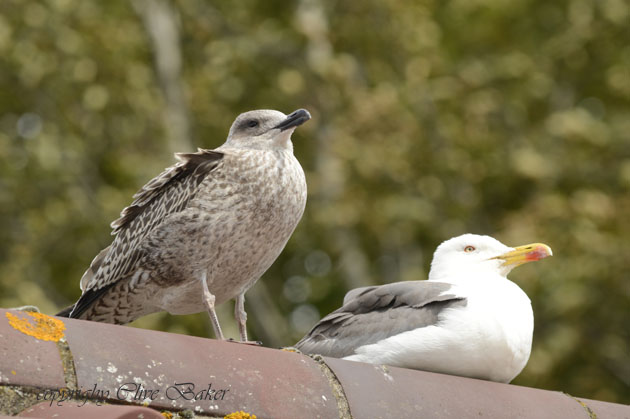
But then I wondered what would be the typical sound of East Anglia? as a child I would have said the constant cries of gulls, mainly Herring Gulls, growing up near Lowestoft there were always gulls, that and excited shouts in Summer of people on the beach.

Two gulls on roof

A young and Adult Herring gull

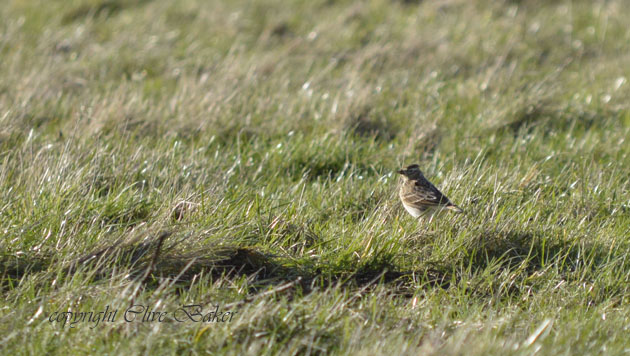
But these would be just the sounds of the coast, not of the whole landscape East Anglia, but I think the one sound that for me reflects the East Anglian landscape is that of the Skylark, I have heard it on the coast, on heath and in land on agricultural land and pasture.

I have heard its song as early as February, I am sure most people can identify its song and I bet like me they always look up to see if they can spy this small brown bird as it ascends to a great height only to drop like a parachute back to earth, it reminds me of childhood years spent exploring the Suffolk fields near my home and the constant song of a skylark always seemed to be there in the background.

Poets like Shelly and the East Anglian poet John Clare were inspired by the skylark, I heard a poem this year read on Radio 2 by Issac Rosenberg who was killed in the Somme in 1918, he wrote a poem about a skylark after returning from a night patrol and hearing  a skylark singing, it must have been a reminder of home amongst the horror he was enduring.

Sklark on ground

Skylark

Returning we hear the Larks

Sombre the night is.
And though we have our lives, we know
What sinister threat lies there.

Dragging these anguished limbs, we only know
This poison-blasted track opens on our camp –
On a little safe sleep.

But hark! joy – joy – strange joy.
Lo! heights of night ringing with unseen larks.
Music showering our upturned list’ning faces.

Death could drop from the dark
As easily as song –
But song only dropped,
Like a blind man’s dreams on the sand
By dangerous tides,
Like a girl’s dark hair for she dreams no ruin lies there,
Or her kisses where a serpent hides.

Issac Rosenberg

From land to Sea

Having been born and bred near the sea and Lowestoft was once a major fishing port, it would be no surprise to anyone that in my family would be fishermen but you would have to go back a couple of generations.

But what was a surprise to me was that my great, great-grandfather was an agricultural labourer, on an estate in Mendham which in the 1800’s was 25% in Norfolk and 75% in Suffolk, now all in Suffolk, it would seem that he was at least the second generation of Agricultural workers as his Father was also working on that estate too, but in around 1880 he moved to Pakefield in Suffolk and his son (My great-grandfather) started work as a fisherman out of Lowestoft.

I had found the 1881 census and that he was on the vessel ‘Sensation’ April 3rd and he was aged 16, all were listed as Fishermen and were a crew of 9, three of which were married  and six unmarried, obviously none could spell and the  person doing the census wrote what he thought was the correct spelling as the boat was in Falmouth and all the crew were from Norfolk or Suffolk, so we had

Loddon, Norfock, Bumbrey Sufock, Mutfort Sufock, Pakbuilt Sufock, Gislingham Sufock, Whithall Sufock, Reydon Sufock and Helstrn Sufock.

Not a bad attempt obviously we know Norfolk and Suffolk, Loddon and Reydon are correct, we can guess Bungay, Gisleham and Pakefield, but is it Westhall and  Harleston (which is Norfolk) ?

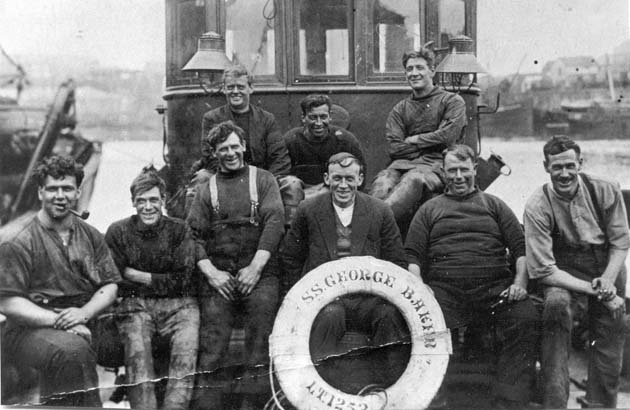
The last of the family fishermen was my grandfather pictured below

Old photo of fishermen on boat

My Grandfather in white boots on Lowestoft Fishing Boat

I feel proud to have two generations of fishing in my family as well as generations that worked the land, roots firmly set in the East Anglian landscape.

SS George Baker

Grandfather in White braces

At times it was a hard life at sea, but there were good times like above after a good catch, Grandfather died as a result of an accident at sea at the age of 48.

It was not only the elements that they faced as a danger as this extract from the Carlton Colville Chronicles shows, on this day in 1914 Canon Reginald Bignold wrote:

‘ November 30th During the month nine of our fishermen have been killed owing to their vessels having been blown up by mines. ‘

Lest we forget

My Website is named ‘East Anglia, the Wildlife Landscape and People’ and I am conscious of the fact that up to now I have not mentioned people much, so as we approach remembrance Sunday I am putting that right by mentioning two East Anglian people.

The First is Canon Reginald Augustus Bignold (1860-1944) who was Rector of my home village of Carlton Colville in Suffolk, from 1898 to 1944.

I remember seeing his grave stone by the entrance of the village church when I used to  use the church yard as a short cut as a child on my many wanderings around the village, but did not know much about him until my Mother gave me an old book she had, titled ‘The Carlton Colville Chronicles’ edited by J.R. Goffin.

Cover of Book

The Carlton Colville Chronicles, copyright Parochial Church Council of St.Peter’s Carlton Colville

This book records the diary of Canon Bignold that he had written in the fly leaves of the Parish Records and give an insight into the village and the effect the First World War had on it, the villagers and Canon Bignold himself, imagine he could hear the Guns from France as the windows rattled in the rectory by the sound waves travelled over the North Sea to Suffolk, and the time he was followed by a Zeppelin as he walked from Oulton Broad to Carlton Colville.

I will end this Blog with the first two entries of his records for November 1914, the entries in the Parish Records increases in number and volume as the War progressed and I may from time to time place quotes of some of his records on the day they were recorded 100 years before.

The next person of East Anglia is my Grandfather Harold Baker, I never knew my Grandfather but what I knew of him was that he was born in 1899 (the year after Canon Bignold became rector of Carlton Colville), he was a fisherman and died as a result of an accident at Sea in 1946. But I know 100 years ago in 1914 he was in the Navy in Egypt as I have a photograph of him, looking very young at 15 or 16 years old.

World War 1 Sailor

Harold Baker, Egypt 1914


Finally a photo of some unknown ‘Lads’, we found this photograph in a bag that belonged to a Great Aunt of my wife, we do not know who they are, how old or where they were at the time, they all look very young and we think at least one of them must have been close to this great Aunt, we do not know if he or any of them in photograph came home.

Young british soldiers

unknown Soldiers of the First World War

November 1st 1914 One-hundred and fifty-five men belonging to this Parish have now joined the Colours.

November 4th 1914 War declared on Turkey

extracts from ‘The Carlton Colville Chronicles’, copyright Parochial Church Council of St.Peter’s Carlton Colville.

East Anglia rich in wildlife

One of the great things about living in East Anglia is the amount of great nature reserves we have here from the Norfolk Broads and Suffolk heaths in the east the long beaches and salt marshes to the North and the fenland to the West, and in between jewels of small reserves with rare species of insects and plants unique to their habitats.

Charles Rothchild who was a banker and a keen entomologist, as a result of industrialisation had seen the decline of wildlife and their habitat due to the draining of the Fens, which by the late 1800’s had disappeared by nearly 99%.

He purchased Wicken fen in 1899 which became our first National Nature reserve and is  the oldest in Great Britain, this was followed not long after by his purchase of Woodwalton fen.

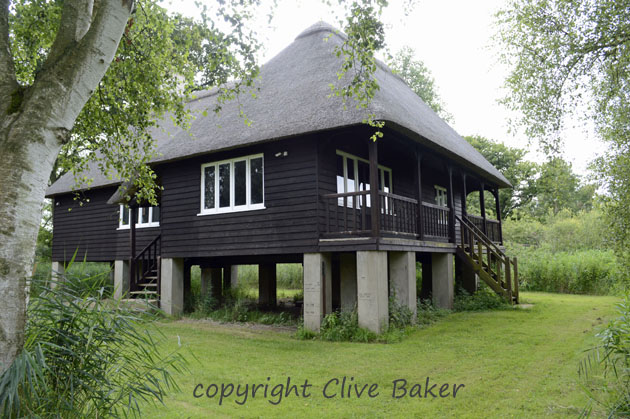
I was lucky enough to visit Woodwalton Fen in July and saw for myself the rich insect life there and also Rothchilds bungalow which sits in the centre.

Bungalow in the middle of Woodwalton Fen

Charles Rothchilds bungalow in Woodwalton fen

Desk and chair in Rothchilds bungalow

The Study in Rothchilds bungalow, Woodwalton fen

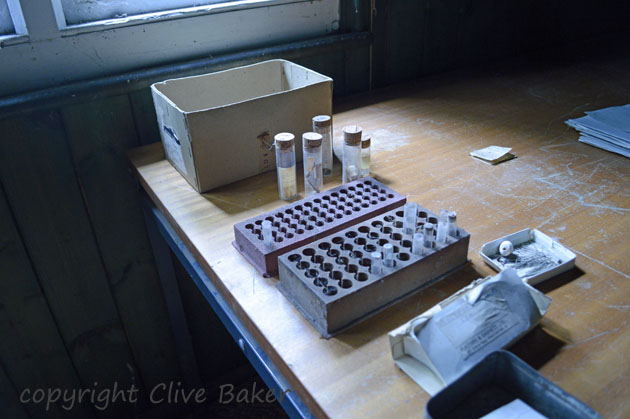
Specimen jars on table of study

Specimen jars in Study

old stove with table and chair in kitchen

the small basic kitchen of Rothchilds bungalow.

Woodwalton is still very much a nature reserve and is at the heart of the Great Fen Project, an exciting project which will see a large area of land put back to fen and will become one of the largest wetlands in Europe, which can only be as magical as this reserve is now.

Large water filled drain edged by trees

One of the drains that surrounds Woodwalton fen

A new Month, a new Day

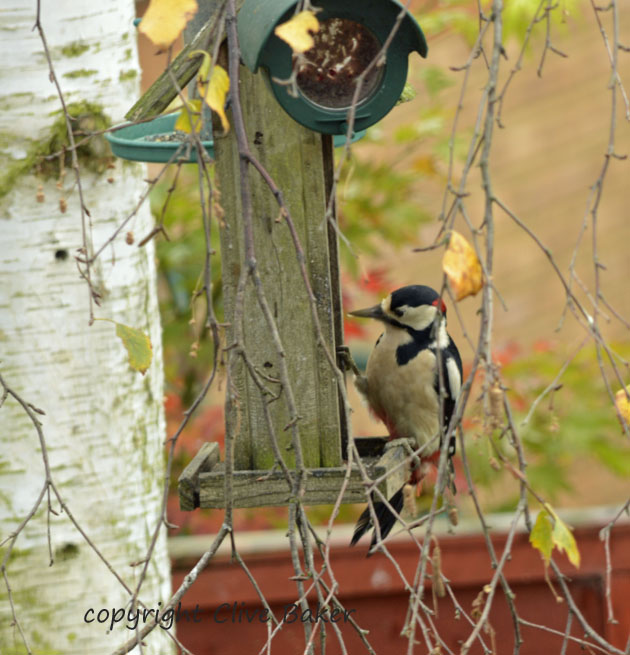
November can be a grey Month, but today was warm and as the progressed was bright and Sunny, the first visitor to the garden feeders was a male Great Spotted Woodpecker, I had not seen one in the garden since last winter.

Woodpecker on feeder

Male Great spotted woodpecker

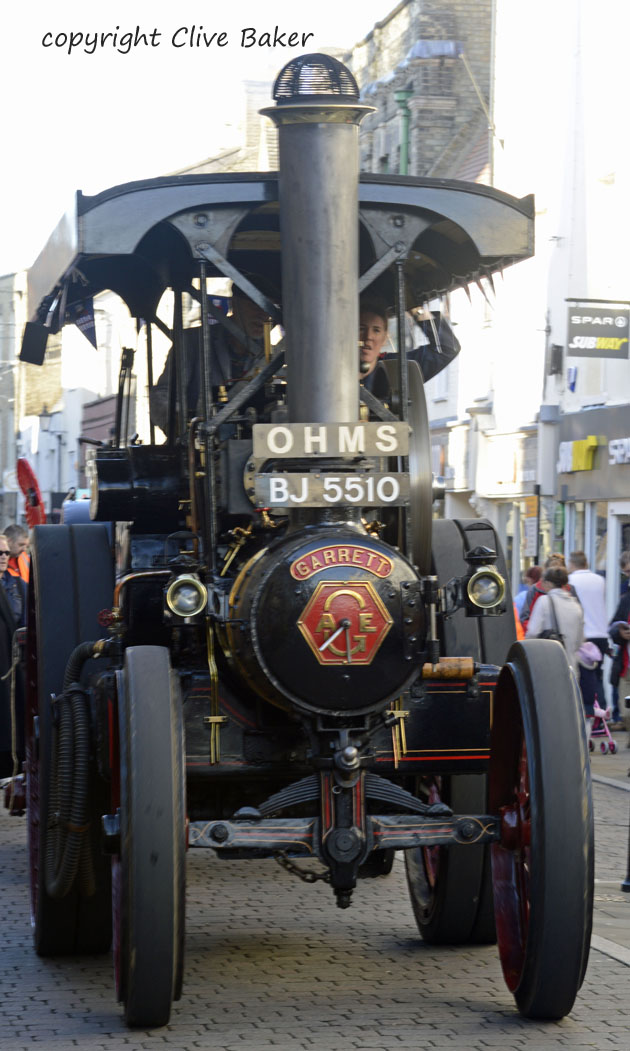
We walked into Ely so I decided to take my camera and was rewarded with plenty of sights first a steam engine traveling down the high street

Vintage Steam Engine

Steam Engine in Ely high street

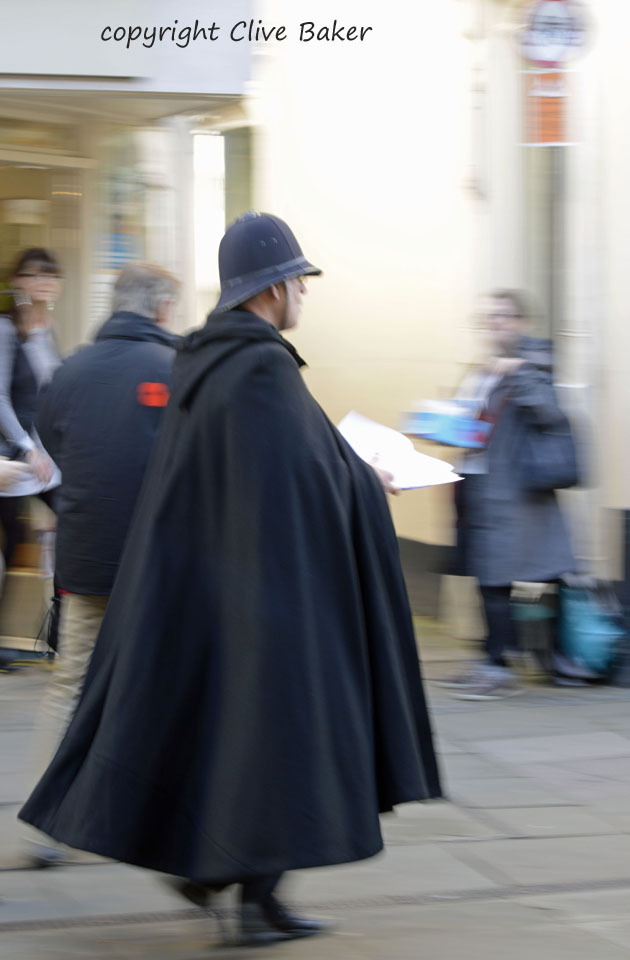
Which was escorted by an Edwardian Policeman

Man dressed as an edwardian policeman

Edwardian Policeman escorting the Steam Engine

The we came upon a wedding at the cathedral where the wedding party arrived by horse and carriage.

Carriage pulled by two white horses

Wedding party arriving by carriage

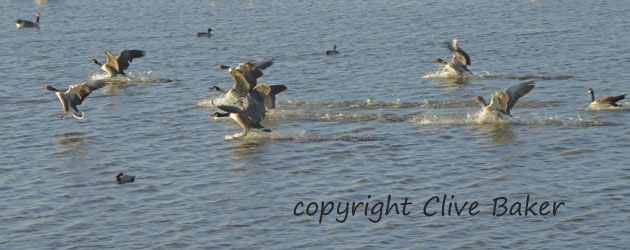
The afternoon was spent at WWT Welney where I gave the 3:30 pm Swan talk and feed, this week to 85 people, there are lots of birds arriving now, lots of Golden Plover estimated around 2,000 birds, Kingfisher, Geese, lots of wading birds and of course the Whooper swans, I managed to get some more images, one of which is of these Geese landing

Geese landing on water

Graylag and Canada geese coming in to land at WWT Welney

And it is always worth waiting for a fenland sunset

Sun setting over water

the Sun sets over Welney