East Anglian Skies

Dark clouds gathering

Fenland Sky

On of the things I like about living in East Anglia apart from the Wildlife and Landscape is the ‘Big’ skies, at this time of the year the we do seem to get some dramatic Sunsets.

Clouds turning Orange

The setting Sun in the East Anglian Landscape

All too quick the sky can change from moody to dramatic and some are there for a short while almost too much for words.

Two people against a setting sun

East Anglian sky that no words can describe


The Common Hare?

The Brown Hare (Also known as the Common Hare) is very much an animal of the East Anglian countryside preferring the agricultural landscape, living out in the open from the moment they are born.

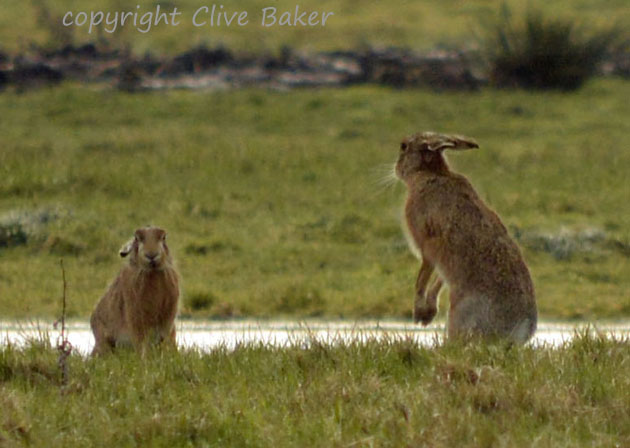
Everyone knows the saying ‘as mad as a March hare’ the month when the hares courting instincts are much in evidence, but the female or ‘doe’ is pretty much ready to mate from January which they do through to September, mostof the time the boxing you see in March is not always two males or ‘jacks’ fighting but most likely than not a doe fighting off the advances of a jack.

Two hares facing each other

Two hares face off

The young (leverets) are born covered completely in fur and fully mobile, unlike rabbits that are born, blind and naked in a burrow.

The Doe gives birth to the young in a group and then moves them one by one to a shallow depression or ‘form’ so they are split up, maybe to increase their chances of survival from predators such as foxes, stoats and now increasingly in East Anglia Buzzards.

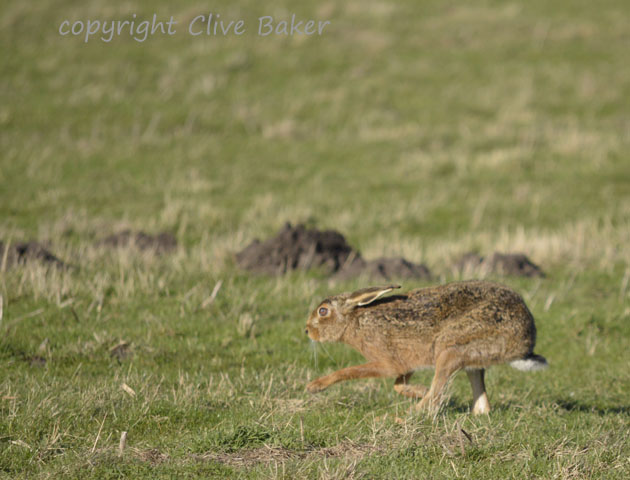
Hares will keep low on the ground keeping their long ears down low over their backs and will use their great speed to run away at the last moment.

Hare about to run away

A disturbed hare taking flight

Because of its antics the hare has  is steeped in folklore, with tales of witches turning themselves in to a hare to run away, and beliefs in parts of the country that a hare changing sex every month, even today we use expressions like ‘hare brained’ and ‘hopping mad’ so it is no surprise the name hare comes from the Anglo-Saxon word ‘hara’ which is to ‘jump’.

Dull Day with Nature’s colours

So today has been dull and overcast and the feeling of rain never far away, but nature has a way of brightening up even the dullest of days.

What leaves that are still hanging on the trees and differing shades of Yellow, Orange and Red.

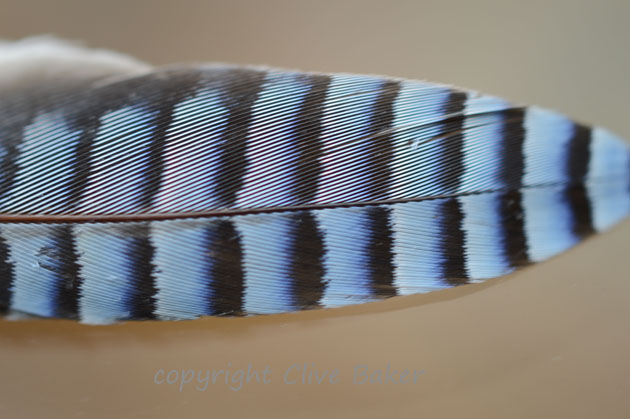
And on closer inspection of birds feathers the patterns and colours are amazing, from the Blue on a Jay’s Wing

Blue patterned feather of a Jay

the wing feather of a Jay

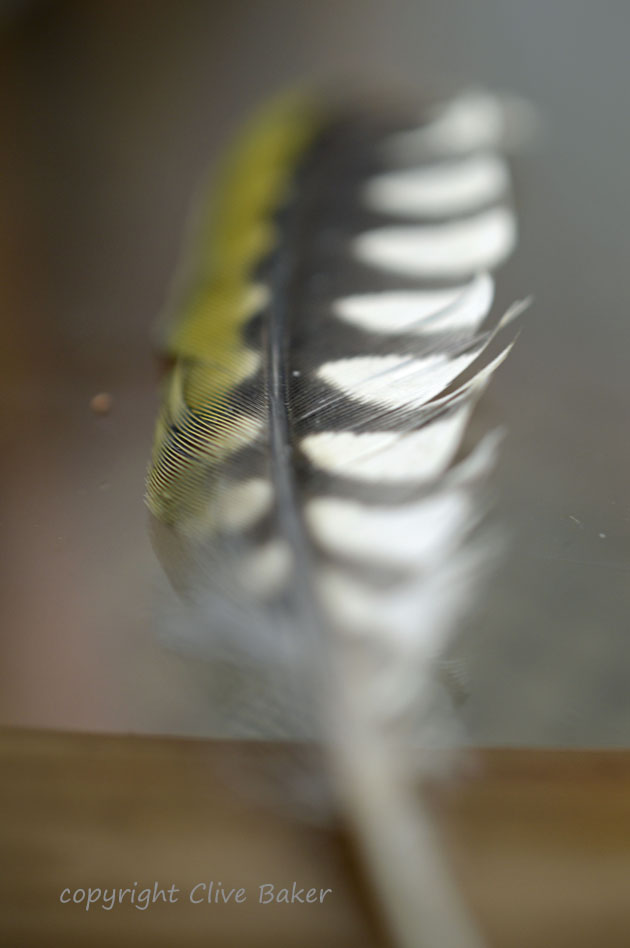
Or that from a Green Woodpecker

Green, Black and white feather

Green Woodpecker feather

Or as what happened to me today at WWT Welney when a child ran up to me to say she could see a Water Vole and wanted me to see it and sure enough she was right, so seeing that Water Vole was brightened up her day and may other people who saw it.

How to clear the Bird feeders

Day off today after I had been to see a certain Mr Robert Plant of Led Zeppelin fame last night, so up slight ly later this morning.

On looking out of the window into the garden I could see the feeders were full of House Sparrows, and one or two Dunnocks on the ground, we seem to be lucky here as I know there are parts of the country where there are few or no House Sparrows at all.

Sparrow in berries

Male House Sparrow

Even more scarce is the Tree Sparrow, easily identified by red-brown cap as opposed to the grey cap of the House Sparrow, and the white cheek with a square black patch.

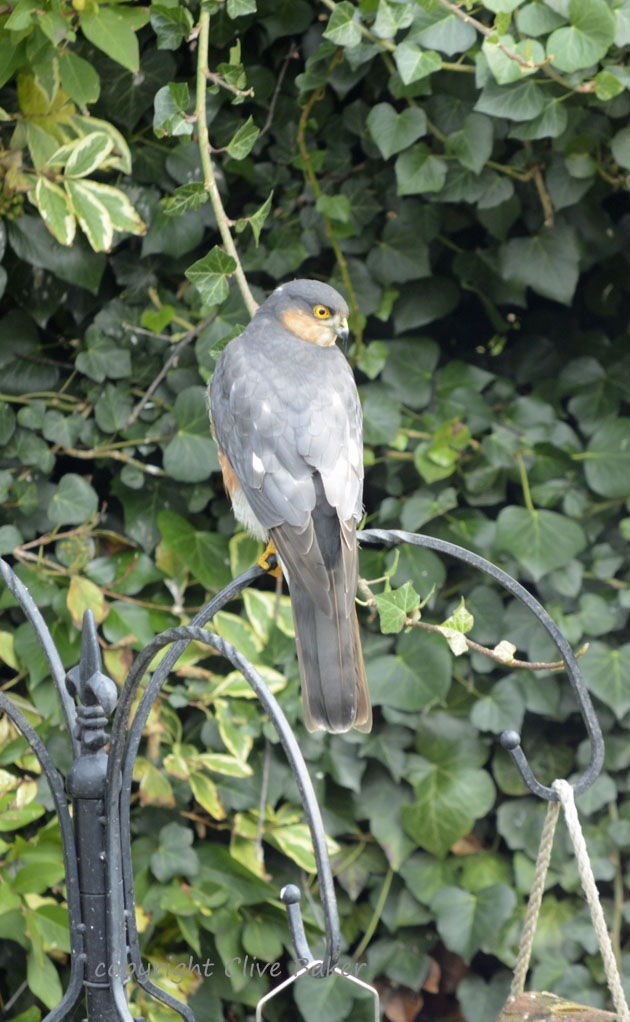
I was just thinking of topping up the feeders and noticed they were not any birds on them so good time to go out and do it, only to notice there was a female Sparrow Hawk on the fence, I grabbed my camera on to have it fly off, so put my camera down and went upstairs only to see she was back sitting on the feeders, ran back down to get my camera and again she flew off. I managed to get a few shots of her last year but now she seems to be wise to me and the camera, so I shall use an image from February and fingers crossed I may catch her with the camera again soon.

Sparrowhawk on feeders waiting for a meal.

Waiting for a meal

So here is an update, I managed to get a photo of the Sparrowhawk as it visited the garden for the third time and it turned out to be a Male,

Male Sparrowhawk, sitting on bird feeders

Male Sparrowhawk

Which brings me back to the image of the Sparrowhawk in the first picture, within our local group this caused a bit of a debate, is the Sparrowhawk which visited my garden in February a female? I was convinced it was a juvenile male but others were thinking it was a female, so is my garden being visited by both Male and female Sparrowhawks? or is the February Sparrowhawk a male that has now matured in to the handsome  bird that is now visiting my new bird feeders?

The days are getting shorter

Yes the days are getting shorter as it now seems to be dark when I leave for work and getting dark when I get home. so what better way than sharing some images from Summer.

Canal boats moored on the river.

Early June morning and canal boats on the Ouse

I love the East Anglian Landscape in at any time of the year, but late Spring and early Summer is my favourite time, with the fields golden with crops and the flowers out in bloom makes early morning walks along the river special.

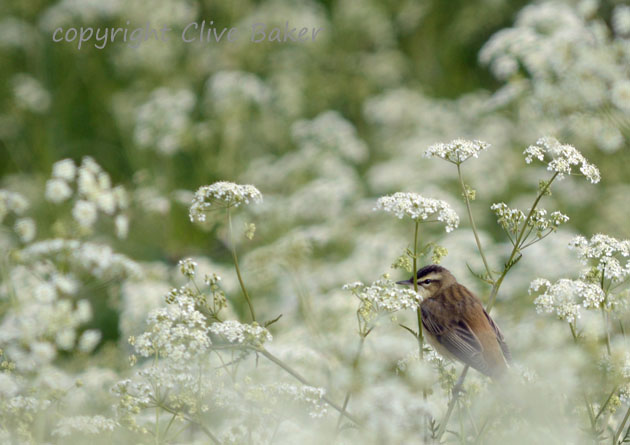
These early morning walks are made all the more special by the Summer Migrants that arrive and the still air is full of their song, like the Sedge warbler and the first Cuckoo calling.

Small warbler in undergrowth

Sedge Warbler finds a perch to sing from

Those days seem so far away now as we wake to the foggy damp mornings and everyone is rushing about in big coats, hats and gloves, but it will not be long until Spring and we wait for the first signs of longer days.

Until then I will look at and share my images that makes being an East Anglia a special place to be.


Wetlands of the East Anglian Landscape

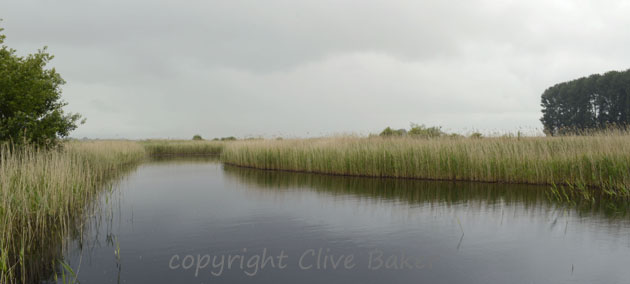
Looking over water to reed bed

Lakenheath Fen, RSPB reserve, from mere hide.

Most of the East Anglian countryside was once dominated by wetlands from the fens in the West to the Broads in the East, today the are still some real gems of this wetland habitat surviving, important for lots of Wildlife, with rare species that were on the brink of extinction this country like the Bittern to the one of the two largest of our spiders in the United Kingdom, the raft spider with a leg span of 70mm, they prefer to live around acidic bogland or wet acidic grassland.

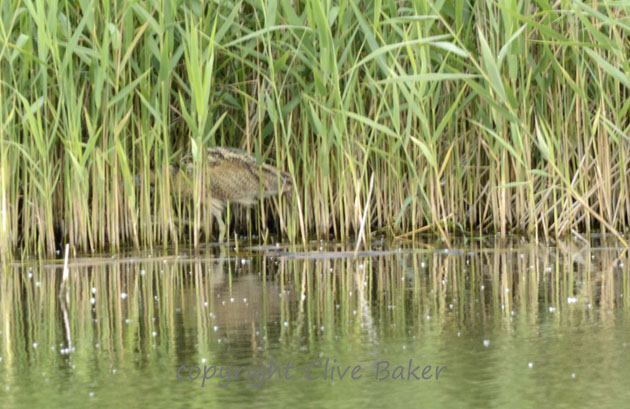
The Bittern can be hard to see as it walks through the reeds, but I was lucky  to see one land at the edge of reeds at RSPB Lakenheath in June, I had my camera to hand and just managed to get a photo before it disappeared into the reedbed, people are often surprised at how large the bittern is and it looks like a large moth as it flies over the reedbeds, more it is heard ‘booming’ like  a sound like someone blowing down a drain pipe.

Bittern disappearing into reeds

Bittern disappearing into reedbed at RSPB Lakenheath.

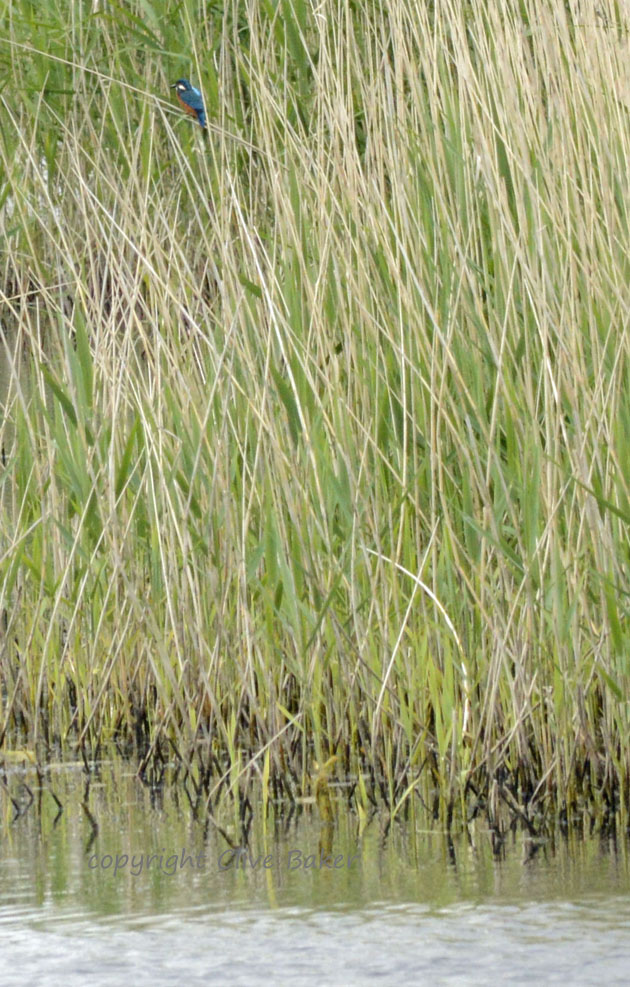
On that same day in June I saw another bird of the water, a Kingfisher, brightly coloured but somehow missed by lots of people as it sits perched on a reed or branch waiting to catch a passing fish,  as it flies low over the water and the light catches the electric blue plumage is the only time you may know it is there.

Kingfisher sitting on reed waiting for fish

Kingfisher on reeds, RSPB Lakenheath.

This is a habitat of the East Anglian Landscape that is worth protecting for all kinds of wildlife and ourselves.

Living with Wildlife

Once every few weeks I give all the bird feeders and bird table a good clean with water and weak bleach solution to make sure there is no possible spread of disease amongst the feeding birds, after the news today regarding the case of avian flu in Yorkshire I may do this more often.

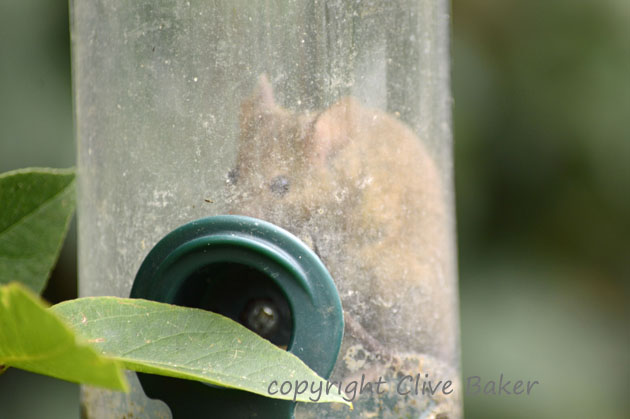
Yesterday after I had cleaned the feeders and allowed then to dry I filled them and hung them up again I heard a rustle in the ivy expecting to see one of the many house sparrows I was surprised to see a very damp looking woodmouse which had climbed  the ivy and was now eye level to me, I was not surprised to see the mouse as it and three others had been regular visitors to the bird feeders, I was surprised to see it as I had managed to catch three and release them in the fields and had not seen any for a while, now whilst I could quite happily live with woodmice in the garden, my wife said she could live with one maybe two and as we had seen four on the peanuts in one session of feeding themselves we decide to reduce our garden population.

Woodmouse eating peanuts on a birdfeeder

Woodmouse feeding on the peanuts

I was fascinated by how bold they were climbing up the ivy, then the honeysuckle to go from branch to feeder.

When I cut the honeysuckle back they started climbing the centre pole of the feeder to get to the feeders which hung from arms at the top, some would get about 4 feet from the ground fall off and climb back up,  I even found one had got into the feeder via the very small opening for the birds to get the seed.

Woodmouse in seed feeder

Woodmouse in seed feeder

A larger mammal we had seen in September at RSPB Titchwell in North Norfolk was a Chinese water deer, it’s size is between a Muntjac and Roe deer, and 10% of the World’s population is in the UK, mainly in Bedfordshire, Cambridgeshire and Norfolk, after escaping from Whipsnade Zoo in 1929 the quickly adapted to  living in the British countryside.
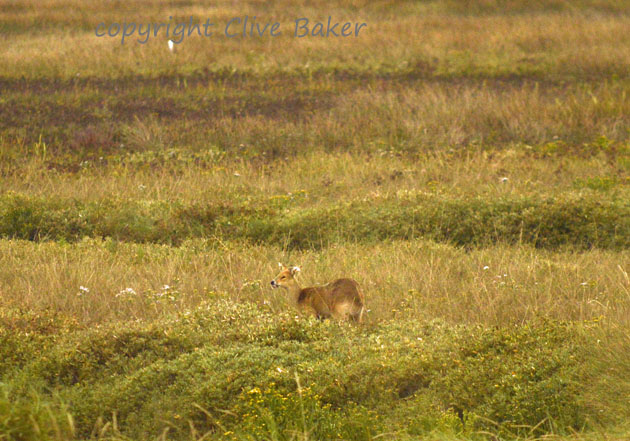
Small deer on marshes

Chinese Water deer on Salt Marsh, RSPB Titchwell, Norfolk

So really it was a surprise to see one as bold as brass walking across the salt marsh feeding on the plants, they seem to love the wet habitat of the Cambridgeshire Fens and Norfolk Broads and like the woodmice in our garden I am happy to live with them in our countryside, although others may not.
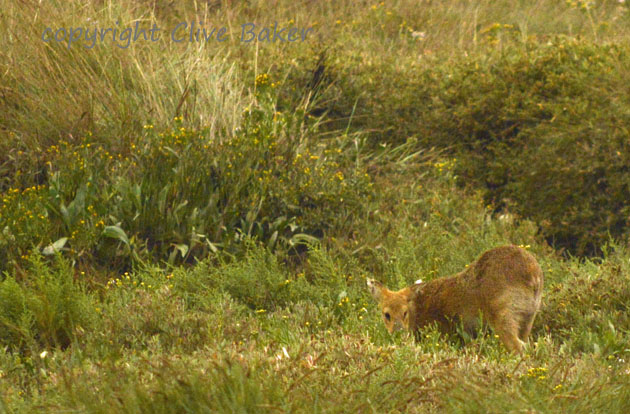
Small deer feeding on grass

Chinese Water deer feeding on grasses, RSPB Titchwell, Norfolk
Once rare now common and the confusing

As a child to see the Common Buzzard in the East Anglian countryside was despite its name quite rare, confined mainly to the west and South West of England, Wales and Scotland I did not see my first Buzzard until I was in my late teens and then it was only on trips to the Lake District.

Now happily they are becoming quite a common sight in the East Anglian Landscape, I am beginning to see one and sometimes a pair  in a field not far from me, in fact only this afternoon as drove past this field one flew over the road to a small group of trees at the edge of the field, despite the rain when I got home I grabbed my camera and walked back to the trees only to see the Buzzard flying away from me being hounded by a group of Rooks.

Common Buzzard in Flight

Common Buzzard

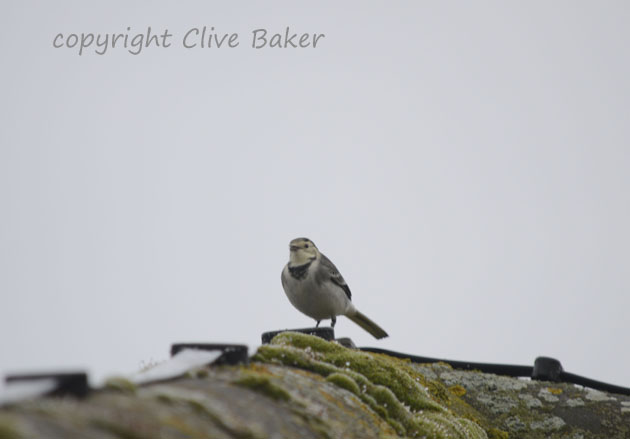
Whilst Buzzards are fairly easy to identify, we now get variations on what I once used to think was an easily identified bird, the Pied Wagtail, small, black and white, with a long tail constantly wagged up and down, it’s latin name is Motacilla yarrellii, but we now have the white wagtail Motacilla alba, so this morning when I saw two wagtails on the road I took some quick photos and came home to consult my bird books and everything seemed to point to that I had seen the white wagtail as it had the light grey back and slight yellow tinged throat or could it have been a Juvenile Pied Wagtail? sometimes it can get just too confusing.

White Wagtail on raod

White Wagtail maybe Juvenile

Pied Wagtail

Pied Wagtail

As an update I can confirm from this second photograph I took it is a Male 1st Winter White Wagtail

1st Winter Male White Wagtail

1st Winter Male White Wagtail

very helpful website figure 3 confirmed http://www.the-soc.org.uk/docs/white-wagtail-id.pdf

Swans, Owls and Otters

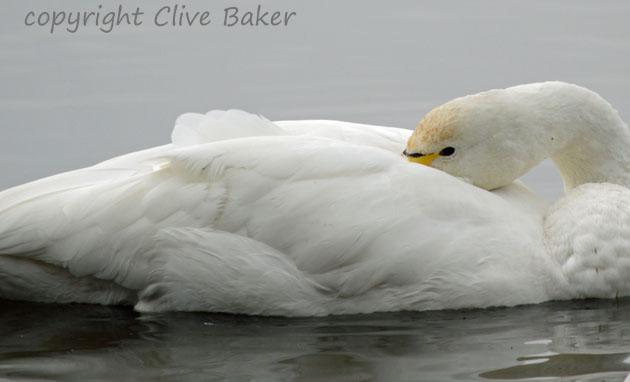
Whooper swan with head under wing

Whooper swan resting

Today was festival of swans at WWT Welney, so I make no excuses for showing images of the whooper swans.

It has been misty nearly all day which in a way made it better as most of the swans remained on the Wash at Welney, only during breaks in the mist when it looked like it was lifting did some of the swans decide to fly out to feed in the surrounding fields.

Being the first day of the festival of swans despite the mist there was still plenty about, it seemed the Barn Owls were out early hunting as there were good sightings of one feeding along the bank of the drains, there had also been a sighting of a Long-eared Owl sitting on a post on the road that leads to Welney WWT centre, add to that Marsh Harrier, Rough Legged Buzzard and Merlin anyone visiting  today would not have been disappointed.

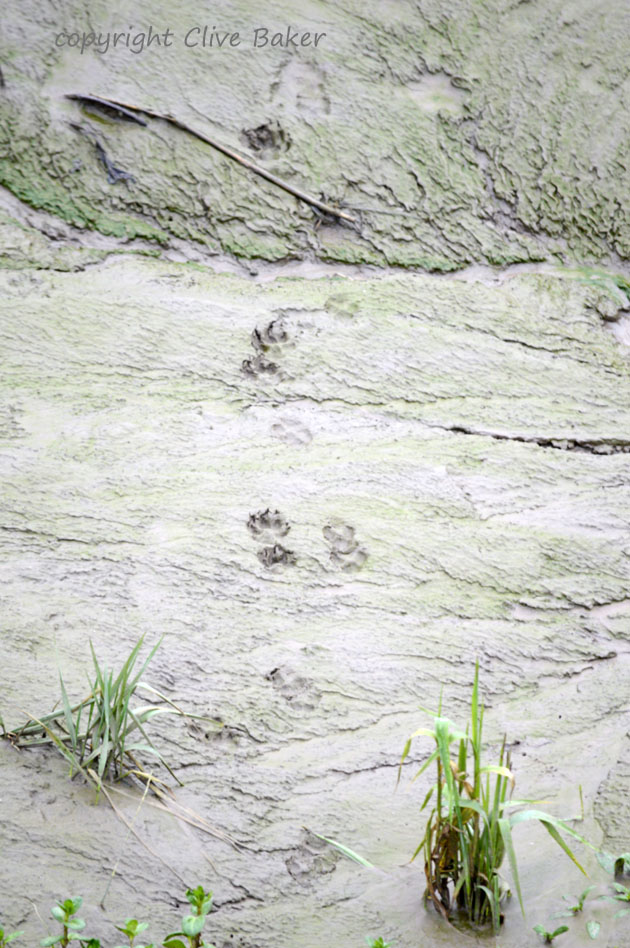
Not seen, but leaving plenty of evidence in the form of tracks there had been Otters in the Bedford New Cut easily overlooked by people crossing the footbridge they were there for all to see.

Otter footprints in the mud

Otter prints in the mud of the Bedford New Cut

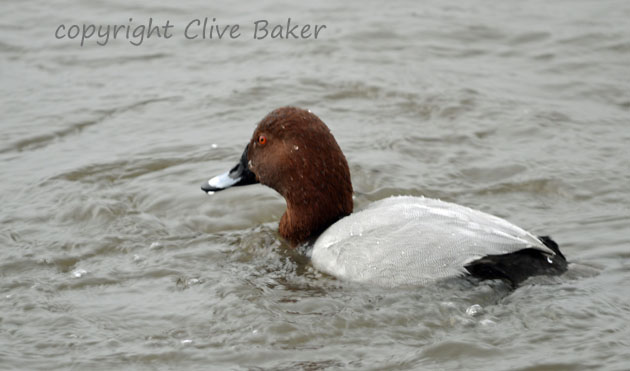
Along with the swans, were Pochard, the male far outnumbers the female at Welney with only 10% of the females coming here whilst most of the females will spend the Winter in the warmer climate of Spain.

Pochard Male diving duck

Male Pochard

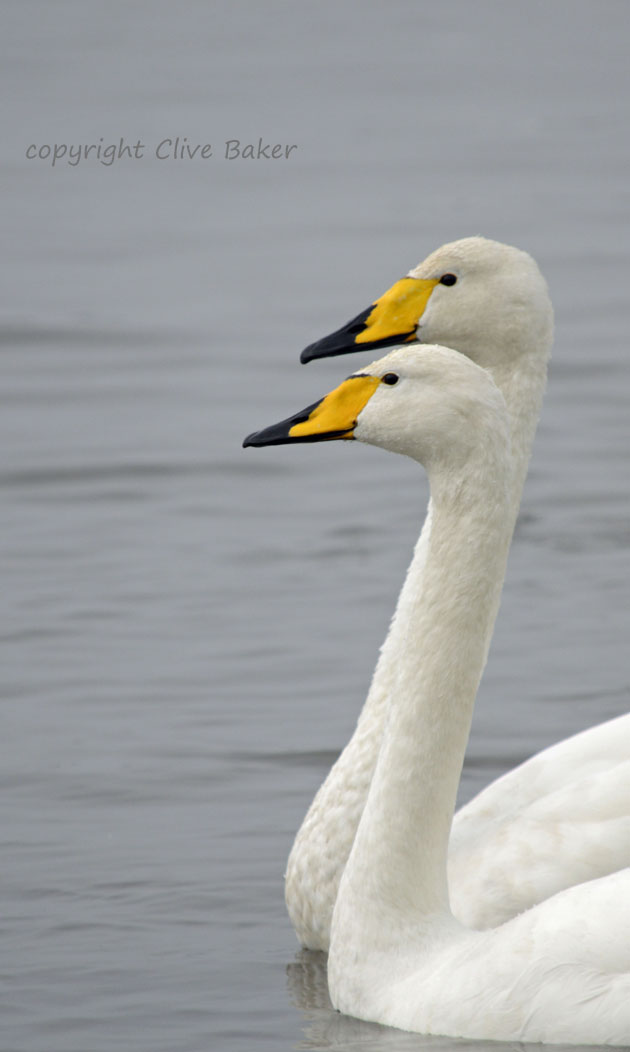
There were also Snipe, Golden Plover, Black-tailed godwit, Redshank  and lapwing in good numbers, so all in all despite the weather it was a good day, I will finish off this post with more images of the Whooper Swans, after all it is Festival of Swans weekend.

Whooper swan

Whooper swan

Whooper swans

Whooper swans