The Dark Landscape

Leaving for work at this time of year is always in complete darkness for me which does have its for and against, on the plus side I do get to hear the odd Tawny owl calling, usually the female calls a ‘Toowit’ sound followed by a male calling a ‘Toowhoo’, hence the old saying ‘to woo someone’, so I was once told. I  also nearly walked into Muntjac deer as it wandered along the deserted footpath in the town, also hedgehogs not yet in hibernation trotting along the side of the footpath looking for slugs in the wet grass.

Another plus on clear cold mornings it is the stars and if you are lucky the odd satellite moving from horizon to horizon, I did get a bonus on Thursday morning when the international space station went from West to East in front of me at 5:50am I could see it for a nearly 4 minutes, NASA provide a handy website ‘Spot the Station’ so you know if and when you can see it from where you live.

On the down side I can not see the usual wildlife from the train as I travel to Cambridge as it is too dark, usually I can count, fox, deer, Marsh Harrier, Buzzard and in Summer the odd Hobby.
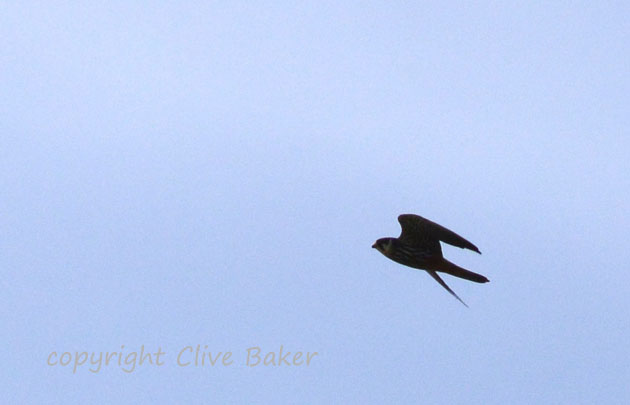
Hobby small falcon

Hobby

But for now I have to make do with reading a book until the mornings get lighter.

This Weekend is the Festival of Swans at WWT Welney, So I will be helping there tomorrow,  9 common cranes were sighted there yesterday, so hopefully they will still be about, in the Winter there have been up to 13 cranes flying together, known as the ‘Fenland Flock’ this would be sight to see, I have been lucky enough to see 6 fly in together and managed to get a photograph even with them being quite a way off I think you can see they are cranes.
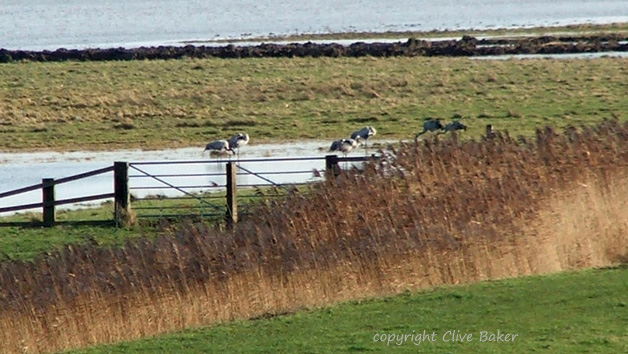
Flock of six common cranes feeding in field

Common Cranes


The Humble Bee

About three years ago I decided to start looking at bumblebees, thinking it would not be hard, but I then found in the UK alone we have 24 species, (We used to have 26 but two are now extinct), 8 are quite common, one, the Great yellow Bumblebee can only be found on the north coast of Scotland.

I joined the Bumblebee Conservation Trust, which was established because of serious concerns that Bee populations had crashed, given the fact that bumblebees pollinate our crops and wildflowers this should be a concern to all of us.

I quickly learnt via the BBCT, how to identify Bumblebees,

White-tailed Bumblebee

White-tailed Bumblebee

also about the life cycle of the Bumblebee, in a nutshell from as early as February, the queen will emerge from hibernation on a warm day from an old hole in the ground where she will search for a nest site,  she will then search for pollen and take to nest she will lay her first eggs and This first brood of offspring are all ‘worker’ females, then later the her brood of offspring be females and males and some of these females will be queens which will survive the winter unlike the worker females and males which will die in the first year as well as the old Queen, it is only Queens that live more than a year.

More information about identification and life-cycle can be found on the Bumblebee Conservation Trust website.

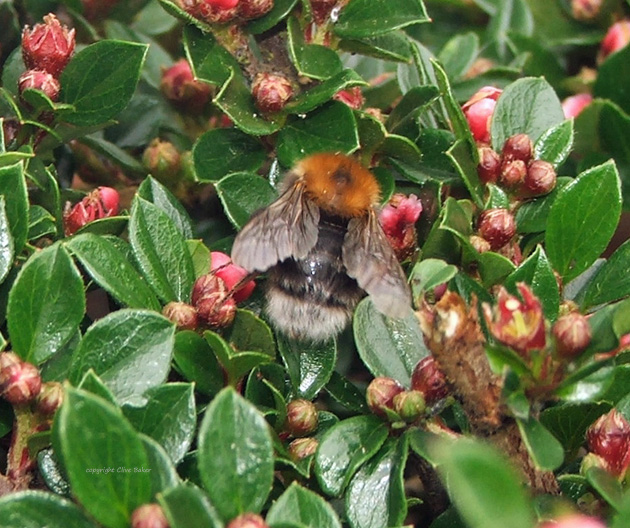
But one easy Bumblebee to identify ie a newcomer to the UK from Europe, the Tree Bumblebee it is the only one that is Ginger, black with a white bottom.

Tree Bumblebee

Tree Bumblebee

So you may now have a Queeen Bumblebee hibernating in an old mousehole in your garden now, waiting for that first warm day of Spring…….like us all.

Climate Change?

Every Month in the Autumn and Winter months our Local Group of the Wildlife trust hold talks on a wildlife related themes, one of the ones that stands out was by Brian Eversham, Chief Executive of BCN Wildlife Trust on Climate Change which he gave us the following predictions and facts

• there has been a doubling in the frequency of climate-driven environmental catastrophes since 1980;
• up to 50,000 human deaths in Europe were caused by the ‘hot’ summer of 2003 (which was only 2°C warmer than the current average, and may be the norm by 2050);
• a 1°C temperature rise would threaten 10% of species with extinction;
• sea level in the Thames estuary is now rising by 3mm a year, and this will increase to 8.5 mm a year by 2055;
• global carbon emissions mean that the chances of limiting warming to 2°C is now very unlikely.

On the plus side he said 80% of British wildlife species are southern and eastern in their current distribution, so can be expected to increase and spread in response to climate warming, IF the landscape is fit for them to move through. These are the potential ‘winners’.

I did not need to look far this week as already I have seen flowers in bloom you would normally expect to see in May like cranesbill that I have seen this last few days flowering in Ely and Cambridge.

Small pink flower, cranesbill

Cranesbill

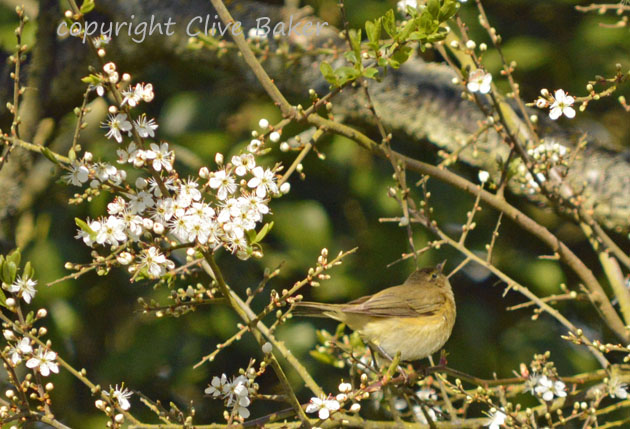
Also we have seen ‘Summer’ birds like Blackcaps that breed in Britain and Ireland and migrate south in Autumn to winter in the Mediterranean and Africa, but the BTO has recorded over recent years Breeding Blackcaps from Europe heading West to spend Winter in Britain and Ireland, also last January I saw Chiffchaffs in Ely they normally arrive in Early Spring but it seems they are spending Winter in Britain and Ireland as well, could this be a sign our Winter’s are milder and they are able to find food. Best we keep our bird feeders well stocked and maybe we will see these new Winter birds in our gardens during cold snaps.

Small bird, Chiffchaff feeding in tree

Chiffchaff, on May blossom

Winter visitors to East Anglia

After a hectic weekend, Watch group Saturday,Swan feed and talk at WWT Welney Sunday, I usually sit back and reflect on a Monday evening to what I have gained in knowledge and from meeting people.

Saturdays Watch theme was Winter visitors, I gained satisfaction the children (and parents) had learnt why birds visit this country in Winter and saw how much food there is for them in our hedgerows, why we will need to put out food for them in Winter as the natural food starts to disappear in the countryside and as the season gets colder.

At WWT Welney the theme is the same why the Whooper and Bewick Swans fly here in Winter from Iceland and Siberia, in my talk I try to cram in the History of the Fens and of course the wildlife, but best of all I get to talk to people who come there for all sorts of reasons, some just to see the Swans, some serious birders to get that one rare bird of their tick list for the year.

On Sunday I spoke to two ladies who had travelled up from the Isle of Wight to spend a week in Norfolk, two ‘Birders’ who always come to this ‘oasis’ as they put it at this time of year, and two photographers who described the area as magic, I really could not have put it better.

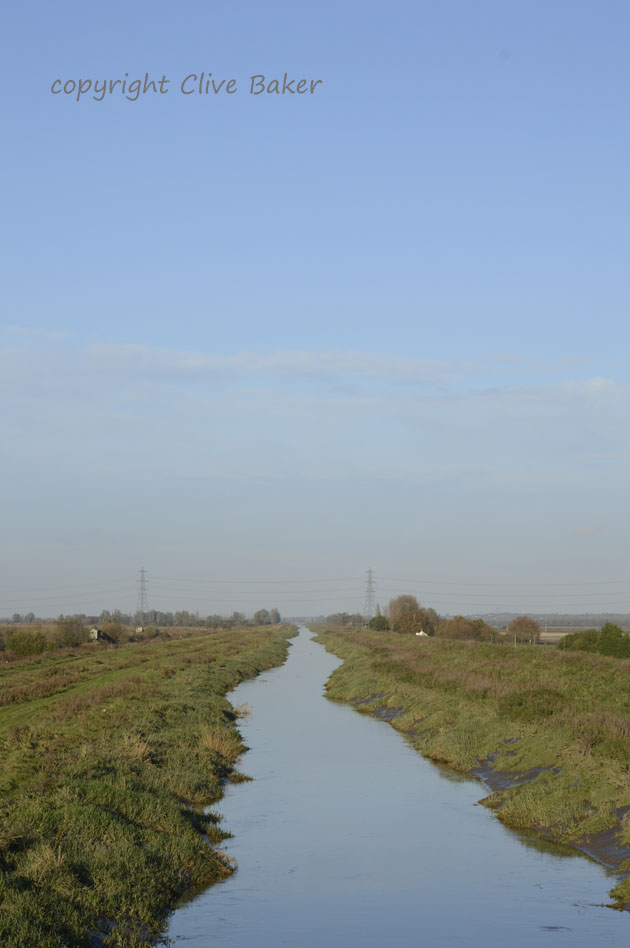
Looking from bridge over river

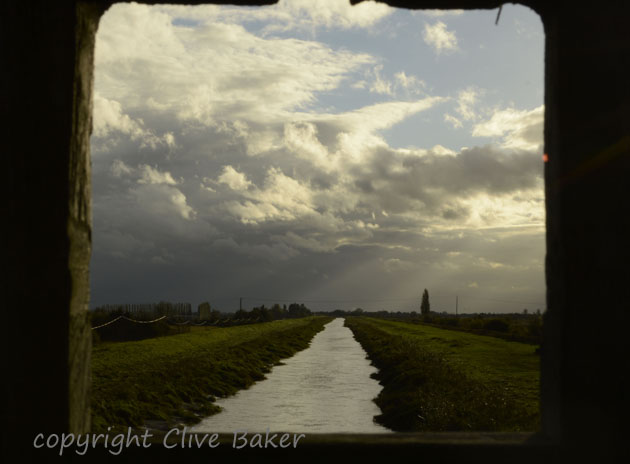
Looking North over the Bedford New Cut, Welney

man walking over footbridge

Walking over the footbridge to the main observatory, WWT Welney

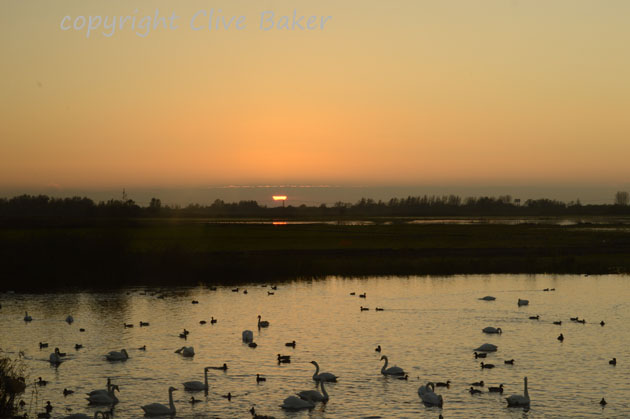
Setting Sun over the Ouse Washes

The Sun sets over the Ouse Washes, WWT Welney

Fenland Landscape

Most of the East Anglian Landscape has been shaped by man, very few untouched areas remain, most have been changed due to farming needs, some like the Norfolk Broads were formed due to peat digging.

The Fens have been changed due to drainage for reclaiming the land for agriculture, once an extensive area of wet fen that stretched from Cambridge to the South and Lincoln in the North now only a few areas of this wetland remains.

Drainage started in the mid 1600’s and actually finished in the 1800’s, there are many books that tell’s you the history of this area but the main drainage was carried out by using the existing Old Bedford river taking out the curves and bends to make one long straight ‘drain’ or cut, then parallel to this a new cut was dug the Bedford New river, dug by hand using prisoners of war from France and Scotland a wash was created 20 miles long and 1/2 mile wide separated by the two cuts.

Bedford new river from bridge

Bedford new cut from footbridge at WWT Welney

They say most of the prisoners were buried where they died digging the drains, but what they have preserved is the way the people who lived around the fens used the land before it was drained and that is for grazing cattle in the Summer and when the cattle was moved in Winter to higher ground like Ely they used the fen for wildfowling and fishing.

Today the landscape is flat and open making it a land of Big skies, in fact it could be called the bread basket of Britain for the amount of crops now grown in the fertile peat soil, but it does have some of the most amazing dawns and sunsets.

Dawn over Fenland

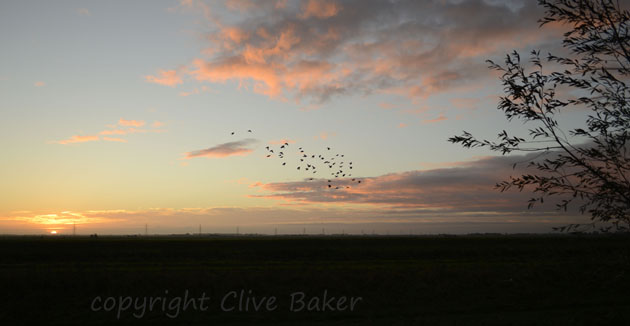
Dawn breaks over the Fenland countryside as Lapwings take to the air

Sprouting crops in field

Winter crops sprout in the Autumn dawn in the rich fenland soil

Winter Visitors

Today dawned bright and Sunny and it was looking good for our Watch meeting this afternoon, Being one of the leaders for the Ely Wildlife Watch Group I am always keeping an eye on the weather, as nearly all of our meetings are outside.

The Ely Wildlife Watch group is aimed at children and young families, in short the aim to get children interested in nature and wildlife, so each month we have a theme that we base each meeting around. Todays was Winter visitors.

So I was pleased to see as I walked the dog a small flock of fieldfares fly over and having my camera with me I managed to get a quick photo of them as they headed West.

Small flock of fieldfares in flight

First fieldfares I have seen this Autumn.

With the fields already showing signs of winter crops I am sure there will be more in the fields, but they are usually hard to see against the bare earth, fieldfares usually like orchards which were quite widespread in Cambridgeshire but have disappeared of the years since the second world war, there was estimated 33,ooo in East Anglia and now estimated to about 3,ooo orchards.

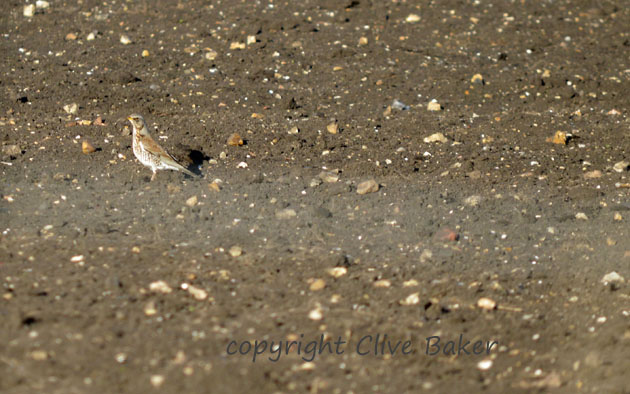
Fieldfare in ploughed field

Fieldfare.

But there seems to be plenty of fruit in wild in the form of sloes, haws and crab apples so maybe we will get more Winter visitors as it starts to get colder, I know we have already had redwings as I have heard them calling at night as they fly in a night but fingers crossed we will get Waxwings.

I will Just finish with wishing Jo one of our Ely Wildlife Watch leaders a very happy birthday, She is 40 you know.

Lest we forget

My Website is named ‘East Anglia, the Wildlife Landscape and People’ and I am conscious of the fact that up to now I have not mentioned people much, so as we approach remembrance Sunday I am putting that right by mentioning two East Anglian people.

The First is Canon Reginald Augustus Bignold (1860-1944) who was Rector of my home village of Carlton Colville in Suffolk, from 1898 to 1944.

I remember seeing his grave stone by the entrance of the village church when I used to  use the church yard as a short cut as a child on my many wanderings around the village, but did not know much about him until my Mother gave me an old book she had, titled ‘The Carlton Colville Chronicles’ edited by J.R. Goffin.

Cover of Book

The Carlton Colville Chronicles, copyright Parochial Church Council of St.Peter’s Carlton Colville

This book records the diary of Canon Bignold that he had written in the fly leaves of the Parish Records and give an insight into the village and the effect the First World War had on it, the villagers and Canon Bignold himself, imagine he could hear the Guns from France as the windows rattled in the rectory by the sound waves travelled over the North Sea to Suffolk, and the time he was followed by a Zeppelin as he walked from Oulton Broad to Carlton Colville.

I will end this Blog with the first two entries of his records for November 1914, the entries in the Parish Records increases in number and volume as the War progressed and I may from time to time place quotes of some of his records on the day they were recorded 100 years before.

The next person of East Anglia is my Grandfather Harold Baker, I never knew my Grandfather but what I knew of him was that he was born in 1899 (the year after Canon Bignold became rector of Carlton Colville), he was a fisherman and died as a result of an accident at Sea in 1946. But I know 100 years ago in 1914 he was in the Navy in Egypt as I have a photograph of him, looking very young at 15 or 16 years old.

World War 1 Sailor

Harold Baker, Egypt 1914


Finally a photo of some unknown ‘Lads’, we found this photograph in a bag that belonged to a Great Aunt of my wife, we do not know who they are, how old or where they were at the time, they all look very young and we think at least one of them must have been close to this great Aunt, we do not know if he or any of them in photograph came home.

Young british soldiers

unknown Soldiers of the First World War

November 1st 1914 One-hundred and fifty-five men belonging to this Parish have now joined the Colours.

November 4th 1914 War declared on Turkey

extracts from ‘The Carlton Colville Chronicles’, copyright Parochial Church Council of St.Peter’s Carlton Colville.

Topping up the bird table

We had are real first frost of the Autumn today in East Anglia we may have had the odd air frost but this was a ground frost, so I expect all those plants that had late flowers out have now been hit.

On getting home from work I noticed the birds had nearly cleared all the food off the bird table I had put out the night before, all the meal worms had gone in the tray on the bird feeder, I am guessing the starlings had a feast here and maybe the odd robin or two, I know the hedgehogs we have in the garden had been sniffing the air under the tray as I had managed to get film of one doing this on my camera trap, so maybe one managed to climb up and help itself to some of these as well.

We mad not have a frost tonight but I think most of East Anglia will have rain by the morning, but I have still put food out for the birds and the hedgehogs which need to have the correct body weight before the go into hibernation for the winter.

Wren on a rock

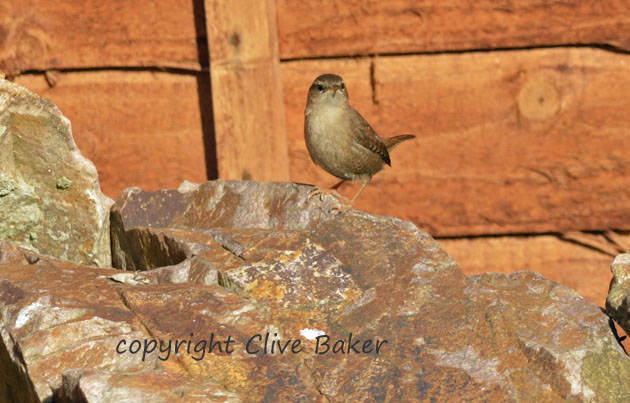
Wren on the rock behind the garden pond

Slaughter on the tracks

Standing on the platform at Cambridge rail station is not always a place you would expect to encounter East Anglian wildlife, although once I did see a Woodcock fly past platform 4, this evening I noticed on the tracks the remains of a pigeon, mostly overlooked as we all stood there waiting for our train, I started to notice more remains of birds, at first I wondered how it was so many birds were struck by trains here, then I noticed near the pigeon the remains of a brown bird, I went to have a closer look at it and was sad to see it was a Tawny owl, in Cambridge Station? so I walked a few feet up the along the platform looking and counting the birds (getting strange looks from other passengers). in a short distance I had seen a Tawny owl, pheasant, red-legged partridge, stock dove and a number of wood pigeons.

Then it dawned on me these were birds that had been hit out in the countryside and as the trains stopped into the Station they fall off, a sad sight and it made me wonder how many more birds, rare and common, are killed just by train strikes alone.

On returning home I could see it was going to be a cold night and made sure that there was plenty of food on the bird table and in the feeders for the birds in the morning, after all they need all the help we can give them.

Chaffinch on branch

Visiting Chaffinch to our garden feeders

East Anglia rich in wildlife

One of the great things about living in East Anglia is the amount of great nature reserves we have here from the Norfolk Broads and Suffolk heaths in the east the long beaches and salt marshes to the North and the fenland to the West, and in between jewels of small reserves with rare species of insects and plants unique to their habitats.

Charles Rothchild who was a banker and a keen entomologist, as a result of industrialisation had seen the decline of wildlife and their habitat due to the draining of the Fens, which by the late 1800’s had disappeared by nearly 99%.

He purchased Wicken fen in 1899 which became our first National Nature reserve and is  the oldest in Great Britain, this was followed not long after by his purchase of Woodwalton fen.

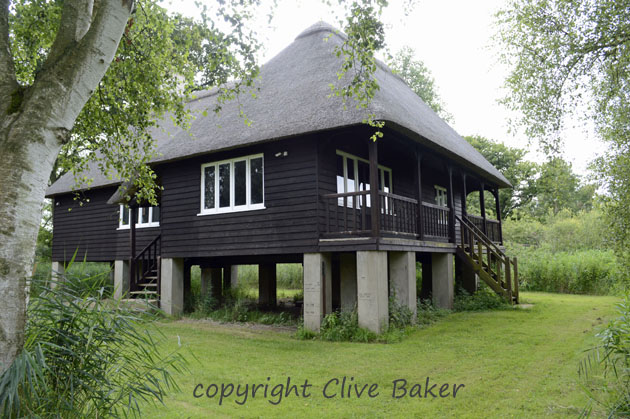
I was lucky enough to visit Woodwalton Fen in July and saw for myself the rich insect life there and also Rothchilds bungalow which sits in the centre.

Bungalow in the middle of Woodwalton Fen

Charles Rothchilds bungalow in Woodwalton fen

Desk and chair in Rothchilds bungalow

The Study in Rothchilds bungalow, Woodwalton fen

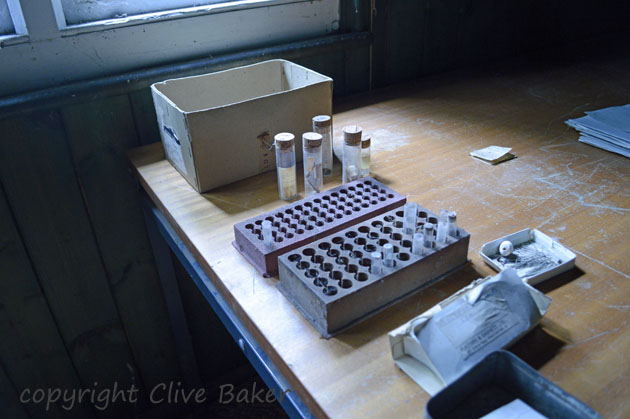
Specimen jars on table of study

Specimen jars in Study

old stove with table and chair in kitchen

the small basic kitchen of Rothchilds bungalow.

Woodwalton is still very much a nature reserve and is at the heart of the Great Fen Project, an exciting project which will see a large area of land put back to fen and will become one of the largest wetlands in Europe, which can only be as magical as this reserve is now.

Large water filled drain edged by trees

One of the drains that surrounds Woodwalton fen