The Common Hare?

The Brown Hare (Also known as the Common Hare) is very much an animal of the East Anglian countryside preferring the agricultural landscape, living out in the open from the moment they are born.

Everyone knows the saying ‘as mad as a March hare’ the month when the hares courting instincts are much in evidence, but the female or ‘doe’ is pretty much ready to mate from January which they do through to September, mostof the time the boxing you see in March is not always two males or ‘jacks’ fighting but most likely than not a doe fighting off the advances of a jack.
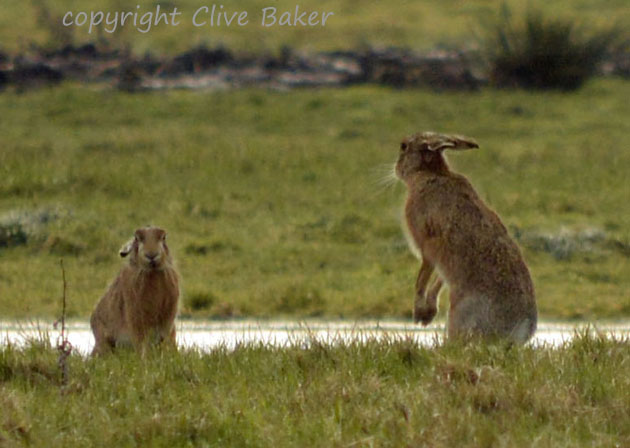
Two hares facing each other

Two hares face off

The young (leverets) are born covered completely in fur and fully mobile, unlike rabbits that are born, blind and naked in a burrow.

The Doe gives birth to the young in a group and then moves them one by one to a shallow depression or ‘form’ so they are split up, maybe to increase their chances of survival from predators such as foxes, stoats and now increasingly in East Anglia Buzzards.

Hares will keep low on the ground keeping their long ears down low over their backs and will use their great speed to run away at the last moment.
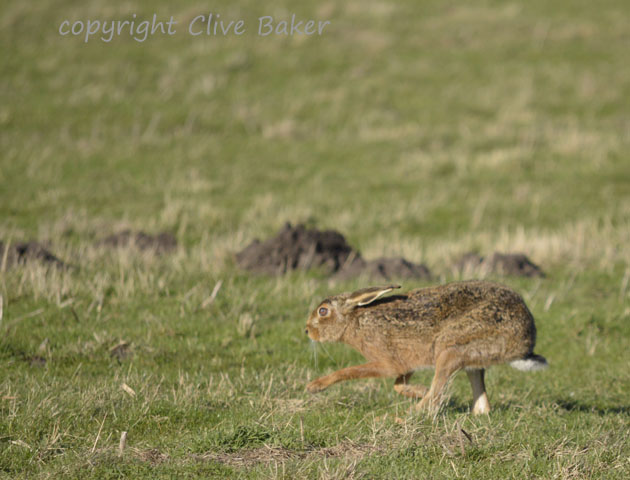
Hare about to run away

A disturbed hare taking flight

Because of its antics the hare has  is steeped in folklore, with tales of witches turning themselves in to a hare to run away, and beliefs in parts of the country that a hare changing sex every month, even today we use expressions like ‘hare brained’ and ‘hopping mad’ so it is no surprise the name hare comes from the Anglo-Saxon word ‘hara’ which is to ‘jump’.
East Anglia rich in wildlife

One of the great things about living in East Anglia is the amount of great nature reserves we have here from the Norfolk Broads and Suffolk heaths in the east the long beaches and salt marshes to the North and the fenland to the West, and in between jewels of small reserves with rare species of insects and plants unique to their habitats.

Charles Rothchild who was a banker and a keen entomologist, as a result of industrialisation had seen the decline of wildlife and their habitat due to the draining of the Fens, which by the late 1800’s had disappeared by nearly 99%.

He purchased Wicken fen in 1899 which became our first National Nature reserve and is  the oldest in Great Britain, this was followed not long after by his purchase of Woodwalton fen.

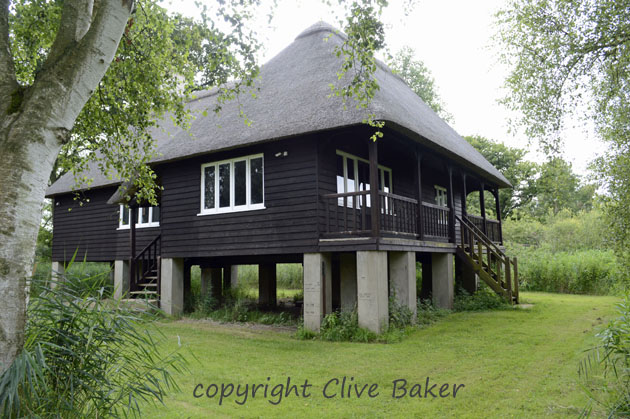
I was lucky enough to visit Woodwalton Fen in July and saw for myself the rich insect life there and also Rothchilds bungalow which sits in the centre.

Bungalow in the middle of Woodwalton Fen

Charles Rothchilds bungalow in Woodwalton fen

Desk and chair in Rothchilds bungalow

The Study in Rothchilds bungalow, Woodwalton fen

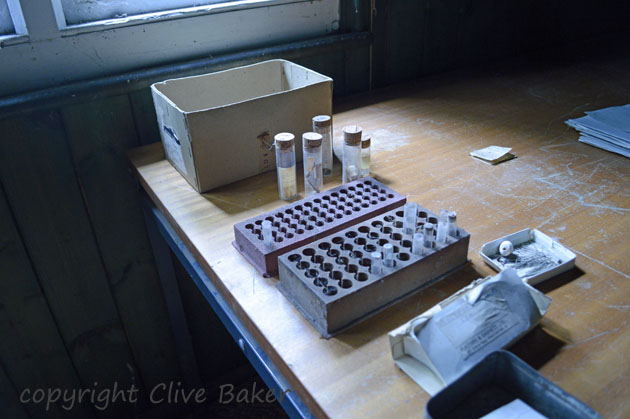
Specimen jars on table of study

Specimen jars in Study

old stove with table and chair in kitchen

the small basic kitchen of Rothchilds bungalow.

Woodwalton is still very much a nature reserve and is at the heart of the Great Fen Project, an exciting project which will see a large area of land put back to fen and will become one of the largest wetlands in Europe, which can only be as magical as this reserve is now.

Large water filled drain edged by trees

One of the drains that surrounds Woodwalton fen

Warmest Halloween day

So it did after all turn out to be the warmest recorded Halloween day here in the UK, I decided to take my camera with me to work in Cambridge and took images before I started work, during my Lunch break and when I got home.

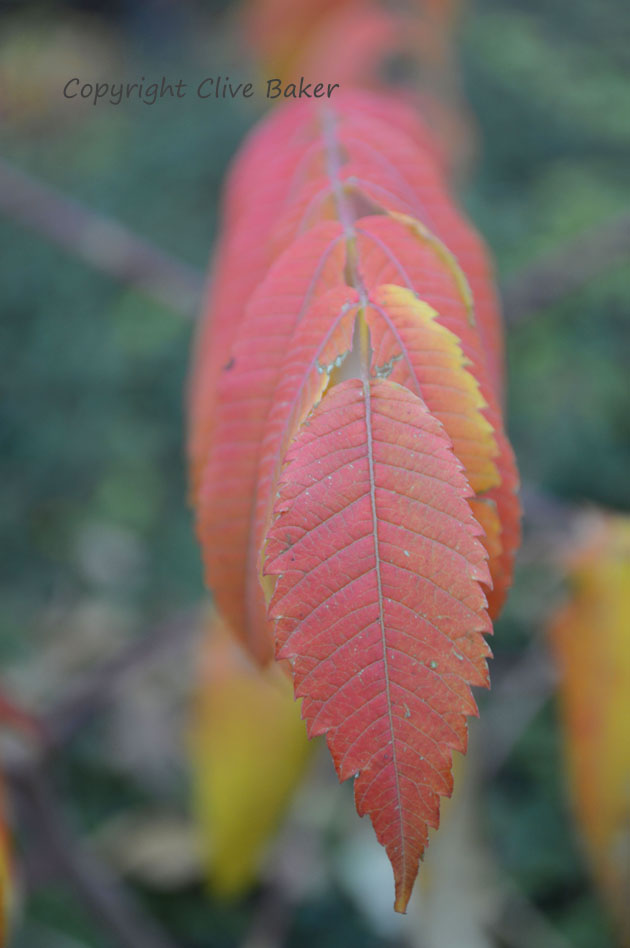
Where the leaves on the trees had turned there were some stunning colours and it was hard to know where to start but sometimes just the simple shot works to show the variation in the colours.

Red and Orange leaves

Autumn Leaves

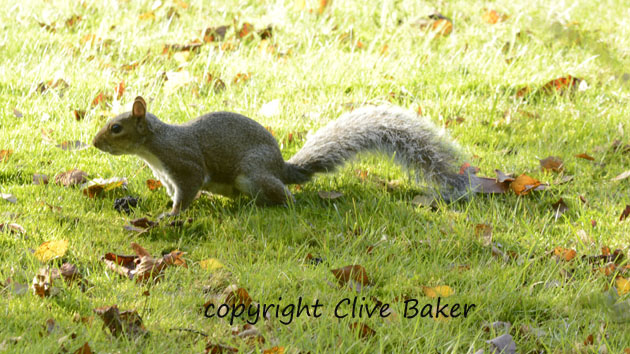
Walking during my lunch break I saw there were many Squirrels running around storing the nuts they had gathered into thier secret hiding places always looking to see who or what may be watching where the stored food for the winter months is located. Usually the squirrel will be watching the Jays stashing food only to steal it for themselves.

Grey Squirrel

Grey Squirrel on the lookout for other watching squirrels

On the train on the way home I noticed lots of Lapwings gathering on the fields amongst them here and there were Golden Plover, the next field revealed about 200 Golden Plover by themselves, the train was going too fast to take a picture and I hoped the train going past may have put the plover up so I could see the changing white to golden brown as they turned into the sunlight, but it was not to be.

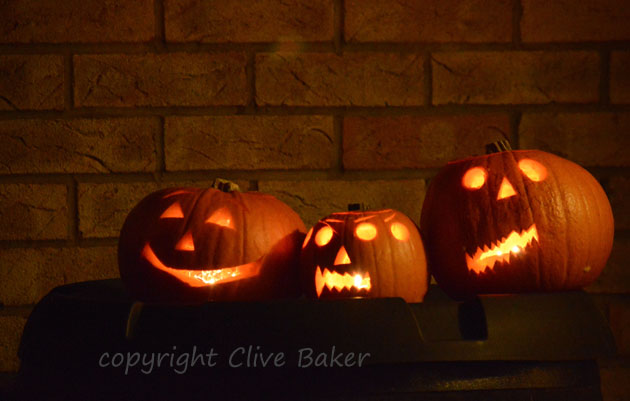
When I arrived home the trick or treaters were walking around the neighbourhood, this has got really popular here in the UK over the last few years, when I was a lad we did try to make lanterns using swedes we found in the farmers fields, but I just had to take a picture of Pumpkins my neighbours children had made next door.


Happy Halloween to you all.

Halloween Lanterns

Halloween Lanterns my neighbours children had made

Counting on the birds

I have always kept a list of the species of birds I see every year, unfortunately I happened to mention this to members of our Local Wildlife Group committee and now found we have all kept a yearly list and it has got pretty competitive, only rules are the bird must be seen in the UK.

This year I have decided to keep a monthly list as well as a year list, looking at the months from January so far my monthly list has gone 78, 60, 72, 73, 74, 66, 51, 58, 70 and so far this Month 58. Obviously dropped off a bit in July and August but starting to build up again with the winter birds flying in.

Hopefully November and December may become colder and I get some good garden birds like this Sparrowhawk below that sat on our birdfeeders in January and February this year.

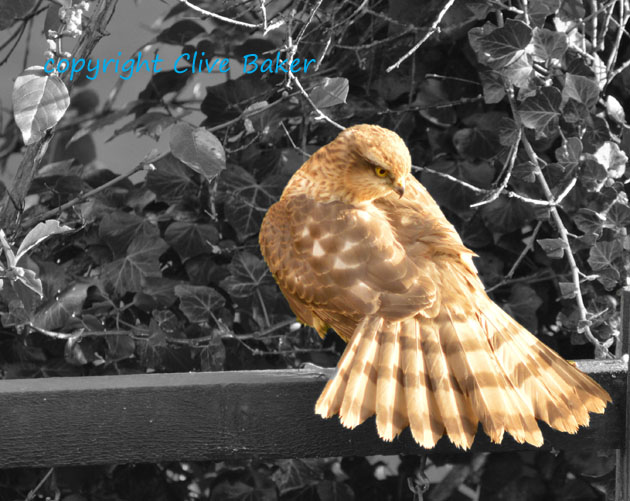
Sparrowhawk preening

Sparrowhawk waiting on our garden birdfeeders

Wildlife can surprise you

I am never surprised as to what can turn up where as far as wildlife is concerned, I have seen foxes in the centre of Cambridge, caught Badgers on my camera trap also in the centre of Cambridge, but this morning on my way to work it was not the fact I saw a Grey Heron in Cambridge, but the fact there were three sitting together on the cross bar of a goal on a football pitch, of course I did not have my camera to hand, which is always the case when you see something like this, so here is a photo of a Grey Heron from May along the river Ouse.

Heron in flight

Grey Heron in flight along the river Ouse, Ely.

First Swan talk of the season

This Saturday saw my first swan talk of the season at WWT Welney

Family of Whooper Swans

Whooper swans at Welney, Norfolk

WWT Welney And the the first family groups  of whoopers have started to arrive.

There are around 800 swans there now and numbers will increase over the next few days, the young swans like the ones above will have flown 1200 miles to get to Welney and they are only a few months old, 500 miles of their flight will have been over open sea non stop.

Pair of Whooper swans feeding

Whooper swans at Welney, Norfolk

The small Bewick swan will fly in from Siberia having flown a total distance of 2,500 miles, but as yet only 8 birds have been seen in the area but we know there are 1,000 birds in the Netherlands.

You can tell by the yellow bill pattern which is a Whooper and which is a Bewick swan.

The yellow on a Whooper is pointed like a ‘Wedge of cheese’ and extends beyond the nostril as seen in the photograph above, on a Bewick the yellow is rounded like a ‘Blob of Butter’ and does not extend beyond the nostrils.

I shall be doing my swan talk and feeds at Welney now most Saturdays and as yet the water levels are down but all too soon I am sure the floating wheelbarrow will be out.